Home » Import Agent Services » Importing French Wine: A Comprehensive Guide to Customs Declaration - How Foreign Trade Agents Ensure Compliance and Efficiency
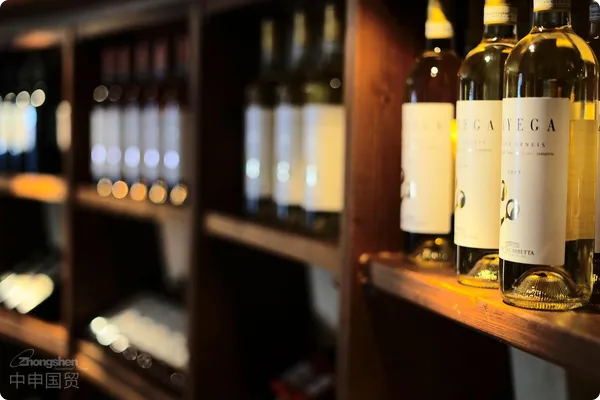
I. Opportunities and Challenges of French Wine Import under the New Situation of International Trade
In recent years, Sino-French economic and trade cooperation has continued to deepen. In 2023, the bilateral trade volume between China and France exceeded 80 billion euros, with food and wine accounting for more than 15% of the total. As the world's largest wine exporter (according to OIV data, its export volume reached 1.25 billion liters in 2022), France, leveraging its AOC and IGP appellation systems, has maintained a market share of over 35% in China's imported wine market. However, opportunities come with challenges: the EU's "New Food Regulation" (EU 2019/1381) has strengthened the traceability requirements for alcoholic beverages, while China's customs authorities have implemented a three-in-one supervision system of "document review + inspection + sampling" for imported food products, compounded with other regulatory measures.Maritime transportThe price fluctuations (the FCL freight rates for Asia-Europe routes in 2023 dropped by 40% compared to the peak in 2021, but are still higher than before the pandemic) mean that small and medium-sized importers who operate independently are prone to risks such as missing documents, customs clearance delays, and excessive tax and fee payments. Therefore, it is necessary to cooperate with professional logistics companies to reduce these risks and ensure the smooth progress of import operations.foreign tradeThe full-process support from the agent has become crucial.
II. The core of customs declaration for imported French wine: full-process control of the single document system
The "lifeline" of customs clearance lies in the compliance of documents, and the professional competence of foreign trade agents is primarily reflected in the review and management of documents. According to the "Regulations on the Registration and Management of Foreign Production Enterprises of Imported Food in the People's Republic of China", the following core documents are required for importing French red wine:
- Official certificates:Origin Certificate(The OIV certification number must be indicated), EU health certificate (issued by the French DGCCRF, which must match the HS code 2204210000 [small packaged fresh grape-made wine]), and free sale certificate (proving that the product complies with local French sales standards);
- Business documents: Bill of Lading (B/L, note the time difference between "electronic release" and "original document"), Commercial Invoice (CI, which should reflect the FOB Marseille price or CIF Shanghai price, and?L/C?(1) Packing list (in English, consistent with the terms of the contract); (2) Packing list (in Polish, specifying the number of bottles per box and the capacity of each bottle);
- Technical documents: Ingredient analysis report (including indicators such as alcohol content, total sugar, and sulfur dioxide), proof of bottling date (which must correspond to the "production date" indicated on the Chinese label), and proof of oak barrel aging (if applicable to AOC-level red wine).
The agent team needs to intervene in the pre-review of documents 30 days in advance. For example, they need to check whether the "exporter's name" on the certificate of origin is consistent with the shipper's name on the bill of lading, and whether the "product description" on the health certificate includes keywords such as "red wine (VIN ROUGE)" to avoid customs rejecting the documents due to "document mismatch" (according to the 2023 data from Shanghai Customs, 32% of the cases of imported food being detained in port are due to document errors).
III. Logistics Management: Optimizing the Multimodal Transportation from Bordeaux to Chinese Ports
The logistics of French wine needs to balance efficiency and quality assurance. The logistics coordination ability of foreign trade agents directly affects the port costs and the condition of the goods. Regarding the choice of transportation methods:
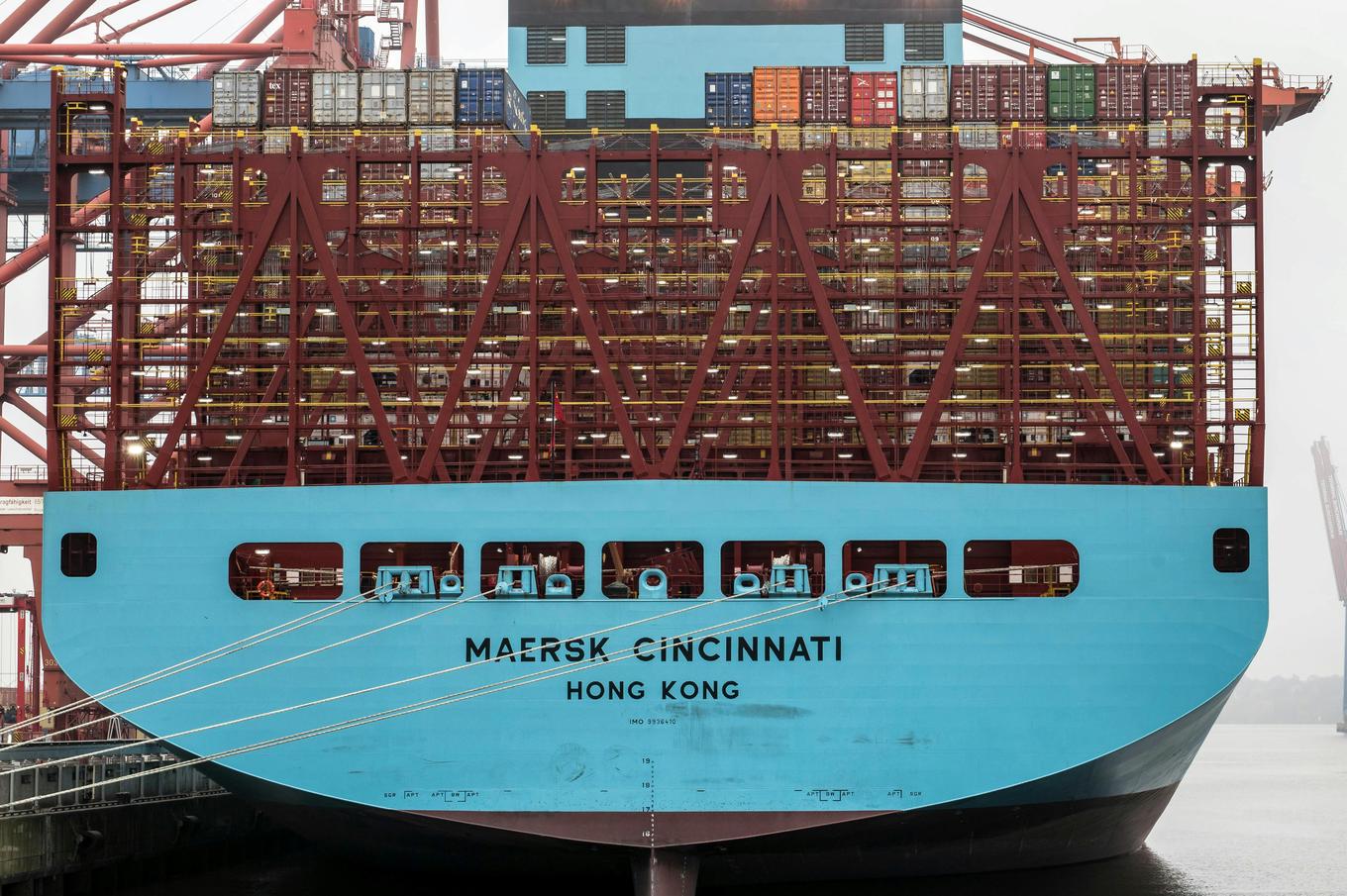
- Sea freight (mainstream option): Full container load (FCL) is suitable for orders of more than 2,000 bottles, and professional temperature-controlled containers (with a temperature control range of 12-14°C) can be rented. The shipping time from Marseille Port to Shanghai Yangshan Port is approximately 35 days, and the ocean freight fee is around US$3,500-4,500 per 20-foot container. Less than container load (LCL) is suitable for small quantities, but attention should be paid to the "unboxing fee" (about US$200-300 per cubic meter) at the destination port.
- Air freight: This service is only applicable to high-end wines (such as the 1855 classified growths of Bordeaux). The air freight from Marseille to Shanghai takes about 5 days, with a shipping fee of approximately 8-12 USD/kg (including cold chain handling fees), but additional insurance coverage for "all risks of air transportation" (with a premium rate of approximately 0.3%) is required.
The agency team will formulate a plan based on the value of the goods, delivery time, and customer requirements. For example, for a client's order of 2,000 cases of red wine from the Pauillac region, they selected FCL transportation from Marseille Port to Shanghai Yangshan Port, coordinated with the shipping company to provide "cold-cargo-dry" services (transporting non-frozen goods in refrigerated containers) to reduce the risk of temperature fluctuations. At the same time, by leveraging the AEO certification (Advanced Economic Operator, a high-level customs certification), the client enjoyed "priority inspection" benefits, enabling their goods to be delivered within 48 hours from arrival (compared to the usual 72-96 hours).
IV. Compliance and Risk Management: Professional Practices in Customs Declaration and Tax Planning
The core of the customs declaration process is "accurate classification, truthful declaration, and compliance with tax and fee regulations". The HS code 2204210000 corresponds to "small packaged (≤2 liters) fresh grape-based wine". When declaring, it is necessary to accurately fill in 10 elements, including "product name (e.g., 'Lafite Rothschild Bordeaux Red')", "brand (CHATEAU LAFITE ROTHSCHILD)", "production region (BORDEAUX)", "alcohol content (13.5% vol.)", and "packaging specifications (750ml × 6 bottles/box)". One common point of dispute in customs valuation is that if the buyer and seller have a related relationship (e.g., the domestic importer is a subsidiary of the French winery), they need to provide proof of "comparable uncontrolled prices" (such as purchase contracts of the same period from third-party distributors) to avoid being questioned by customs about "underreporting prices".
In terms of tax calculation, the comprehensive tax rate = (1 + tariff rate) × (1 + VAT rate) / (1 - consumption tax rate) - 1. Taking French wine as an example: tariff rate 14%, VAT rate 13%, consumption tax rate 10%, the comprehensive tax rate is approximately 38.04% (1.14 × 1.13 / 0.9 - 1). The agency team can reduce tax risks through "preliminary classification consultation" (submitting product information to the customs to obtain code confirmation) and "price negotiation" (reaching an agreement with the customs on the customs value). A client once avoided a 5% tariff difference (about 80,000 yuan in additional costs) due to a misclassified HS code (using the wrong code 2204290000) because the agency coordinated with the customs to complete the preliminary classification in advance.
5. Extended services: VTB in the transit business with RussiaConvert foreign exchange into RMBAdvantages
For clients with a need to re-export goods to Russia, agents can leverage the advantages of their cooperation with VTB Bank. However, due to the impact of the international situation, Russian companies are unable to use the SWIFT system.?Forex Settlement?Limitedly, through the "RMB-Ruble" direct settlement channel of VTB Bank, the following can be achieved:
- The efficiency of foreign exchange settlement has been improved: The time it takes for cross-border wire transfers to arrive has been shortened from 7-10 days to 2-3 days.
- The exchange rate conversion cost has been reduced.: Bypassing the US dollar as the intermediary currency, we can reduce the exchange rate difference losses by 1-2%.
- Compliance guarantee: As a systemically important bank in Russia, VTB's settlement process complies with the framework of the China-Russia Joint Declaration on Deepening Comprehensive Strategic Partnership of Coordination in the New Era.
A client completed a 500,000 euro transit settlement to Russia through this channel, saving 32,000 yuan in exchange costs compared to the traditional route, and there were no payment delays caused by SWIFT interception.
VI. Customer Notice: Certification Requirements and the Boundaries of Agency Services
Please note: The agent does not directly handle product certification, but will assist clients in preparing the necessary materials and provide guidance on key milestones during the process.
- Importer registration: It is necessary to declare the imported food at the General Administration of CustomsCosmeticsThe "Importer Registration System" completes the registration (with a 13-digit registration number), and the agent can assist in organizing materials such as the business license and the food business license;
- Chinese label filing: It must comply with GB 7718-2011, "General Principles for the Labeling of Prepackaged Foods". The label must include elements such as "country of origin (France), distributor's name and address, alcohol content (13.5% vol.), and production date (see bottle cap)". The agent can provide label design review services (e.g., avoiding prohibited expressions such as "best before date").
- alcohol distribution record: Some provinces and cities (such as Beijing and Guangdong) require importers to obtain the "Liquor Circulation Registration Form", and the agent will provide details of the specific requirements from the local commerce department.
VII. Value of the full-process agency service: closed-loop management from consultation to delivery
The value of professional agency services extends throughout the entire import process:
- Customer Consultation Phase: Diagnosing requirements (such as whether organic-certified wine is needed, and cold-chain transportation requirements), and evaluating suppliers' qualifications (verifying French wineries' AOC certification and IBW [International Wine and Spirits Research Institute] membership).
- Negotiation and Contract Signing Stage: Assist in determining trade terms (recommended CIF Shanghai, with the agent controlling the transportation risk), payment methods (letter of credit L/C or T/T with a 30% prepayment), and review the "return-shipment clauses for non-conforming quality" in the contract.
- Logistics Management Stage: Provide a shipping schedule (such as the weekly service routes of CMA CGM) and track changes in EBS (Emergency Bunker Surcharge) and BAF (Currency Adjustment Fee). Notify clients in advance of the risk of surcharge increases.
- Delivery and Distribution Phase: Connect with domestic cold chain logistics (such as JD Logistics' "warehouse-to-door" integrated service) to provide "door-to-door" delivery (with temperature monitoring records that can be traced back).
- Summary and Feedback Stage: Output an "Import Execution Report" that includes key data such as customs clearance efficiency (average of 5.2 days), tax and fee ratio (38% of the goods value), and loss rate (0.3%), to help clients optimize their subsequent procurement plans.
Conclusion: Importing French wine is a double challenge requiring both professional expertise and meticulous attention to detail. By selecting a foreign trade agent with capabilities in document processing, logistics optimization, and compliance risk management, businesses can not only avoid overt risks such as port delays and product returns, but also leverage cost control and efficiency improvements to transform "import trade" into a core competitive advantage for their enterprises.
Tags: HS Code · France Import & Export · Customs · Customs clearance · Imported red wine · Detailed Explanation of Announcement No. 30 of the General Administration of Customs in 2024: Adjustment Requirements for Import and Export Cargo Declaration Forms, Covering Weight Reporting Updates and Simplification of Declaration Items.
Related recommendations





 簡體中文
簡體中文  English
  Русский
  日本語
日本語  Espa?ol de México
  ???
???