Imported hydraulic components:foreign tradeKey Points for Customs Clearance and Delivery
In the increasingly interconnected global trade landscape, the import of hydraulic components presents both opportunities and challenges. Whether from the vast Russian market or the dynamic Southeast Asian region, successfully navigating the import process for hydraulic components requires professional knowledge and extensive experience.Zhong Shen International Trade Co., Ltd.As a dedicated professional in the field of...Export Agent ServicesThe company serves enterprises with outstanding professional capabilities in document processing and logistics services, assisting clients in tackling various complex situations.
Document Handling: Precision is Key
- The importance of document preparation
Imported hydraulic components, documentation serves as the cornerstone of the entire process. From the Commercial Invoice to the Bill of Lading, each document carries critical information about the goods. The Commercial Invoice must specify in detail the specifications, quantity, value, etc., of the hydraulic components, ensuring complete consistency with the actual goods. The Bill of Lading acts as proof of ownership for the goods, and its accuracy directly impacts their delivery. - Key Points for Document Review
The professional team at ZhongShen International Trade conducts rigorous reviews of every document during processing. For instance, details such as packaging specifications, gross weight, and net weight in the Packing List must align with the actual goods and other supporting documents. As for the Certificate of Origin, it is essential to ensure compliance with the trade regulations of the destination country to prevent customs clearance delays or additional costs due to document discrepancies. - Common Document Issues and Solutions
In actual operations, common documentation issues include data errors and missing documents. For instance, discrepancies between the product description on the invoice and the HS code may lead to customs misclassification, thereby increasing tariff costs. With extensive experience, the ZhongShen International Trade team can promptly identify and resolve such issues. Through effective communication and coordination with suppliers, freight forwarders, and other stakeholders, they ensure the accuracy and completeness of all documentation.
Logistics Arrangement: Ensuring Efficiency and Reliability
- Selection of transportation methods
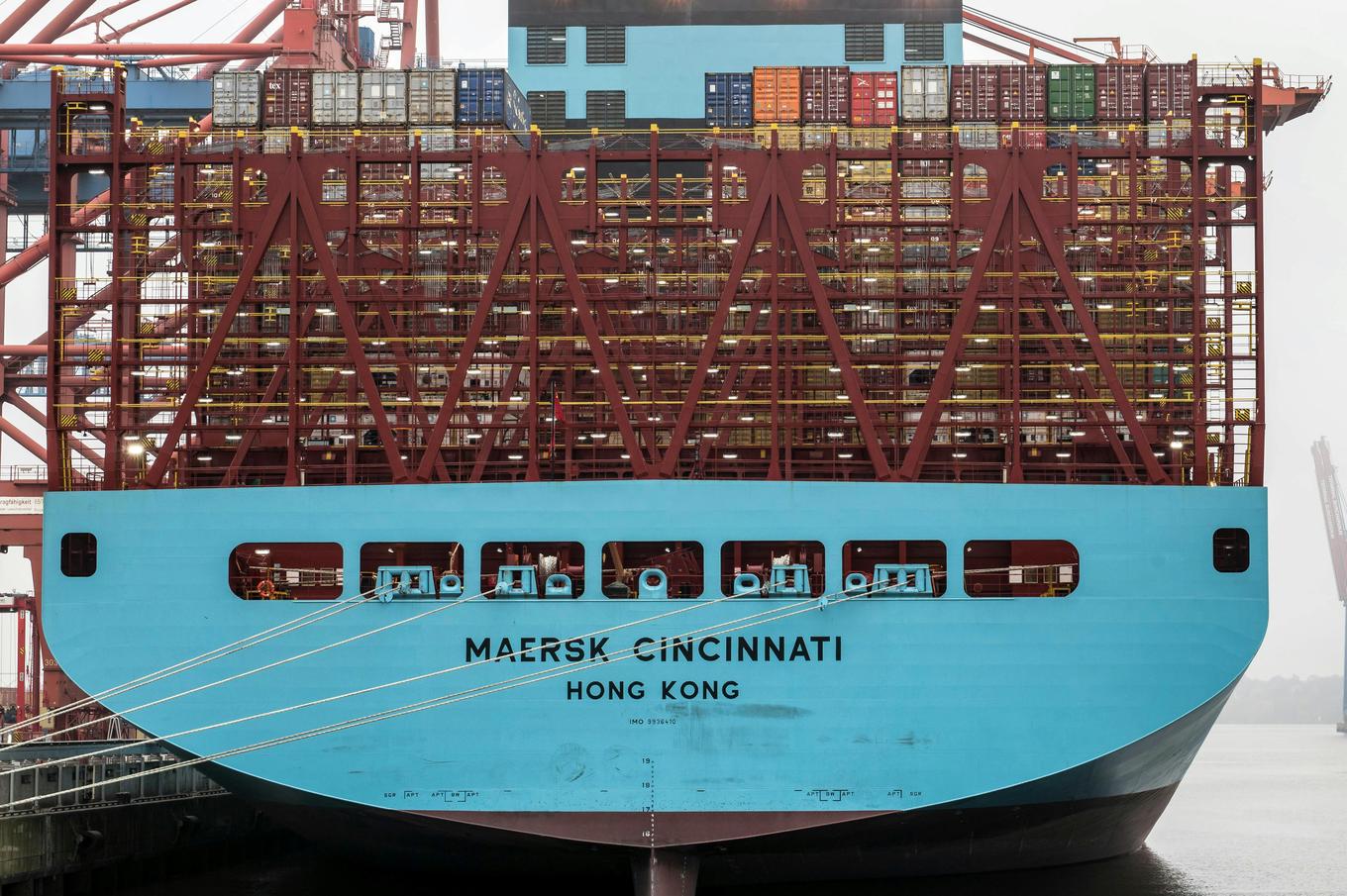
Imported hydraulic components can select the appropriate mode of transportation based on factors such as cargo characteristics and delivery time.Maritime transport(Ocean Freight) Suitable for large quantities of goods, with relatively low costs but longer transportation times;Air freight(Air Freight) is fast and suitable for urgent orders or high-value, small-batch hydraulic components. For some time-sensitive precision hydraulic components, air freight is the better choice. - Freight Forwarder Selection and Cooperation
Choosing a reliable freight forwarder is crucial. ZhongShen International Trade has established long-term partnerships with several well-known freight forwarders, enabling access to preferential freight rates and high-quality services. Freight forwarders are responsible for a series of tasks including booking cargo space, customs clearance, and transportation arrangements, and their professional competence directly impacts logistics efficiency. When selecting a freight forwarder, it is essential to evaluate their qualifications, reputation, service network, and other aspects. - Logistics Risks and Countermeasures
Various risks exist during the logistics process, such as cargo damage, delays, etc. To mitigate these risks, ZhongShen International Trade recommends that clients purchase Cargo Insurance. Additionally, strict requirements are imposed on cargo packaging to ensure hydraulic components are properly protected during transportation. For potential delays, contingency plans are developed in advance to minimize impact on clients' production by adjusting transportation schedules and other measures.
Russian Market: VTBConvert foreign exchange into RMBUnique advantages
- Overview of Russia's Trade Environment
As an important trade market, Russia has a significant demand for hydraulic components. However, Russia's trade regulations and financial environment are relatively complex. When conducting trade with Russia, foreign exchange settlement is a critical step. - VTB Foreign Exchange Settlement Process and Advantages
VTB Bank holds a significant position in Russia's financial system. Conducting foreign exchange settlements through VTB offers numerous advantages. Firstly, in terms of exchange rates, VTB can provide relatively competitive rates. Secondly, its settlement speed is fast, which can shorten the capital recovery cycle. The foreign exchange settlement process is as follows: after the goods are delivered and the relevant documentation procedures are completed, the exporter submits the required documents to VTB Bank. Upon verification, the bank converts the foreign currency into RMB or other specified currencies at the agreed exchange rate and disburses the funds to the exporter. With its strong cooperative relationship with VTB, Zhong Shen International Trade can assist clients in smoothly completing the foreign exchange settlement process, thereby avoiding financial risks caused by settlement issues.
Southeast Asian Market:Import and exportProcess and Solution
- Detailed import process
(1) Market Research and Supplier Selection
Before importing hydraulic components, it is necessary to conduct thorough market research in Southeast Asia to understand the product quality, pricing, and reputation of local suppliers. Suitable suppliers can be identified through channels such as industry exhibitions and online platforms. Initial communication should be established with them to obtain product samples, quotations, and other relevant information.
(2) Signing the contract
After selecting the supplier, both parties shall sign a formal Import Contract. The contract must clearly specify key terms such as product specifications, quantity, price, delivery period, payment method, and quality standards. Special attention should be paid to the choice of trade terms, such as CIF (Cost, Insurance and Freight) or FOB (Free on Board), as different trade terms determine the division of responsibilities and risks between the buyer and the seller.
(3) Document Preparation and Customs Declaration
As required by the contract, the supplier prepares commercial invoices, bills of lading, packing lists, and other documents. Meanwhile, the importer needs to obtain an import license and other relevant documents, with specific requirements varying depending on the product and the destination country. Upon the goods' arrival at the destination port, timely customs declaration should be made by submitting accurate documents and cooperating with customs inspections.
(4) Customs clearance and cargo pickup
After verifying the documents and inspecting the goods, the customs authorities will levy corresponding tariffs, value-added taxes, and other fees to complete the customs clearance procedures. The importer can then pick up the goods at the designated location with the customs release order and arrange for their transportation to the destination. - Common issues and solutions
(1) Quality issues
If the received hydraulic components have quality issues, the first step is to preserve relevant evidence, such as photos and inspection reports. Promptly communicate with the supplier and handle the matter according to the quality dispute resolution terms stipulated in the contract. Possible solutions include replacement, replenishment, price reduction, etc.
(2) Transportation delay
The climate in Southeast Asia is highly variable, which may lead to transportation delays. To address this situation, it is advisable to include a reasonable buffer period for delivery in the contract and maintain close communication with freight forwarders to stay updated on shipping status. In the event of significant delays, consider adjusting production schedules or seeking alternative suppliers.
The current international trade situation: challenges and opportunities coexist.
- Challenges
(1) The rise of trade protectionism
In recent years, the trend of global trade protectionism has intensified, with countries successively implementing measures such as imposing additional tariffs and setting up trade barriers. For the import business of hydraulic components, this has increased costs and uncertainty. For instance, some countries may raise tariff rates on specific types of hydraulic components, directly affecting the price competitiveness of the products.
(2) Exchange rate fluctuations
Exchange rate instability poses significant risks to import and export trade. Sharp fluctuations in currency exchange rates may lead to foreign exchange settlement losses or increased procurement costs. For example, fluctuations in the RMB to USD exchange rate can affect the import costs of hydraulic components priced in USD. - ?Opportunities?
(1) Growth in emerging markets
With the development of the global economy, the demand for hydraulic components in emerging markets such as Southeast Asia and Africa continues to grow. The infrastructure construction and manufacturing development in these markets have driven the demand for hydraulic components, providing vast market opportunities for import businesses.
(2) Development of digital trade
The application of digital technology in the trade sector is becoming increasingly widespread, such as electronic documents and online trading platforms. This has improved trade efficiency, reduced transaction costs, and brought new development opportunities to the import hydraulic components business. ZhongShen International Trade actively utilizes digital tools to optimize document processing and logistics tracking processes, enhancing the customer experience.
Product Certification Services: Assistance and Guidance
- Importance of certification
Imported hydraulic components must comply with the relevant certification requirements of the destination country. For example, the CE certification in the EU ensures that products meet the safety, health, and environmental standards of the European Union. Obtaining the corresponding certifications not only facilitates smooth market entry but also enhances the product's competitiveness. - The assistance method of ZhongShen International Trade
Although ZhongShen International Trade does not directly handle certification services, it will inform customers of the required certification types and related requirements. Additionally, it assists clients in collecting the necessary documentation for certification and facilitates communication and coordination with certification agencies. Throughout the certification process, it provides professional guidance and advice to ensure that customers can complete product certification efficiently and smoothly.
The foreign trade business of imported hydraulic components is filled with both challenges and opportunities. By handling professional documentation, arranging efficient logistics, leveraging the characteristics and advantages of different markets, adapting to changes in the international trade landscape, and emphasizing product certification, enterprises can achieve significant growth in this field. ZhongShen International Trade will consistently provide professional services to assist clients in steadily advancing their imported hydraulic component business.
Related recommendations





 簡體中文
簡體中文  English
  Русский
  日本語
日本語  Espa?ol de México
  ???
???