Home » Import Agent Services » Guidelines for the Full Process of Customs Clearance for Imported Swiss Biscuits: Analysis of Documentation, Logistics, and Compliance Requirements
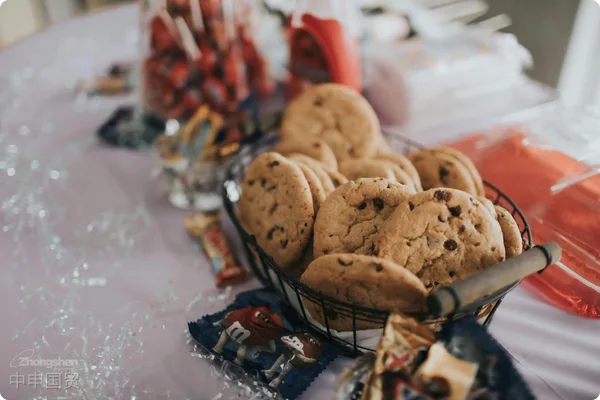
I. Opportunities and Challenges of Swiss Cookie Import in the Current International Trade Situation
In recent years, the China-Switzerland Free Trade Agreement (CHFTA) has continued to deepen, with Swiss import tariffs on food products decreasing year by year. Since 2023, most baked goods have achieved zero tariffs, creating a policy dividend for Swiss biscuits to enter the Chinese market. However, fluctuations in the global supply chain, such as port congestion, have posed challenges to the smooth flow of goods.Maritime transportThe price fluctuations and China's strict supervision of imported food (GB 7100-2015 "National Food Safety Standard for Biscuits") have also placed higher demands on customs clearance efficiency and compliance.Zhong Shen International Trade Co., Ltd.As a professionalforeign tradeThe agent, leveraging 15 years of experience in importing food products, accurately grasps the latest policy trends and helps clients avoid risks while seizing opportunities by optimizing document and logistics solutions.
II. The core of customs clearance for imported Swiss cookies: professional barriers in document processing
Document compliance is the "cornerstone" of successful customs clearance. With over 2,000 cases of food import document review experience, Zhong Shen International Trade Co., Ltd. has summarized seven core documents that need to be paid special attention to when importing Swiss cookies:
- Origin Certificate明(Form S): According to the China-Switzerland Free Trade Agreement, the certificate must be issued by the Swiss customs or an authorized agency, stating that the goods are "entirely obtained or produced", and consistent with the information on the bill of lading and commercial invoice. Otherwise, the zero tariff concessions cannot be enjoyed.
- Health Certificate: It must be issued by the Swiss Federal Food Safety and Veterinary Office (FSVO), which clearly states that the product's raw materials and additives (such as leavening agents and preservatives) comply with the Chinese GB 2760-2014 standard, to avoid the product being returned due to excessive additives.
- Ingredient/Nutritional Ingredient Analysis Report: It is necessary to include 10 core nutritional data such as energy, protein, and fat, and the testing institutions must be recognized by the China National Certification and Accreditation Administration (CNCA) (such as SGS and Intertek). Otherwise, the products need to be re-tested domestically, which will prolong the customs clearance period.
- Chinese label sample: It is necessary to register with the customs in advance and label 20 elements including "Country of origin: Switzerland", "Information of domestic agents", "Production date/Shelf life", etc. The font height should be no less than 1.8mm to avoid being required to make rectifications due to non-compliant labels.
- Bill of Lading: If you choose sea freight, you need to confirm whether it is a "clean bill of lading" (without any notes on damage to the goods).Air freightIn this case, it is necessary to check the consistency between the master airwaybill (Master AWB) and the house airwaybill (House AWB) to ensure that the ownership of the goods is clearly defined.
- Imported Food Consignee Registration Certificate: Before importing, enterprises need to complete the registration process through the "Internet + Customs" platform. Zhong Shen can assist clients in preparing materials such as business licenses and food business licenses, thereby shortening the registration time.
- Commercial invoice and packing list: It is necessary to specify the HS code of the goods (usually 1905.3100 "Sweet Biscuits" or 1905.3200 "Waffle Biscuits"), the unit price, and the total amount (which should be consistent with the payment amount) to avoid triggering a customs valuation due to "under-reporting prices".
III. Logistics Management: Full-chain control from the Swiss factory to the Chinese warehouse
Logistics efficiency directly affects the turnover of goods and costs. Zhong Shen International Trade Co., Ltd. provides "customized transportation solutions" based on customers' needs:
- Small batch high-efficiency demand: It is recommended to choose air freight (Zurich → Shanghai/Beijing) and opt for direct flights operated by SWISS or Air China. The entire transportation process will be maintained at a controlled temperature of 20-25°C. By adopting the "pre-declaration" mode, the customs clearance time can be reduced to 3-5 working days.
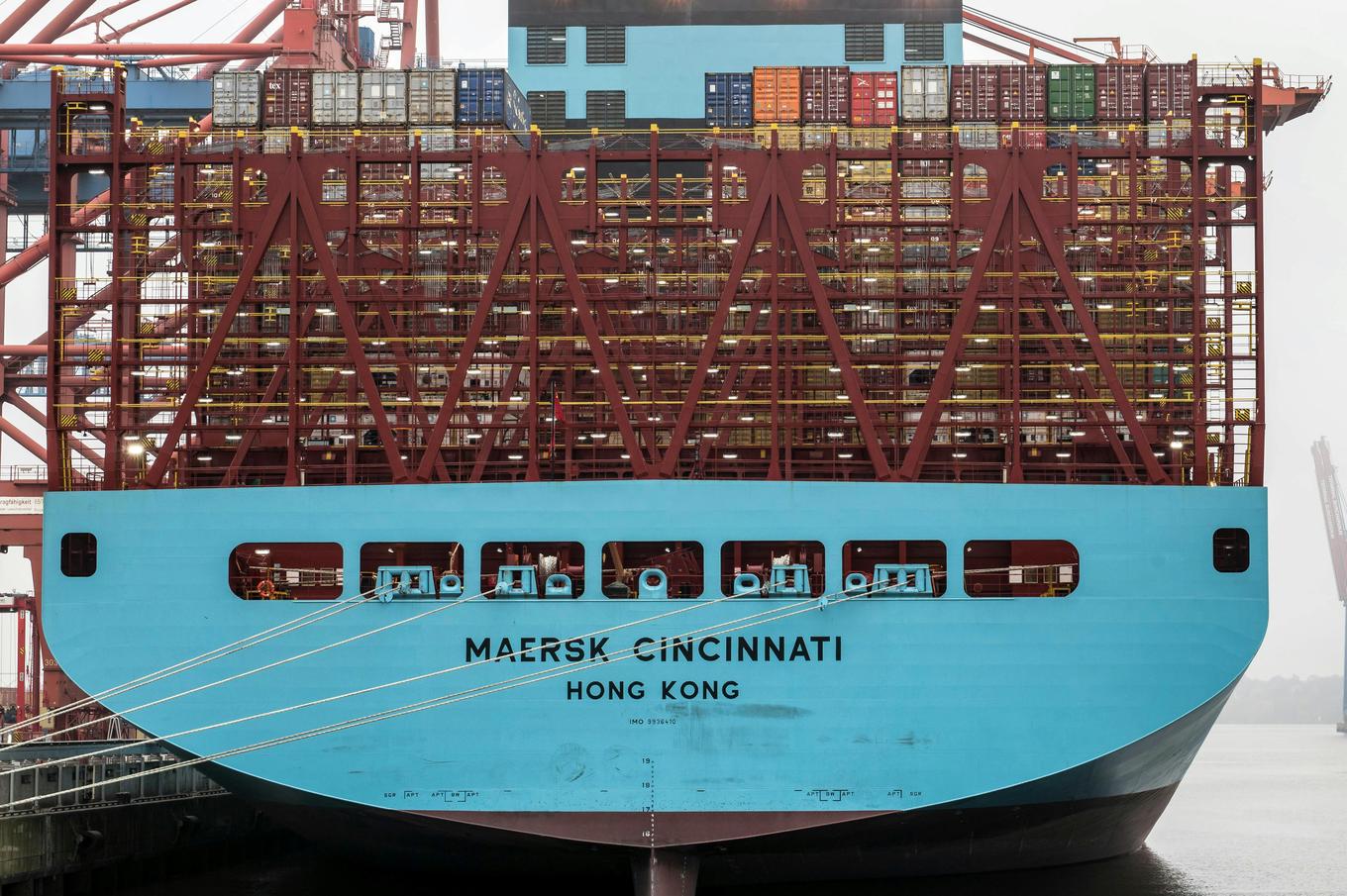
- High-volume orders with a priority on cost-effectiveness: Choose full container load (FCL) or less-than-container load (LCL) shipping, with transshipment via Rotterdam/Hamburg to major Chinese ports (Yangshan Port in Shanghai, Meishan Port in Ningbo). To mitigate the risk of shipping delays, Zhong Shen has established long-term partnerships with shipping companies such as MSC and Maersk, allowing it to secure shipping space and receive advance warnings of schedule changes. Additionally, we offer "All Risks" insurance coverage to protect against losses such as damage or moisture exposure during transit.
- Domestic distribution: After customs clearance is completed, we provide "door-to-door" services through our own logistics network or third-party partners (such as JD Logistics and SF Express Cold Chain), supporting B2B (supermarkets and distributors) or B2C (e-commerce platforms) distribution, ensuring that the "last mile" is controllable.
IV. Expansion of Business with Russia: VTBConvert foreign exchange into RMBAdvantages Facilitate Cross-Border Settlement
If a client imports Swiss biscuits and involves re-exporting to Russia or making settlements, the in-depth cooperation between Zhong Shen and VTB Bank can significantly improve the efficiency of foreign exchange settlement:
- Settlement Timeliness: Through VTB's "China-Russia Local Currency Settlement Channel", T/T payments can be settled within 1-2 working days (while traditional agents require 3-5 days), thereby reducing the risk of exchange rate fluctuations.
- Compliance guarantee: As a systemically important bank in Russia, VTB is familiar with the OFAC (Office of Foreign Assets Control of the US Treasury) sanctions list. Zhong Shen can assist clients in reviewing the qualifications of their trading partners to avoid triggering compliance issues due to "sensitive countries".
- Professional support: The cross-border wire transfer fees charged by VTB are 15%-20% lower than those of major international banks, and it supports direct RMB-ruble exchange, which reduces the fees charged by intermediary banks.
5. Compliance Notice: Certifications and Precautions That Need to Be Prepared by the Client Himself
Zhong Shen does not provide product certification services, but we would like to remind our clients to prepare the following items in advance:
- Registration of Overseas Food Production Enterprises for Import: Swiss biscuit manufacturers need to complete the registration on the "Imported Food Overseas Production Enterprises Registration Management System" of the General Administration of Customs (with a registration number starting with "CH"), and they can apply for registration with the assistance of Swiss official institutions (such as the Swiss Trade Promotion Center).
- Additive Compliance: If the biscuits contain ingredients such as chocolate and nuts, additional allergen labels (e.g., "contains milk, nuts") are required, and they must comply with GB 28050-2011 "General Guidelines for Nutrition Labeling of Prepackaged Foods".
- Special regulatory requirements: If cookies are added with functional ingredients (such as probiotics), it is necessary to confirm whether they belong to the category of "health foods", and an additional "Blue Hat" approval from the State Administration for Market Regulation (SAMR) is required.
VI.Import Agent ServicesFull process: Professional service nodes of Zhong Shen
Based on 10 years of practical experience, Zhongshen has refined the import process of Swiss cookies into 9 key stages, ensuring that every step is manageable.
- Client Consultation: Determine the type of cookies (crispy/chewy), packaging specifications (individual small packages/gift boxes), import volume (500kg/50 tons), and destination ports (Shanghai/Guangzhou). Assess whether they contain any special ingredients (such as alcohol or caffeine).
- Negotiation and Contract Signing: Review the "quality clauses" in the contract (e.g., a biscuit breakage rate of ≤3%), the "delivery period" (the production cycle of the Swiss factory is typically 45-60 days), and the "payment method" (recommended 30% prepayment + 70% upon receipt of the bill of lading copy, with priority given to VTB settlement for Russian business).
- Orders & Payment: Help clients open a letter of credit (L/C) through the bank.?L/C?) or arrange T/T payment; for large-value deals “foreign-exchange hedging” is advised to lock in the exchange-rate cost.
- Production supervision: If requested by the client, we can coordinate with a third-party inspection company (such as SGS) to issue a "Pre-shipment Inspection Report" (PSI) to ensure that the weight and flavor of the biscuits meet the contractual requirements.
- Logistics Management: Select the transportation method based on the cargo volume, track the cargo status (provide ship name/voyage number and flight number inquiry), and prepare the customs clearance documents 10 days in advance (e.g., if the certificate of origin is required, the Swiss side needs to apply for it 5 working days in advance).
- Customs Compliance: Through pre-declaration via the single window system, cooperate with customs inspection (if selected for inspection, assist in providing inspection reports and original packaging), calculate tariffs (0%) and value-added tax (13%) and pay on behalf of the importer, and obtain the "Inspection and Quarantine Certificate for Imported Goods".
- Delivery and Distribution: Within 24 hours after customs clearance, we will arrange for the container to be picked up and, based on the client's requirements, either distribute it to the warehouse (room-temperature warehouse/refrigerated warehouse) or deliver it directly to the end user (with support for JIT just-in-time delivery).
- Quality Assurance: Help customers unpack and inspect the goods. If any damage or spoilage is found, Zhong Shen can coordinate with the insurance company to assess the damage and handle the compensation (this must be done within 48 hours after receiving the goods).
- Summary Feedback: Provide the 《Import Customs ClearanceThe report (including the list of documents, cost breakdown, and delivery time analysis), settling the final payment, and establishing a client file for future cooperation.
Conclusion: Professional agents are the "guarantee of efficiency" for the import of Swiss biscuits.
The process of importing Swiss cookies may seem complicated, but the key lies in "document compliance," "logistics control," and "policy understanding." With 20 years of foreign trade agency experience, Zhong Shen International Trade Co., Ltd. has assisted more than 200 clients in efficiently completing Swiss food imports through standardized operating procedures, a global logistics network, and in-depth policy interpretation capabilities. Whether you are a first-time importer or a seasoned buyer seeking to expand your business to Russia, Zhong Shen can provide you with end-to-end professional support "from order placement to delivery," making customs clearance for Swiss cookies no longer a challenge.
Related recommendations





 簡(jiǎn)體中文
  English
  Русский
  日本語(yǔ)
  Espa?ol de México
  ???
???