Home»Import Agent Services» Importing Ventilation Equipment, How to Break Through Trade Barriers and Move Freely?
Introduction
On the grand stage of global trade, the business of importing ventilation equipment is full of both opportunities and many challenges. For many enterprises, how to smoothly introduce ventilation equipment into the domestic market in a complex international trade environment is an urgent problem to be solved. This article will analyze theforeign tradeImport and exportkey points of importing ventilation equipment from a professional perspective, especially focusing on document handling, logistics arrangements, market characteristics, and the international trade situation.
Professional document processing and logistics arrangement
Document handling is a crucial part of the process of importing ventilation equipment. From commercial invoices, bills of lading to packing lists, every document carries key information about the goods. Accurate documents are not only a guarantee for smooth customs clearance but also the basis for both trading parties to fulfill the contract. Our company has an experienced document handling team that is well-versed in the filling specifications and requirements of various trade documents. For example, the commercial invoice must detail the model, quantity, value, and other information of the ventilation equipment, and be completely consistent with the contract content. The bill of lading must ensure that the goods description is accurate and the consignee information is correct to avoid problems when picking up the goods at the destination port.
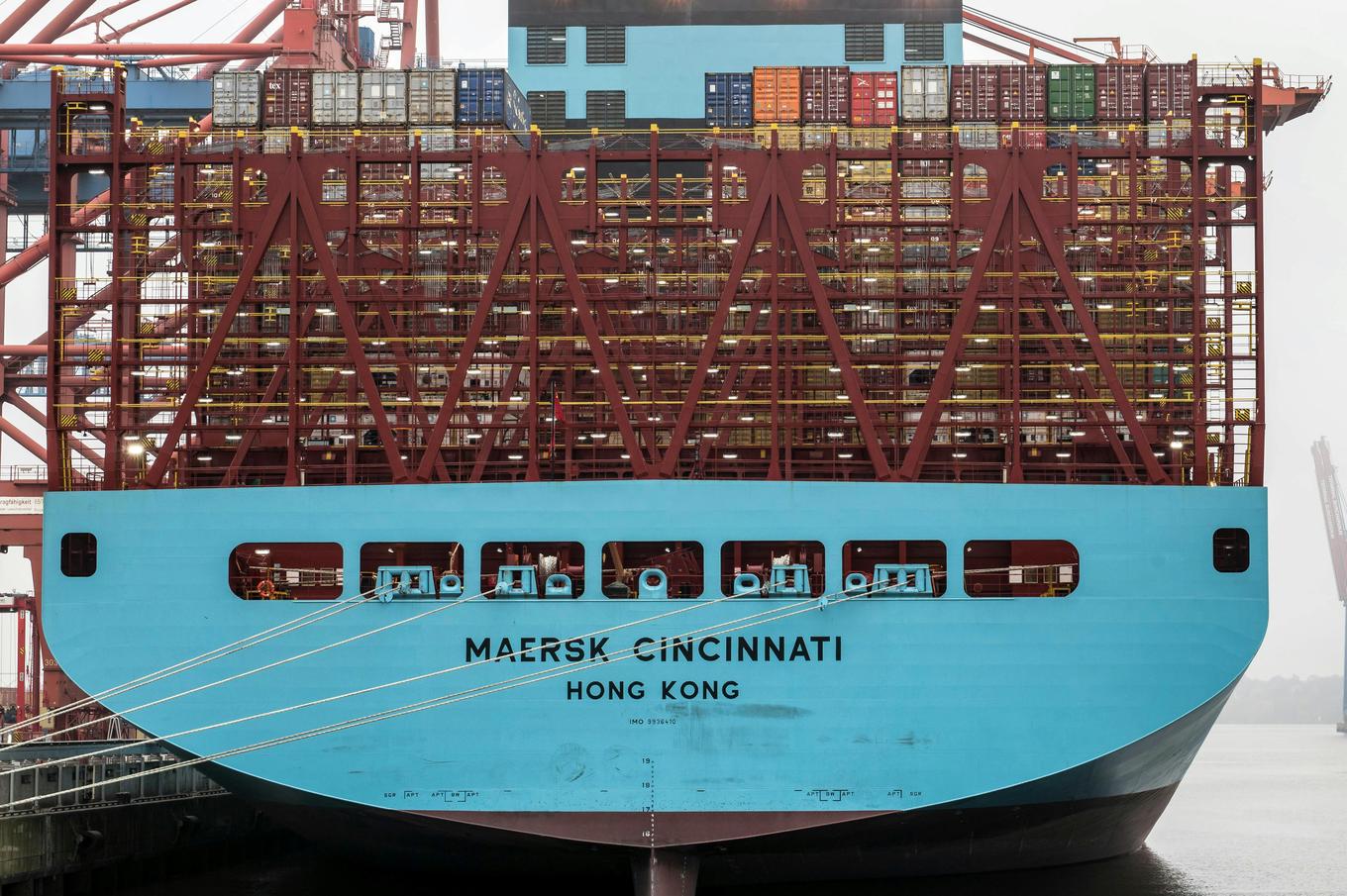
In terms of logistics arrangements, we will develop a personalized plan based on the characteristics and transport requirements of the ventilation equipment. If the quantity of goods is large and the volume is large, we usually chooseMaritime transport. Sea freight has the advantages of low cost and large transport capacity, but the transport time is relatively long. In this case, we will communicate with the shipping company in advance to book suitable space and ensure the goods are shipped on time. At the same time, for sensitive goods like ventilation equipment, it is necessary to do a good job of reinforcement and moisture-proofing to prevent damage during transport. If the goods are urgently needed in the market,Air freightis a better choice. Although air freight costs are higher, it is fast and can meet timeliness requirements. We maintain good cooperative relationships with multiple airlines and can quickly arrange flights to ensure rapid delivery of the goods.
As one of our important markets, Russia has its unique features in the business of importing ventilation equipment. Among them, the convenience of VTB settlement is a major advantage of our company. In trade with Russian clients, the settlement of exchange is often more complex. As an important financial institution in Russia, we have established a close cooperative relationship with VTB Bank. When it comes to importing ventilation equipment to Russia, the settlement process through the VTB channel is smoother.
Generally, the settlement process is as follows: after the goods are delivered and the documents are complete, the seller submits the relevant documents to us. We send payment instructions to the Russian buyer's bank through VTB Bank. After the buyer's bank verifies the documents are correct, the funds are paid to our account at VTB Bank. Compared to other channels, VTB settlement can reduce intermediate links, lower the risk of exchange rate fluctuations, and speed up the arrival of funds. This not only helps us establish long-term stable cooperative relationships with Russian clients but also provides strong financial support for the business of importing ventilation equipment.
Import and Export Procedures and Solutions for the Southeast Asian Market
The Southeast Asian market also holds an important position in the business of importing ventilation equipment. Its import and export processes have their own characteristics, which are detailed below.
Import Process
First is the inquiry and quotation. After receiving an inquiry for ventilation equipment from a Southeast Asian client, we must respond promptly and accurately, providing detailed product information, prices, delivery times, etc. This requires us to have a deep understanding of the specifications, performance, etc., of the ventilation equipment in order to provide suitable solutions according to the client's needs.
Next is the signing of the contract. The contract should clarify the rights and obligations of both parties, including key terms such as the quality, quantity, price, payment method, and delivery location of the goods. In the choice of trade terms, if the CIF (Cost, Insurance and Freight) term is adopted, we are responsible for transporting the goods to the designated destination port in Southeast Asia and bearing the insurance costs during transport. This can provide one-stop service for clients and reduce their worries.
Then comes the preparation of goods and booking of space. According to the contract requirements, organize the production and preparation of the ventilation equipment. At the same time, book space in advance according to the shipment time of the goods. In the Southeast Asian market, due to the large number of ports, the handling capacity and charging standards of different ports vary, so we must choose the appropriate port according to the actual situation.
After the goods are shipped, promptly prepare and submit the documents. In the Southeast Asian market, customs clearance requirements are relatively strict, and the documents must be complete and accurate. For example, aOrigin Certificatecertificate is an important document to prove the country of origin of the goods and is crucial for enjoying relevant preferential tariff policies. We will assist clients in preparing all kinds of documents to ensure smooth customs clearance.
Solution
In response to the problem of frequent changes in trade regulations in some Southeast Asian countries, we have established a regulation tracking mechanism to keep abreast of the latest developments. For example, some countries may introduce new requirements for the energy efficiency standards of ventilation equipment. We will notify clients in advance and assist them in finding products that meet the standards to avoid cargo detention or return due to non-compliance with regulations.
In terms of logistics and distribution, considering the large number of islands and inconvenient inland transport in the Southeast Asian region, we work closely with local logistics partners to optimize distribution routes and improve distribution efficiency. For some remote areas, we will use multimodal transport, such as sea and land transport combined, to ensure that the goods can be accurately delivered to the client.
Challenges and Opportunities in the Current International Trade Landscape
The current international trade situation is complex and ever-changing, which brings many challenges to the business of importing ventilation equipment. The rise of trade protectionism has led various countries to introduce various tariff and non-tariff barrier measures. For example, some countries have increased import tariffs on ventilation equipment, which increases import costs. At the same time, the uncertainty of trade policies also brings risks to the business, such as sudden changes in customs clearance requirements or certification standards, which may lead to goods not being able to clear customs on time.
However, challenges and opportunities coexist. With the gradual recovery of the global economy and the advancement of infrastructure construction, the demand for ventilation equipment is constantly growing. Especially in emerging markets, such as Southeast Asia and Russia, the pace of urbanization is accelerating, and the market potential for ventilation equipment is huge. In addition, the development of digital trade has provided us with new opportunities. Through e-commerce platforms, we can more conveniently communicate and transact with international clients, expand market channels, and reduce marketing costs.
Product Certification Services
When importing ventilation equipment, product certification is essential. Different countries and regions have different certification requirements for ventilation equipment. For example, the EU's CE certification is the passport for products entering the EU market, proving that the product complies with relevant EU directives and harmonized standards. In Russia, GOST certification is required to ensure that the product complies with Russian national standards.
Although our company does not directly handle certification, we will assist clients in understanding the type, process, and requirements of the needed certifications. We will provide information on relevant certification bodies and guide clients in preparing the materials required for certification. With our assistance, clients can complete the certification work more efficiently and ensure that the ventilation equipment can successfully enter the target market.
Conclusion
The business of importing ventilation equipment in a complex international trade environment requires professional knowledge and extensive experience. Whether it is document handling, logistics arrangements, or responding to the characteristics of different markets and changes in the international trade situation, careful planning is required. Our company, with its professional capabilities in document handling and logistics services, as well as its VTB settlement advantage in the Russian market and in-depth understanding of the Southeast Asian market, will provide strong support for your ventilation equipment import business, helping you succeed in global trade.






 簡(jiǎn)體中文
  English
  Русский
  日本語
日本語  Espa?ol de México
  ???
???