
PFAS Regulations: Global Impact & Corporate Strategy
or complex compliance issues.
clearance and fund security.
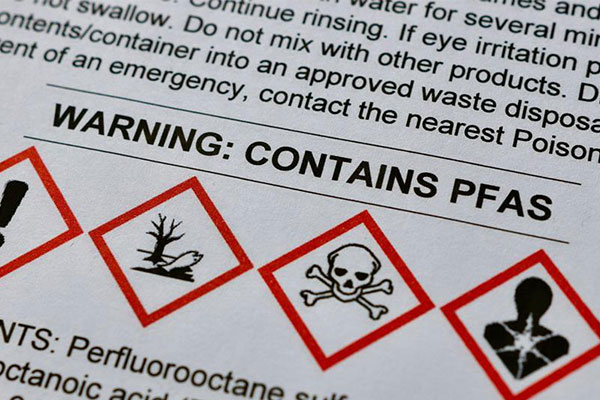
In todays market,environmental protection and public health issues are receiving unprecedented attention.In particular,a group of chemicals known as per- and polyfluoroalkyl substances (PFAS) have become a focal point for international regulators due to their persistence in the environment,bioaccumulation potential,and associated health risks.PFAS are widely used in products ranging from waterproof clothing and non-stick cookware coatings to semiconductors and circuit boards.However,as scientific evidence of their negative environmental and health impacts grows,regions like Europe,the U.S.the UK,and Japan are taking action by introducing regulations to restrict or ban PFAS use.
This article analyzes the progress and trends in PFAS restriction legislation across these regions,explores the potential impact of these legal changes on global supply chains,manufacturers,and consumers,and discusses how businesses can respond to ensure compliance and mitigate environmental harm.
I.Legislative Progress in the EU
Regulatory Background and Objectives
The European Commissions Chemicals Strategy for Sustainability (CSS) aims to phase out the most harmful chemicals,particularly PFAS,unless their use is proven essential.The EUs REACH (Registration,Evaluation,Authorisation and Restriction of Chemicals) and POPs (Persistent Organic Pollutants) regulations serve as the primary legal frameworks for PFAS management.
PFAS restrictions and exemptions
The use of PFOS has been included in the POP regulations and was updated in 2019,canceling most exceptions.PFOA and its derivatives are jointly regulated by REACH and POP regulations,with multiple exemptions until 2036.PFHxS was recently included in the POP regulations.In 2023,new restrictions were imposed on perfluorocarboxylic acids containing 9 to 14 carbon atoms.
Future Legislative Trends
Germany,the Netherlands,Denmark,Sweden,and Norway have submitted a proposal for a broad PFAS restriction,currently under review by the European Chemicals Agency (ECHA).The proposal aims to reduce PFAS in the environment and accelerate the transition to PFAS-free alternatives.
II.Legislative Progress in the UK
UK REACH and PFAS regulations
UK REACH was established post-Brexit,largely mirroring EU REACH regulations.Currently,the UKs PFAS regulations align closely with the EUs,though progress in PFAS regulation has been slower.
Regulatory Management Options Analysis
The UKs Health and Safety Executive (HSE) conducted a Regulatory Management Options Analysis (RMOA) on PFAS and plans to prioritize them as key substances for regulation.
Japanese PFAS Regulations
New Legislation
Japans Ministry of Economy,Trade and Industry (METI) issued a cabinet order designating perfluorohexanesulfonic acid (PFHxS) and its salts as specific chemical substances,prohibiting their use,manufacture,and import.
List of Prohibited Items
From June 1,2024,it will be prohibited to import ten categories of products containing PFHxS and its salts,including fire extinguishers,metal processing etching agents,waterproof or oil-resistant textiles,etc.
US PFAS Regulations
State-Level Legislation
Several states have passed laws prohibiting or restricting the intentional addition of PFAS in consumer products.These laws typically cover childrens products,cookware,textiles,furniture,etc.
Federal Actions
The U.S.Environmental Protection Agency (EPA) has begun taking action by requiring all PFAS manufacturers and importers to report detailed information about their products and chemicals to the EPA.Additionally,the EPA has restricted the production or import of certain long-chain PFAS substances.
V.Global Corporate Response Strategies
Regulatory Compliance: Businesses need to closely monitor updates and developments in PFAS legislation across regions to ensure compliance.
Alternative R&D: Enterprises are encouraged to invest in the research and development of PFAS - free or low - PFAS alternatives.
Supply Chain Management: Review and adjust supply chains to ensure raw materials and products do not contain prohibited PFAS substances.
Transparent Communication: Provide transparent information about product ingredients to consumers and regulatory agencies.
With the strengthening of PFAS legislation worldwide,businesses must adapt to the evolving regulatory environment to ensure their products comply with legal requirements in various countries.At the same time,finding and adopting PFAS alternatives will be key to reducing environmental and health risks and maintaining market competitiveness.
Was this helpful? Give us a like!
Contact our experts for compliance audits, precise quotes, and one-stop customs support.
Recent Comments (0) 0
Leave a Reply