
Meat Import Guide: Regulations, Procedures, and Compliance
or complex compliance issues.
clearance and fund security.
The import threshold for meat products is higher than general goods,with complex procedures and long cycles.All aspects are interconnected,and any missing or incorrect link affects the entire process.Below,we explain meatand operational procedures for clients.
Importing frozen meat requires the following qualifications:
Risk Management and Control for Imported Meat
Overseas meat producers exporting to China must meet China Customs evaluation requirements.
Imported meat products must be accompanied by health certificates and official quarantine certificates,with approved Chinese labels and compliant packaging.
Importers of meat products must complete registration and apply for import permits in advance.
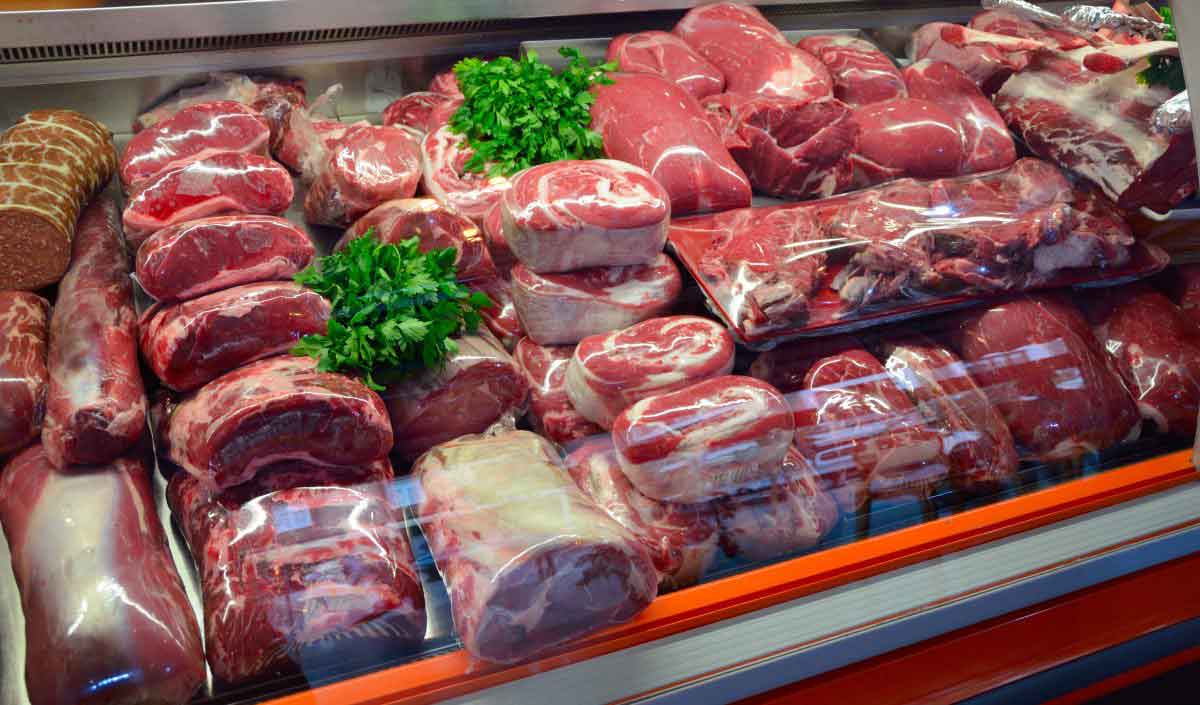
Customs Clearance and Quarantine for Imported Meat
Imported meat products shall enter through designated ports with specialized cold chain inspection and storage facilities,and be processed in centralized meat product departments.
2.Standardize the declaration of imported meat products,including product names,HS codes,quantities,weights,validity periods,storage conditions,etc.Submit relevant documents,record numbers,company registration numbers,etc.and declare with supporting documents proving the product value.
Cargo inspection will be conducted based on on-site verification and laboratory safety sampling.Upon meeting inspection requirements,an Entry Commodity Quarantine Certificate will be issued.
Cooperate with customs inspections and pay tariffs in accordance with laws.
Sales Supervision and Management for Imported Meat
Importing enterprises shall appoint food safety officers to supervise import sales records and retain customs inspection documents for no less than three years.
Establish an imported meat recall system to proactively recall and halt sales of products with safety risks or potential harm.Report to local product inspection authorities to prevent cross-border contamination and domestic disease spread.
Meat Import Process:
Receipt Note for Imported Meat Products by the Consignee
Complete importer and consignee registration applications,submit business licenses and company information.
2.And food business license holders
Establish an imported meat sales record system,non-compliant product traceability system,and strengthen food safety personnel responsibility management.Conduct imported meat transactions at designated ports.
Inventory List for Imported Meat
Verify whether the applicable animals or animal products are prohibited from entry,whether the exporting country/region has relevant animal epidemics,and compliance with Chinas animal quarantine laws and bilateral agreements (including quarantine agreements,protocols,and memoranda).
Confirm whether the documents required for importing animals,animal products,or permitted items are complete and valid.
Quarantine Inspection for Imported Meat
1.Imported meat must first undergo inspection and quarantine,and provide the registration number,animal and plant quarantine license,and inspection and quarantine approval letter.
Trade contracts,packing lists,bills of lading,certificates of origin,and health assessment documents (originals).
For edible animal/plant products requiring quarantine approval,provide the Peoples Republic of China Animal and Plant Quarantine License and official sanitary certificates (originals) from the producing country/region.
4.When importing packaged food,submit the Chinese label in advance,verify the required Chinese label certificates,certified translations,and other relevant documents,and conduct inspection and quarantine.
Imported Meat Process:
For first-time imports to China,provide foreign farm registration numbers to CNCA.
Exporters shall provide product batch numbers,Certificates,health certificates,non-wood packaging certificates,bills of lading,packing lists,invoices,contracts,and other relevant accompanying documents as required.
Overseas suppliers arrange shipment (FCL or LCL,with most imports shipped directly to domestic ports).
4.Arrival at domestic ports (upon arrival,the shipping company will send arrival notices to clients).
Change of order carrier (including arrival notices and shipping authorizations).
Prepare customs inspection documents (including bills of lading,packing lists,product descriptions,and other necessary materials).
7.Inspection and Quarantine (Conduct applicable inspection and quarantine procedures as required by the Commodity Inspection Bureau based on product supervision status).
Commodity inspection forms.
Customs declaration (attaching bills of lading,import cargo clearance forms,customs declaration applications,and other documents required for product regulation).
Customs acceptance (missing documents as required by customs will result in rejection without accepting resubmissions).
Customs price verification.
Tax documents (customs duty,VAT)
Tax payment
Container pickup at port (pay shipping company fees,pick up container)
Customs inspection (if declared goods dont match,may result in return,deletion,or re-declaration)
Smooth customs clearance,ocean shipping,transportation to designated location,customer cargo handling,container return to port
When goods are in cold storage or directly transported to required location
Was this helpful? Give us a like!
Contact our experts for compliance audits, precise quotes, and one-stop customs support.
Recent Comments (0) 0
Leave a Reply