
EC Code Application: EU Product Compliance Guide
or complex compliance issues.
clearance and fund security.
The EC code (EU Approval Number) is a number used to certify the compliance of products within the European Union.It is usually applicable to products that need to meet specific EU directives or regulations,such as food,medical devices,agricultural products,etc.Obtaining an EC code is a key step to ensure the compliance of products exported to the Netherlands.Here,the relevant application process and some basic information are sorted out.
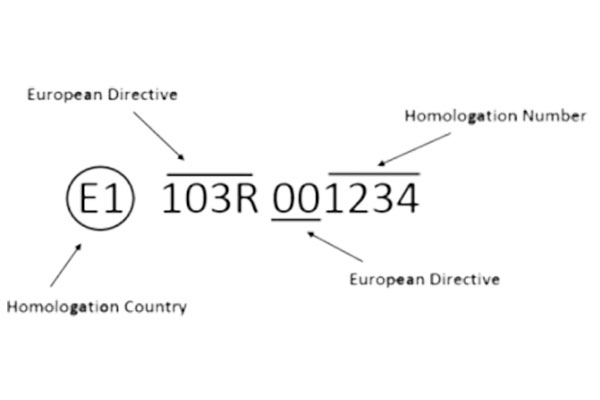
EC code application steps:
Determine the product category: First,it is necessary to determine which category the product belongs to,because different product categories may need to meet different EU directives and regulations.
Find relevant regulations: According to the product type,find the applicable EU regulations or directives.These regulations will guide you on how to conduct product compliance assessment and certification.
Select a suitable certification body: For most products,especially those that require an EC code,it may be necessary to obtain the necessary certification through a notified body recognized by the EU.These bodies can provide specific guidance on how to meet specific EU standards.
Prepare technical documents: Prepare complete technical documents,including design details,manufacturing processes,safety assessments,performance test results,and product compliance statements,etc.
5.Submit the application and wait for review: Submit technical documents and other necessary documents to the selected certification body.The certification body will review these materials to ensure that the product meets all applicable EU requirements.
6.Undergo inspection and/or testing: Depending on the product type and applicable regulations,the product may need to go through a series of inspections and tests to verify its performance and safety.
7.Obtain the EC code and compliance certificate: Once the product passes all necessary inspections and tests,the certification body will grant the EC code and issue a compliance certificate.
Time and cost:
(1) Time: The duration of the process may vary from a few weeks to several months,depending on the complexity of the product and the efficiency of the certification body.
(2) Cost: The certification cost varies depending on the certification body,product complexity,and required tests,usually several thousand euros.
Precautions:
(1) Ensure updates: Regulations may change,and it is very important to keep up - to - date with relevant regulations.
(2) Document integrity: Ensure that all documents provided to the certification body are accurate,which will help avoid unnecessary delays.
(3) Follow - up supervision: After obtaining the EC code,the product may need to be re - evaluated for compliance regularly to ensure continuous compliance with EU standards.
Hope this information can help you apply for the EC code smoothly.If the product is particularly complex or involves multiple regulations,it is recommended to contact a professional compliance consultant or certification body for advice.
Was this helpful? Give us a like!
Contact our experts for compliance audits, precise quotes, and one-stop customs support.
Recent Comments (0) 0
Leave a Reply