
Export Product Brand Declaration: What Should You Watch Out For?
or complex compliance issues.
clearance and fund security.
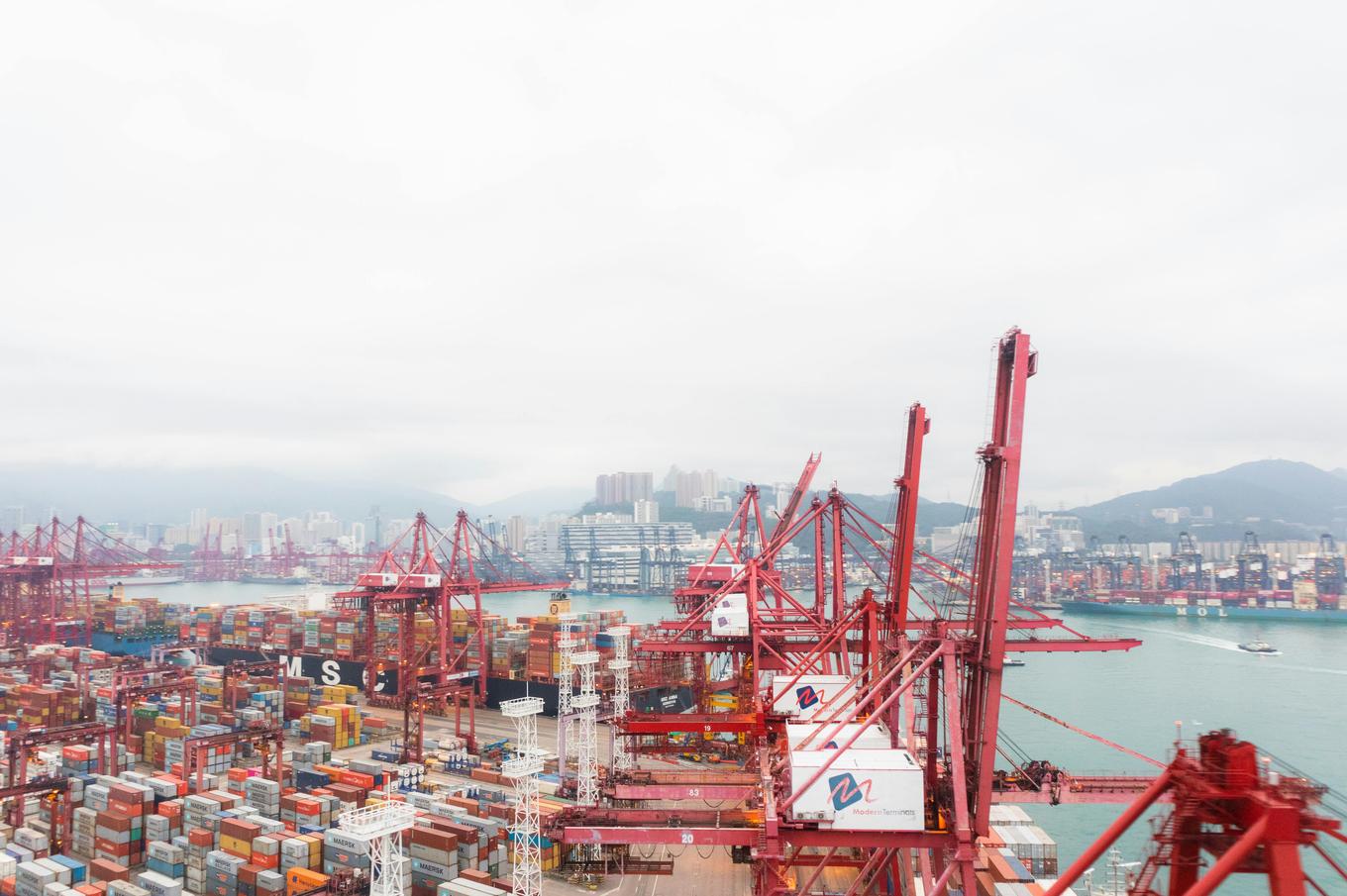
In international trade,the brand-declaration issue that pops up when exporting always makes people extra cautious.What if the customer has a logo but hasn’t registered it,or the product carries a silk-screen print—how do you decide whether it has to be declared as “branded”?Don’t worry,it’s a common headache; let’s walk through the rules behind it and a few practical tricks so your shipment sails out smoothly.
The "Criteria for Determination" Declared by the Brand
Customs mainly checks whether the product itself actually bears any relevant brand markings.If a logo,trademark,or screen-print appears on the product or its packaging,and that brand is owned by someone,you may have to declare it as “branded.” In short:
- Printedwithbrandlogo:Iftheproductissilk-screenedwiththecustomer’slogo,orthecartoncarriesanybranding,itisgenerallyregardedasbranded.Evenwhenthelogobelongstothecustomeritself,aslongasitisrecordedinthecustomsfilingsystem,thedeclarationproceduremustbefollowed.
- RegistertheRmark:Ifthelogocarriestheregistered?symbol,customsusuallytreatitasabrandeditemoutrightandrequirerelevantdocumentation.
- Overseasbrandsmanufactureddomestically:Commonscenario:ifthecustomerisanoverseasbrandandyoumanufacturedomestically,simplydeclare“OverseasBrand”truthfully—noextraregistrationcertificateisusuallyrequired.Whenfiling,select“BrandType:OverseasBrand”;customsacceptanceishigh.
If the brand is not registered in the customs filing system,no brand-certification certificate is required; just enter “no brand” or state the actual situation when declaring.This saves a lot of trouble,especially for small-batch exports.
Operational Recommendations for Special Scenarios
What if the customer’s logo is unregistered,or the license is granted only to the supplier without including your company’s details?Here are a few quick fixes:
- Dual-headerformat:Ifthebrandonlyauthorizesthesupplier,adual-headerexportcanbeused—thesupplier’sinformationisaddedduringdeclarationtoprovetheauthorizationchainiscomplete.Whencustomsinspects,thereisevidencetoreferto.
- Cartonprintedwithlogo:Theouterpackagingcarriesthecustomer’slogoandmaytriggeracustomsdeclaration.It’sadvisabletocheckwiththecustomeraboutswitchingtoneutralpackagingtoavoidunnecessarytrouble.Ifthecustomerinsistsonusingcartonswiththelogo,assessthetariffanddeclarationrisksinadvance.
- CustomsFilingandInspection:Whenindoubt,firstcheckthecustomssystemtoseeifthelogohasbeenregistered.Ifnot,proceedas“nobrand”;ifithas,provideanauthorizationletterorproof.
These small tweaks can make the filing more secure.
Risk & Prevention Tips
Incorrect declaration carries risks: customs inspection holds,back taxes,or fines.Don’t panic—just prepare in advance.Before shipping,consult a customs broker; they’re experienced and can help you anticipate issues.When the customer’s logo is involved,spell out brand liability in the contract to avoid later disputes.
Prevention first: During negotiations,clarify the customer’s needs; if the brand is complex,recommend neutral packaging or an overseas OEM model.In the long run,this saves both worry and effort.
Conclusion
Export brand declaration may sound tricky,but once you grasp the key points—marking,filing systems,and authorization—it’s not that hard.International trade is inherently flexible; by cleverly using dual invoicing or repackaging,there’s always a way.
Was this helpful? Give us a like!
Contact our experts for compliance audits, precise quotes, and one-stop customs support.
Recent Comments (0) 0
Leave a Reply