
Exporting Products with Button Batteries: A Compliance Guide
or complex compliance issues.
clearance and fund security.
In modern consumer electronics,remote controls are almost standard equipment.Devices such as fans,heaters,and lighting fixtures often come with a remote control that uses a built-in button battery (such as a CR2032 or CR2025 lithium battery).ForFor friends involved in exports,products with batteries can be a bit confusing: How should they be declared?Are they considered hazardous goods?What if they get inspected?Don’t worry—this article will help you sort things out and handle such export scenarios with ease.
Why is it important to take battery declarations seriously?
Let’s start with the most important point:Safety firstAlthough lithium batteries are small,improper handling during transportation can pose risks of fire or even explosion.This not only ruins your cargo but may also jeopardize the entire shipment on a vessel or aircraft—the consequences are no joke.Therefore,whether.orWhen it comes to compliance reporting for batteries,there must be absolutely no ambiguity.
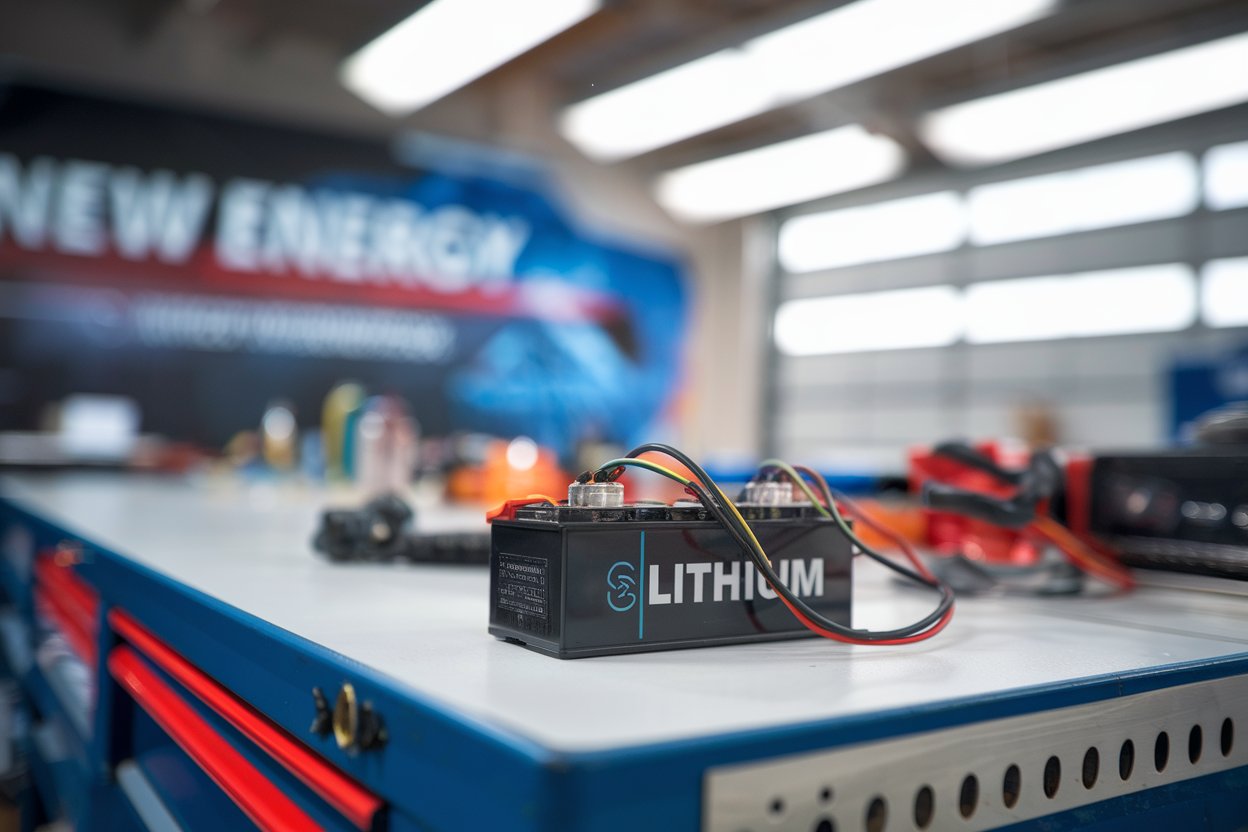
How to fill out a customs declaration form?
When declaring,You must honestly disclose that the product contains batteries.,and make sure to clearly specify the type and model of the battery.For example,you could write: "The product contains one CR2032 lithium battery for the remote control." Don’t even think about trying to sneak past it—customs inspection equipment is no joke.If caught,the consequences range from fines to damaging your credibility,which is simply not worth the risk.
Will it be classified as hazardous material just because batteries are listed?Actually,not necessarily.If the battery power is below 20Wh (most button cells meet this standard),they can often be shipped as ordinary goods,so there’s no need to worry about inconvenience in bulk shipping or a sudden surge in costs.However,the specifics still depend on the mode of transportation and the requirements of the carrier.
What’s the difference between sea freight and air freight?
- Seafreight:Shippingbyseaoffersrelativelyhigherflexibility.Aslongasyouhavethebattery’sMSDS(MaterialSafetyDataSheet)andUN38.3certification,mostshippingcompanieswillacceptit.However,policiesmayvaryslightlybetweenshippingcompanies,soit’sadvisabletoconfirmwiththefreightforwarderinadvanceandprepareallthenecessarydocumentstoavoidlast-minuteissues.
- Airfreight:Airfreightismuchstricter.IfshippingfromChina,therearemorerestrictionsandtheproceduresaremorecomplicated;ifshippingfromHongKong,it’sabitmorelenient,butthepriceisalsosignificantlyhigher.Sobeforeoptingforairfreight,it’sbesttodiscussindetailwiththefreightforwardertoseewhichoptionoffersbettercost-effectiveness.
A worry-free alternative
If you find it too troublesome to export batteries,there’s a simpler alternative:Remove the battery.Ship the product without the battery,and let the customer purchase the same type of button cell locally.This method completely avoids battery-related declaration and shipping issues,making the process hassle-free.Of course,the prerequisite is to communicate with the customer in advance to ensure they have no objections.
The benefits of compliance are far from trivial.
Following the rules diligently is not just about safety—it also adds value to yourself.In international trade,clients value reliability and professionalism the most.Compliance not only helps avoid potential risks but also ensures smoother operations and builds greater trust.
Summary
Exporting products containing button batteries may sound complicated,but it can be easily managed by mastering a few key points: accurately declare the battery type and model,prepare the necessary documents,understand the differences between sea and air shipping,or simply remove the batteries and let the customer handle them.Safety and compliance should always come first—don’t take unnecessary risks to save a little money.If you still have questions,consult a reliable freight forwarder for more specific advice.Wishing you smoother export journeys ahead!
Was this helpful? Give us a like!
Contact our experts for compliance audits, precise quotes, and one-stop customs support.
Recent Comments (0) 0
Leave a Reply