
These steps need to be prepared before exporting the goods!
or complex compliance issues.
clearance and fund security.
I.Confirming Trade Terms and ContractsSelecting trade terms
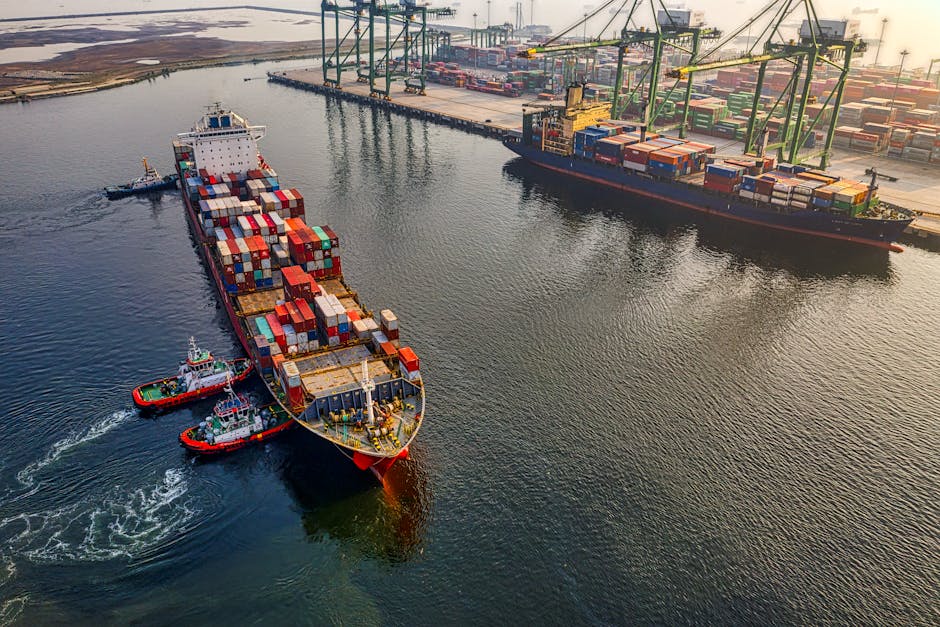
I.Confirm Trade Terms and Contract
1.Trade Term Selection
Clearly specify the trade terms to be used,such as FOB (Free On Board),CIF (Cost,Insurance,and Freight),CFR (Cost and Freight),etc.Different trade terms define the responsibilities and cost allocations between buyers and sellers regarding goods delivery,transportation,insurance,and other aspects.
2.Finalize contract details
Carefully review the contract terms,including quantity standards,packaging requirements,product specifications,quantity,quality,payment methods,delivery dates and locations,etc.Ensure the contract terms are clear and accurate,avoiding ambiguous expressions to prevent disputes during execution.
II.Market Research and Target Market Regulations Study
1.Market demand analysis
Research the demand situation in the target market,including market size,consumption habits,and trends.Understanding local consumers preferences and demand characteristics helps determine whether the exported products styles and functions meet market needs.
2.Target market regulations and standards
Different countries and regions have varying import regulations for various products.Before exporting,companies must familiarize themselves with the target markets legal requirements,such as product quality standards,safety standards,environmental standards,and labeling requirements.
III.Apply for Export Licenses and Prepare Relevant Documents
1.License application
Determine whether an export license is required based on the product category and target market requirements.Certain controlled goods,such as some agricultural products and strategic materials,must obtain the appropriate license before export.The application requires submitting relevant documents,such as business licenses,product descriptions,and export contracts,and following the prescribed approval process.
2.Prepare all necessary documents
Prepare other essential documents,such as commercial invoices,packing lists,bills of lading,Books,etc.
- Acommercialinvoiceisapricelistofgoodsissuedbythesellertothebuyer,containingdetailssuchasproductnames,specifications,quantities,andprices;
- Apackinglistdetailsthecontentsofeachpackage;
- Abillofladingservesasproofofgoodstransportation;
- Acertificateoforiginisusedtoprovethegoodscountryoforigin,helpingtheimportingcountryscustomsdeterminetarifftreatment.
IV.Goods Preparation
1.Product quality control
Strictly control product quality during production or procurement for export.Follow the quality standards agreed upon in the contract,establish a quality monitoring system,and conduct sample inspections.If quality issues are found,take timely corrective actions or replacements.
2.Goods packaging design
Design appropriate packaging that protects the goods from damage during transportation while complying with the target markets requirements.Additionally,pay attention to packaging labels,including product names,models,quantities,weights,and warning signs,ensuring they meet international transportation and target market regulations.

V.Logistics Arrangement
1.Selection of Transportation Mode
Choose the appropriate transportation method based on factors such as the nature of the goods,quantity,delivery time,and transportation costs,mainly including,land transportation,etc.
- Seafreightissuitablefortransportinglargequantitiesofbulkygoodswithlessurgenttimerequirements;
- Airfreightisfastbutcostly,suitableforhigh-valueortime-sensitivegoods;
- Landtransportationismainlyusedfortradewithneighboringcountriesorregionsoraspartofmultimodaltransport.
2.Contact shipping/airline companies
Select a reliable freight forwarding company or directly contact shipping or airline companies to arrange transportation.Freight forwarders have professional logistics knowledge and experience,offering services such as booking,customs clearance,inspection,and transportation arrangements.When communicating with them,clarify transportation requirements,such as shipping schedules,flights,loading/unloading ports,and sign a transportation contract.
VI.Insurance Arrangement
1.Insurance Needs Assessment
Assess insurance requirements based on trade terms and cargo characteristics.For trade terms like CIF where the seller is responsible for insurance,the seller must purchase cargo insurance.Before export,consider potential transportation risks such as natural disasters,accidents,theft,etc.to determine insurance coverage amount and scope.
2.Insurance Provider Selection and Policy Purchase
Select reputable insurance companies with excellent claims services for policy purchase.Provide accurate cargo information to insurers,sign insurance contracts,and ensure comprehensive protection during transportation.
In conclusion,pre-export preparations are crucial for ensuring smooth cargo shipments.Enterprises should prioritize these preparations to enhance transaction success rates and market competitiveness.
Was this helpful? Give us a like!
Contact our experts for compliance audits, precise quotes, and one-stop customs support.
Recent Comments (0) 0
Leave a Reply