
EXW Rules: Navigating Warehouse Entry Fees & Avoiding Disputes
or complex compliance issues.
clearance and fund security.
In international trade,EXW (Ex Works) is a commonly used trade term that clearly defines the responsibilities and cost allocations between buyers and sellers during delivery.However,have you ever had disputes with clients over warehouse entry fees?Under EXW terms,the seller only needs to deliver goods at the factory,but when clients request additional services,the division of responsibilities and costs becomes less straightforward!Today,we will reveal the boundaries of responsibility under EXW terms and share strategies to help you avoid unnecessary risks and losses.
Based on the definition and characteristics of EXW terms,lets analyze whether warehouse entry fees should be charged.
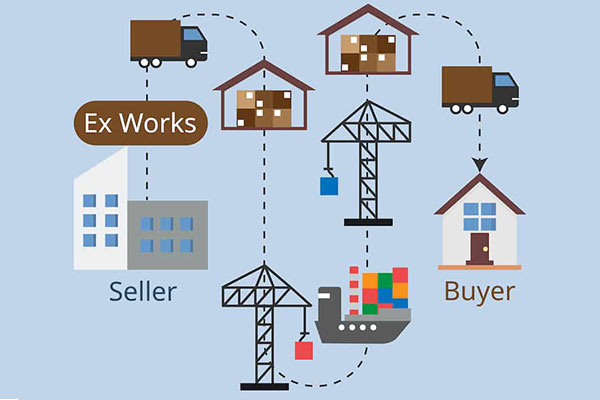
Basic Definition of EXW Terms
- SellersResponsibilities:
- Preparethegoodsatthedesignatedlocation(usuallythesellersfactoryorwarehouse)andnotifythebuyerforpickup.
- Oncethegoodsareloadedorleavethefactorygate,theriskandresponsibilitytransfertothebuyer,andthesellerisnolongerresponsibleforanytransportation,loading/unloadingcosts,orrisks.
- Assistthebuyerinpreparingrequireddocumentsbutarenotresponsibleforspecificoperationsorpaymentoffees.
- Buyers Responsibilities:
- Thebuyerbearsallcostsandrisksafterthegoodsareloadedatthesellersfactoryorwarehouse,includingloadingfees,transportationfees,customsclearancefees,portcharges,andwarehouseentryfees.
- Thebuyermustarrangelogistics(ordelegatetoafreightforwarder)topickupthegoodsfromthesellersfactoryandpayallcostsfromthepickuplocationtothedestination.
Definition of Warehouse Entry Fees and Responsibility Allocation Under EXW Terms
- WarehouseEntryFee:Warehouseentryfeestypicallyrefertocostsincurredwhengoodsenterawarehouseorstorageyard,suchasloading/unloadingfees,warehousingfees,andtallyingfees.Thesefeesgenerallyoccurwhengoodsaretransportedfromthefactorytoadesignatedwarehouse,containeryard,orportstoragearea.
- ResponsibilityAllocationforWarehouseEntryFeesUnderEXWTerms:UnderEXWterms,thesellersresponsibilityislimitedtodeliveringgoodsattheirfactory,whileallsubsequenttransportation,loading/unloading,andwarehouseentryfeesarebornebythebuyer.Therefore,thesellerdoesnotneedtopayanyfeesincurredafterthegoodsleavethefactory,includingwarehouseentryfees.Ifthebuyerrequeststhesellertodelivergoodstoadesignatedwarehouse,thisprocessconstitutesanadditionalservicebeyondEXWterms,whichusuallyrequiresseparatenegotiationandagreement,withthebuyerpayingthecorrespondingadditionalfees(e.g.transportationfees,warehouseentryfees).
Handling Client Requests for Delivery to Designated Warehouses Under EXW Terms
In practice,even if the contract terms are EXW,clients may sometimes request sellers to deliver goods to a designated warehouse for various reasons (e.g.logistics arrangements,warehouse locations).In such cases,sellers can adopt the following approaches:
- Clarifyresponsibilityallocation:Confirmwiththecustomerortheirfreightforwardingcompany,emphasizingthatthecurrentcontracttermsareEXW,andthesellerisnotresponsibleforanycostsafterthegoodsleavethefactory.Ifthecustomerrequiresthesellertoassistwithdeliverytoadesignatedwarehouse,thebuyershallbeartheadditionaltransportationcostsandwarehousingfees,whichshallbepaiduponmutualagreement.
- Agencytransportationservices:Ifthecustomerwishesthesellertoassistwithtransportationarrangements,agencyservicescanbeprovidedbasedonactualcircumstances,andthecustomershouldbeinformedinadvanceofanyadditionalcosts(suchasfreight,warehousingfees,loading/unloadingfees,etc.).Thesellermaypassthesecostsontothecustomerorhavethempaidbythecustomersfreightforwardingcompany.
- Writtenconfirmationagreement:Iftheselleragreestodeliverthegoodstoadesignatedwarehouse,itisrecommendedtoconfirmtheresponsibilitiesandcostallocationbetweenbothpartiesinadvancethroughawrittenagreement(suchasemail,additionalclauses,etc.)toavoidsubsequentdisputes.
Case Study: Disputes Over Warehouse Entry Fees Under EXW Terms
Case Background:
- Contractterms:EXW(ExWorks).
- Customerrequest:Deliverthegoodsfromthefactorytothecustomersdesignatedwarehouseandexpectthesellertocoverthewarehousingfees.
Handling method:
- ThesellershouldfirstinformthecustomerthatunderEXWterms,thesellersresponsibilityislimitedtodeliveryatthefactory,andallcostsandrisksafterthegoodsleavethefactoryarebornebythebuyer.
- Ifthecustomerinsistsonthesellerarrangingtransportationandwarehousing,additionaltransportationandwarehousingfeescanbenegotiatedwiththecustomer,andthecostallocationshouldbeclearlystatedinawrittenagreement.
- Onthisbasis,thecustomercanarrangefortheirownfreightforwarderorlogisticscompanytopickupthegoodsanddeliverthemtothedesignatedwarehouse,avoidingdirectsellerinvolvementinsubsequenttransportation.
V.Summary
Under EXW terms,the sellers responsibility is very limited,and all transportation and handling costs outside the factory,including warehousing fees,are borne by the buyer.Therefore,when the customer requests delivery to a designated warehouse and involves warehousing fees,the seller should adhere to the contract terms,clearly informing the customer that the warehousing fees are the buyers responsibility or charging additional fees based on negotiation.This ensures clear responsibilities and avoids unnecessary costs and disputes.
: For goods exported to Thailand,the value - added tax rate is: In practice,all operational details should be confirmed in advance with the customer and freight forwarding company,and the relevant responsibilities and cost allocations should be documented in writing to protect the sellers interests.
Was this helpful? Give us a like!
Contact our experts for compliance audits, precise quotes, and one-stop customs support.
Recent Comments (0) 0
Leave a Reply