
Is there a tax investigation on DDP exports from Indonesia? Don't panic! These tips will help you avoid pitfalls
or complex compliance issues.
clearance and fund security.
In international trade,when goods exported to Indonesia encounter customs audits and tariff disputes,it’s always a bit of a surprise.Imagine this: a few months after the payment has been settled,you suddenly receive a letter from the customs office stating that the declared value of the goods is too low,requiring additional tax payments and fines amounting to thousands of dollars.While this situation is challenging,it’s actually quite common,especially when using the DDP (Delivered Duty Paid) delivery term.Don’t worry—today,we’ll discuss the underlying mechanisms and practical solutions to help ensure your exports run smoothly and worry-free.
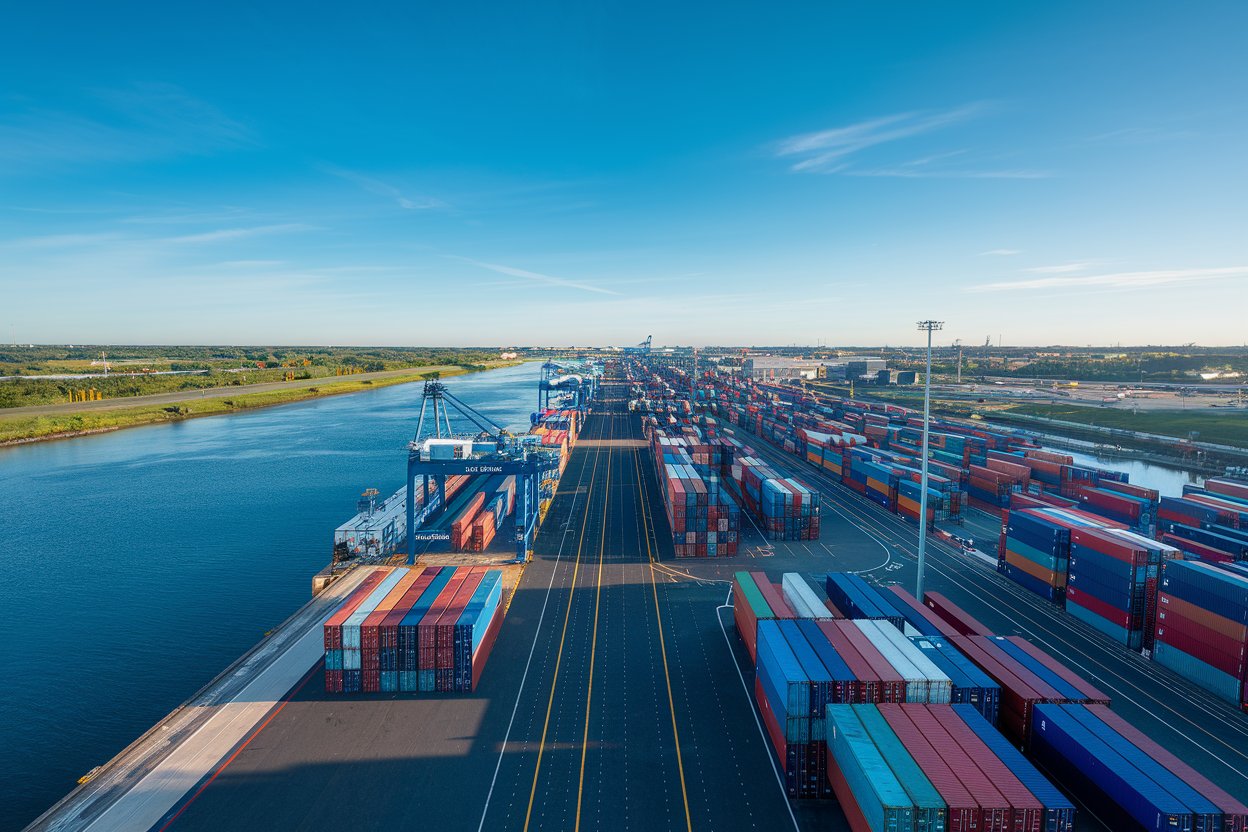
The "Double-Edged Sword" of DDP Terms
The DDP clause means that the seller is responsible for delivering the goods to the buyer’s designated location and bears all related costs and risks.And taxes.It may seem convenient for clients,but it poses significant risks for exporters—if there are problems with customs clearance,all the responsibility will fall on you.Indonesian customs is particularly sensitive to declared values.If an agent under-declares the value (e.g.declaring it at 70% of the selling price),they might save money on taxes in the short term,but face major trouble if audited.Customs can trace records back over months or even years,demanding back payments of duties and imposing fines,which could range from hundreds to tens of thousands of dollars.
Why is Indonesia so "strict"?Their customs system emphasizes anti-underreporting.While informal customs clearance (grey channels) is common,there’s a high risk of underreporting or non-reporting.Many freight forwarders try to undercut prices and cut costs here,but if customs inspects them,the consequences can be severe.If your shipment is found to be underreported under DDP terms,additional taxes and fines are inevitable - customs will consider this unreasonable,and the consequences will be even worse if you fail to pay the penalties.
The root cause of the problem and the potential losses
Understating the declared value of goods may seem like a "cost-saving" trick,but Indonesian customs officers are well aware of this tactic.They regularly conduct audits,especially for large-scale shipments.Under DDP terms,if the exporter or their agent handle the customs clearance improperly and the customer has already paid the full amount,you’ll still have to bear the costs of additional taxes and fines.The losses won’t just be financial—they’ll also damage your time and reputation.The goods might be seized,and your client relationships could be strained as a result.
There are many chaotic situations in the Southeast Asian market,where grey and illegal channels have reached an extreme level,and under-declaration and grey market operations have become the norm.However,customs policies are unpredictable—when they’re lenient,exporters can save money,but when they’re strict,exporters face huge losses.Exporters,especially novices,often suffer losses due to their lack of understanding of local policies.
Avoid pitfalls: Compliance is the key to success
Want to make your exports safer?Try these practical methods:
- Choosetherightcontractterms:Don’teasilyacceptDDPunlessyou’reextremelyfamiliarwithIndonesiancustomsclearance.SwitchtoFOBorCIFinstead,lettingclientshandletaxresponsibilitiesthemselvesandavoidingpotentialheadaches.IfDDPisunavoidable,factorpotentialtaxfeesintoyourquotestosharetheriskwithclients.
- Chooseofficialchannels:Findareliablefreightforwarderoragent,declareyourgoodscorrectly,andreporttheiractualvalue.Althoughthetaxesmightbehigher,it’ssafer—youcanstanduptocustomsinspections.Declaringlowervaluestoavoidtaxesmayseemtempting,butgettingcaughtandfinedwillcostyoumuchmorethanyou’llsave.
- Communicatinginadvance:Whendiscussingthedealwiththeclient,clarifythecustomsclearancepolicyandexplaintherisksofunder-declaring.Providingacertificateoforiginandmakingatruthfuldeclarationcanreducecustomssuspicion.Duringthecooperation,keepalldocumentrecords,sothatifthere’saninvestigation,therewillbeevidencetorelyon.
- Internalcontrol:Establishinternalmechanismsintheenterprise,andincludebufferfeesinthequotation;selectqualifiedagentsandsignagreementstoclarifyresponsibilities.TherumorthatIndonesiancustoms"addsometaxeseveryyear"remindsusthatcomplianceistheonlylong-termsolution.
These minor adjustments can help you avoid detours in your Indonesian exports.
Conclusion
The retrospective investigation of export tariffs in Indonesia’s DDP model may be frustrating,but the root cause often lies in under-declaration and informal clearance.By selecting the right terms and operating in accordance with regulations,you can avoid these pitfalls and securely generate profits.International markets are inherently volatile—remain flexible,and you’ll always encounter opportunities.We hope these insights will help you place orders with greater peace of mind and drive your business to new heights!
Was this helpful? Give us a like!
Contact our experts for compliance audits, precise quotes, and one-stop customs support.
Recent Comments (0) 0
Leave a Reply