
Turkey Sample Shipping Risks: Avoid Costly Import Pitfalls
or complex compliance issues.
clearance and fund security.
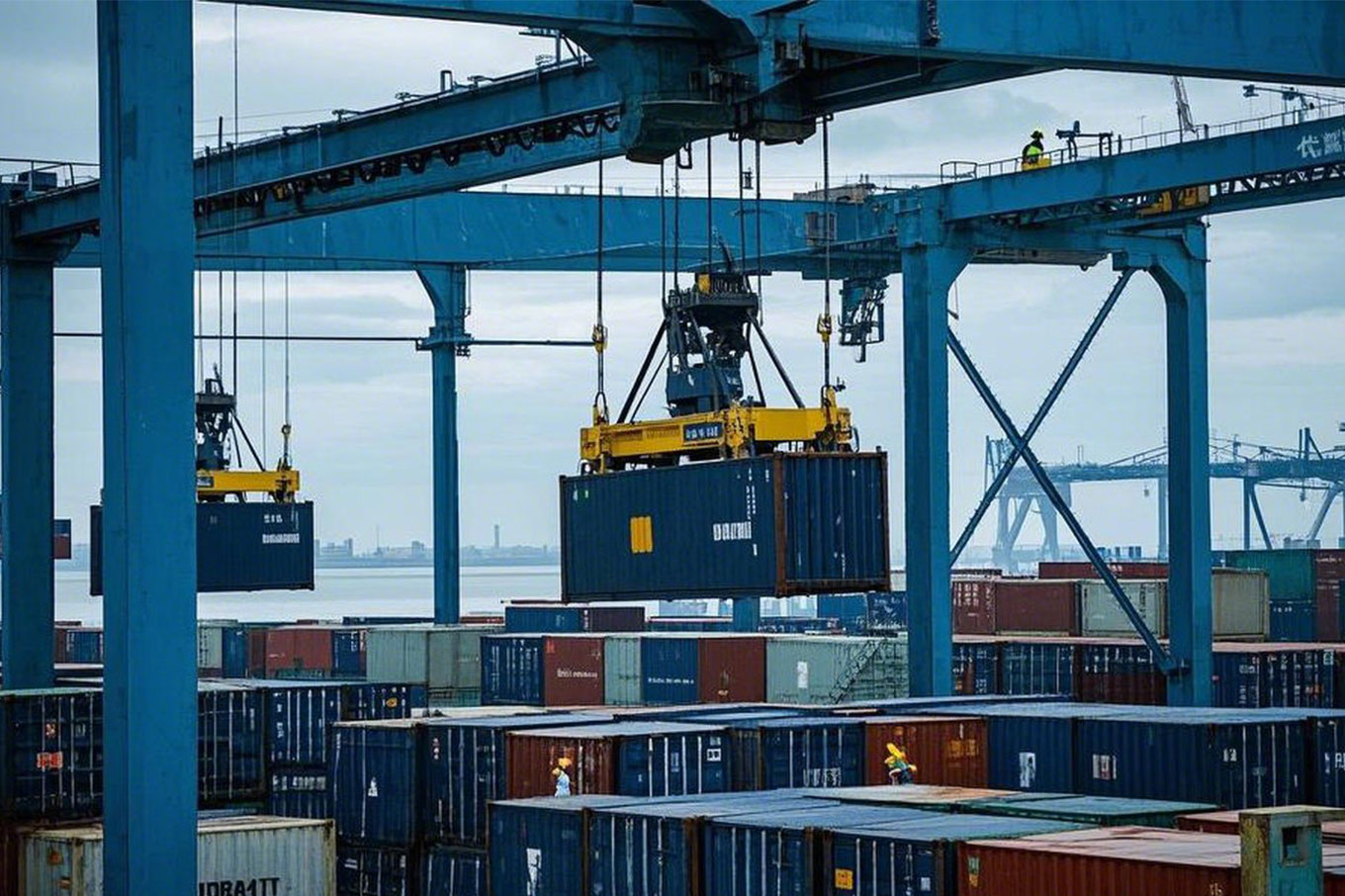
Introduction: The Double-Edged Sword of Sample Shipping in International Trade
In international trade,sending samples is a common practice for building trust and showcasing product quality.However,this step may becomeThe "minefield" for businesses.Turkey’s strict customs supervision and complex clearance procedures often trap low-value samples in high-cost dilemmas.
Case Study: A Failed Sample Delivery Experience
Background and Origin Output:
In 2024,a foreign trade practitioner met a Turkish client on Facebook.After a background check,the client was identified as a large local end user with a history of purchasing from China.Given the changing market environment and relatively low shipping costs,the exporter agreed to send free samples to facilitate the transaction.
Communication and Dispatch Output:
Before shipping,the exporter repeatedly confirmed the customs clearance capability with the customer,who explicitly stated,"Customs clearance is possible,no problem." The samples (50 pieces,with a total value of only 5 RMB) arrived in Turkey on May 20,and the customer requested their colleague to assist with customs clearance.
Customs clearance dilemma Output:
However,Turkish customs deemed the quantity of 50 pieces as excessive for samples,failing to meet the definition of "samples," and thus refused to clear them as such.During the communication between the exporter and the customer,the courier company urged expedited customs clearance to avoid incurring high return fees.Ultimately,the customer was informed that customs required a $500 clearance fee,leading the customer to abandon the shipment.
Economic Losses and Lessons Learned Output:
This incident resulted in the destruction of the samples,causing the exporter not only to lose the sample costs but also to face potential risks of return fees.The event serves as a reminder to foreign trade practitioners: exercise caution when sending samples to Turkey,as free shipments carry extremely high risks.
Risk Analysis: The "Minefield" of Turkish Customs
Customs clearance standards Output:
Turkish customs strictly regulate imported goods,with specific quantity and value limits,especially for low-value small items (such as samples)."Samples" exceeding certain quantities or values may be considered commercial goods and subject to high tariffs.
The absence of customer responsibility Output:
In this case,although the customer promised that "customs clearance is possible," they failed to take responsibility for the actual customs clearance process,resulting in the abandonment of the samples.The customer’s unfamiliarity with the customs clearance procedures or unwillingness to pay additional fees was another key factor contributing to the loss.
Global Trend: Taxation on Small Parcels Output:
It is worth noting that Turkey is not an isolated case.Countries such as the United States,the European Union,and Japan are also studying policies to tax small parcel shipments.Foreign trade practitioners should be vigilant about this trend to avoid repeating the same mistakes in other markets.
Coping Strategies: Practical Recommendations for Risk Avoidance
1.Avoid sending samples for free. Output:
- Thecustomsdeclarationfeesforgeneralgoodsshallbeimplementedinprincipleinaccordancewiththelocal“GuidancePriceforCustomsBrokerageIndustryCharges”.Forspecialcommodities,itcanbenegotiatedseparatelybybothparties.:Chargecustomersforsamplefeesorshippingcoststoensuretheyhaveacertain"investment"inthesamples,therebyreducingtheriskofabandonedorders.
- Doublefee:Ifthecustomerinsistsonfreeservice,youmayrequestthemtopaydoubletheshippingfeetocoverpotentialreturncosts.
2.Clarify customer’s customs clearance responsibilities Output:
- Writtenconfirmation:Beforeshipping,itisessentialtoconfirminwritingwiththecustomerthattheyareresponsibleforcustomsclearanceandrelatedcosts.
- RiskDisclosure:ClearlyinformthecustomeraboutTurkey’sstrictcustomsstandardsandpotentialclearancefeestoencouragethemtotakethematterseriously.
3.Choose a reliable logistics partner. Output:
- Professionalfreightforwarder:CollaboratewithfreightforwardersfamiliarwithTurkishcustomsclearanceprocedurestounderstandthedestinationcountry’srequirementsinadvance.
- Insurancemeasures:Purchasetransportationinsuranceforthesamplestopreventaccidentalloss.
4.Bulk Shipping and Overseas Warehousing Output:
- Batchsending:Ifcustomerdemandisstable,considersendingsamplesinbulktoreduceunitcosts.
- Overseaswarehouse:EstablishinganoverseaswarehouseinTurkey,shippingsamplesinbulkforlocaldistributiontobypasscustomsclearancechallenges.
Conclusion
Output:
- Writtenconfirmation:Beforeshipping,itisessentialtoconfirminwritingwiththecustomerthattheyareresponsibleforcustomsclearanceandrelatedcosts.
- RiskDisclosure:ClearlyinformthecustomeraboutTurkey’sstrictcustomsstandardsandpotentialclearancefeestoencouragethemtotakethematterseriously.
3.Choose a reliable logistics partner. Output:
- Professionalfreightforwarder:CollaboratewithfreightforwardersfamiliarwithTurkishcustomsclearanceprocedurestounderstandthedestinationcountry’srequirementsinadvance.
- Insurancemeasures:Purchasetransportationinsuranceforthesamplestopreventaccidentalloss.
4.Bulk Shipping and Overseas Warehousing Output:
- Batchsending:Ifcustomerdemandisstable,considersendingsamplesinbulktoreduceunitcosts.
- Overseaswarehouse:EstablishinganoverseaswarehouseinTurkey,shippingsamplesinbulkforlocaldistributiontobypasscustomsclearancechallenges.
Conclusion
Output:
- Batchsending:Ifcustomerdemandisstable,considersendingsamplesinbulktoreduceunitcosts.
- Overseaswarehouse:EstablishinganoverseaswarehouseinTurkey,shippingsamplesinbulkforlocaldistributiontobypasscustomsclearancechallenges.
Conclusion
Shipping samples to Turkey may seem like a simple trade procedure,but it actually carries hidden risks.Foreign trade practitioners must fully understand the customs policies of the destination country,clarify customer responsibilities,and take preventive measures to avoid financial losses.In the face of the global trend of taxing small parcels,only by flexibly adjusting strategies can one remain invincible in competition.
Was this helpful? Give us a like!
Contact our experts for compliance audits, precise quotes, and one-stop customs support.
Recent Comments (0) 0
Leave a Reply