
Self-Operated vs. Agent Export: A 2025 Guide for Manufacturers
or complex compliance issues.
clearance and fund security.
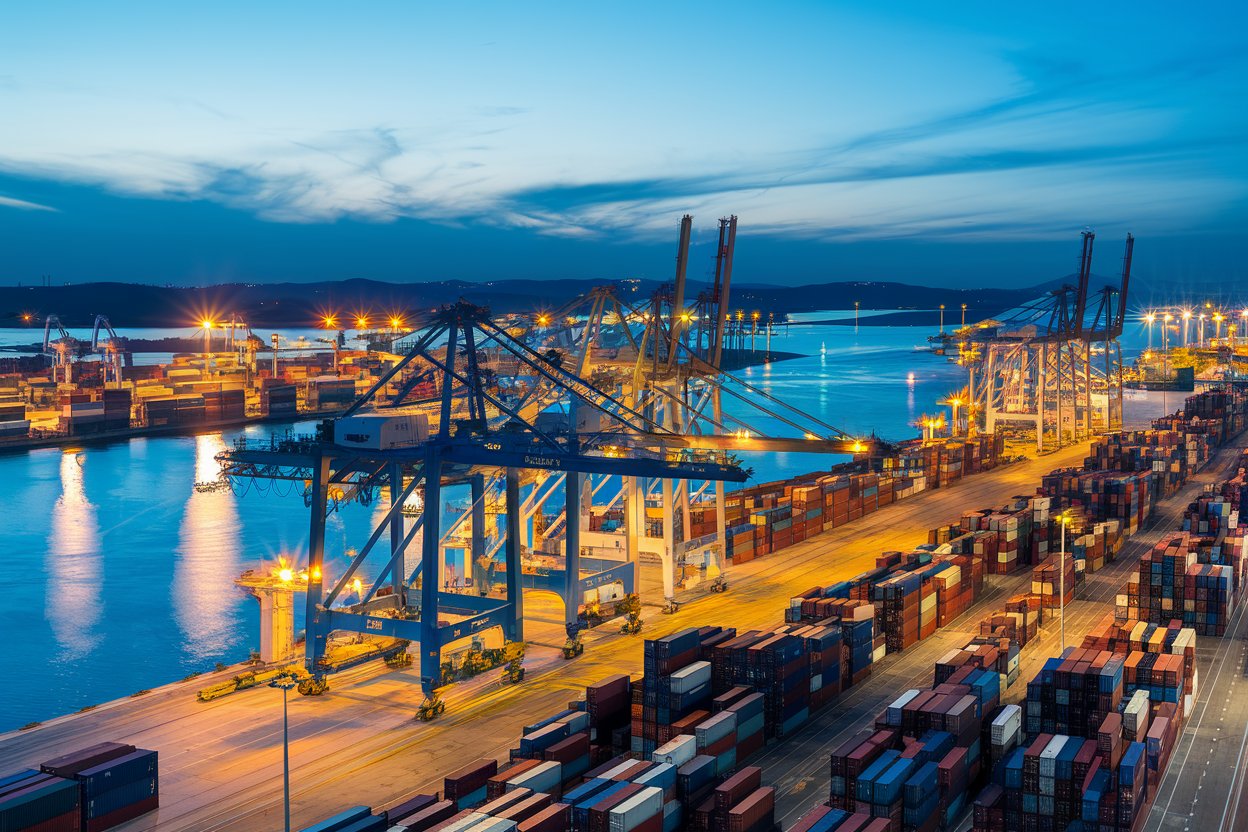
What is self-operated export?What conditions must enterprises meet?
Self-operated export refers to a trade method where enterprises complete the entire export process in their own name.The latest policy requirements for 2025,enterprises must possess:
- ValidBusinesslicense(CustomsRegistrationCertificate)
- ForeignexchangereceiptandpaymentqualificationsfiledwithSAFE
- QualificationasaGeneralVATTaxpayer
- Independentcustomsdeclarationcapabilityorcooperativecustomsbroker
A certainManufacturer cases show that when annual export volume reaches $5 million,self-operated export can save approximately 8% in agency service fees.However,it requires at least 2 professionals familiar with international trade,document preparation,and tax refund declaration.
What are the risk points in agency export operation models?
Agency export is a model where enterprises entrust third-party service providers to complete export procedures,requiring special attention to:
- Threepolicyadjustmentsworthyofattentionthisyear:
- Thenumberofcasesofagentsembezzlingfundsincreasedby15%year-on-yearin2024.
- Recommendchoosingagencycompanieswithexportcreditinsurance
- Tax risk
- In2025,theGeneralAdministrationofCustomswillstrengthentheverificationof"outsourcedexporttransactions".
- Agencycompaniesissuingfalseinvoiceswillincurjointliabilityfortheprincipal
Core differences comparison table between the two models
- Capitalflow
- Self-operatedexport:Foreignbuyerspaydirectlytotheenterprisesaccount
- Agencyexport:Paymentsaretransferredthroughtheagencycompany
- Customs declaration entity
- Self-operated:Enterprisesdeclarecustomsthemselves(candelegatetocustomsbroker)
- Agent:Theagencycompanyactsasthedeclarant
- Tax refund cycle
- Self-operation:Taxrefundcanbecompletedinasfastas15workingdays
- Agent:Typicallyrequires45-60days
IV.The three decision-making factors that enterprises will consider in 2025
According to the World Banks 2025 Global Trade Facilitation Report,it is recommended to evaluate from three dimensions:
- Exportscale:Forannualexportamountsbelow$3million,agencyexportisrecommended
- Productcomplexity:Involveandotherspecialqualifications,self-operationispreferred
- Talentpool:Requiresatleast3yearsofexperienceDocumentationspecialist
V.Common Misconceptions and Latest Policy Reminders
- Misconception1:Smallbusinessescannotengageinself-operatedexports
In 2025,the General Administration of Customs implemented the "Small and Micro Export Enterprises Aid Program",allowing companies with a registered capital of just 1 million RMB to apply for an e-port IC card.
In 2024,a clothing company suffered a loss of $230,000 due to the agent company incorrectly declaring the HS code,which led to the seizure of the entire container of goods.
From July 2025,agents handling export business will be required to register the actual cargo owners’ information in the electronic port system.Otherwise,they will not be able to handle the relevant procedures.
Was this helpful? Give us a like!
Contact our experts for compliance audits, precise quotes, and one-stop customs support.
Recent Comments (0) 0
Leave a Reply