
Processing Trade: Optimal Scrap Material Management & Disposal
or complex compliance issues.
clearance and fund security.
I.What are processing trade leftover materials
Processing trade leftover materials refer to waste,scraps,and off - cuts with a reasonable quantity that are generated during the processing and re - export business of processing trade enterprises within the unit consumption of materials approved by the customs and cannot be reused for the export finished products under the processing contract.
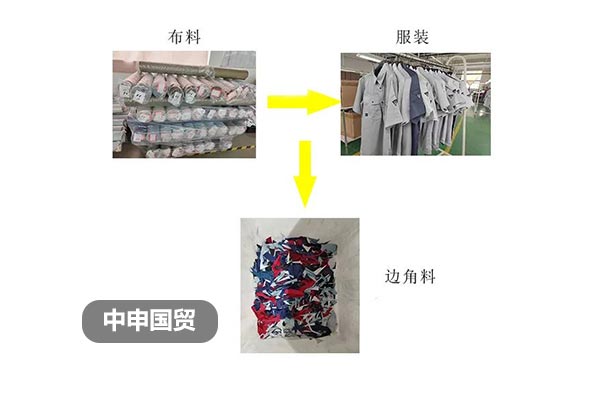
II.The differences between leftover materials,defective products,and by - products
Defective products are products (including finished and unfinished products) with serious defects or that do not meet the export contract standards and cannot be re - exported during the production process.
By - products are one or more other products that are simultaneously generated during the processing and production of the finished products (i.e.main products) specified in the export contract and that are not required to be re - exported in the export contract.
III.Regulatory provisions that must be known
According to Article 3 of the Measures of the Customs of the Peoples Republic of China for the Administration of Processing Trade Leftover Materials,Remaining Materials,Defective Products,By - products,and Affected Bonded Goods,leftover materials,remaining materials,defective products,by - products,and affected bonded goods generated after the processing of bonded imported materials for processing trade are goods under customs supervision.Without the permission of the customs,no enterprise,unit,or individual may sell or use them for other purposes without authorization.
According to Article 18 of the Regulations of the Peoples Republic of China on the Implementation of Customs Administrative Penalties (revised in 2022),if,without the permission of the customs,goods under customs supervision are opened,taken,delivered,shipped,exchanged,refitted,mortgaged,pledged,retained,transferred,marked,used for other purposes,or otherwise disposed of,a fine of not less than 5% but not more than 30% of the value of the goods will be imposed,and if there are illegal earnings,the illegal earnings will be confiscated.
IV.How to properly dispose of leftover materials
Domestic sales: Enterprises can apply to sell leftover materials domestically.The customs will directly review the declaration forms for domestic sales and tax payment declared by the enterprises and handle the procedures for domestic sales and tax payment.
Return shipments: Enterprises can apply to return leftover materials out of the country.The customs will handle the procedures in accordance with the relevant regulations for return shipments and handle the cancellation procedures of the manual (account) book based on the relevant return shipment certification materials.
Destruction: For leftover materials that cannot be sold domestically or returned,enterprises can entrust a unit with legal qualifications to carry out destruction and disposal.The customs will handle the cancellation procedures based on relevant documents,the receipt issued by the disposal unit,and disposal certificates.
Was this helpful? Give us a like!
Contact our experts for compliance audits, precise quotes, and one-stop customs support.
Recent Comments (0) 0
Leave a Reply