
US Precision Tool Exports: Compliance & Agent Value
or complex compliance issues.
clearance and fund security.
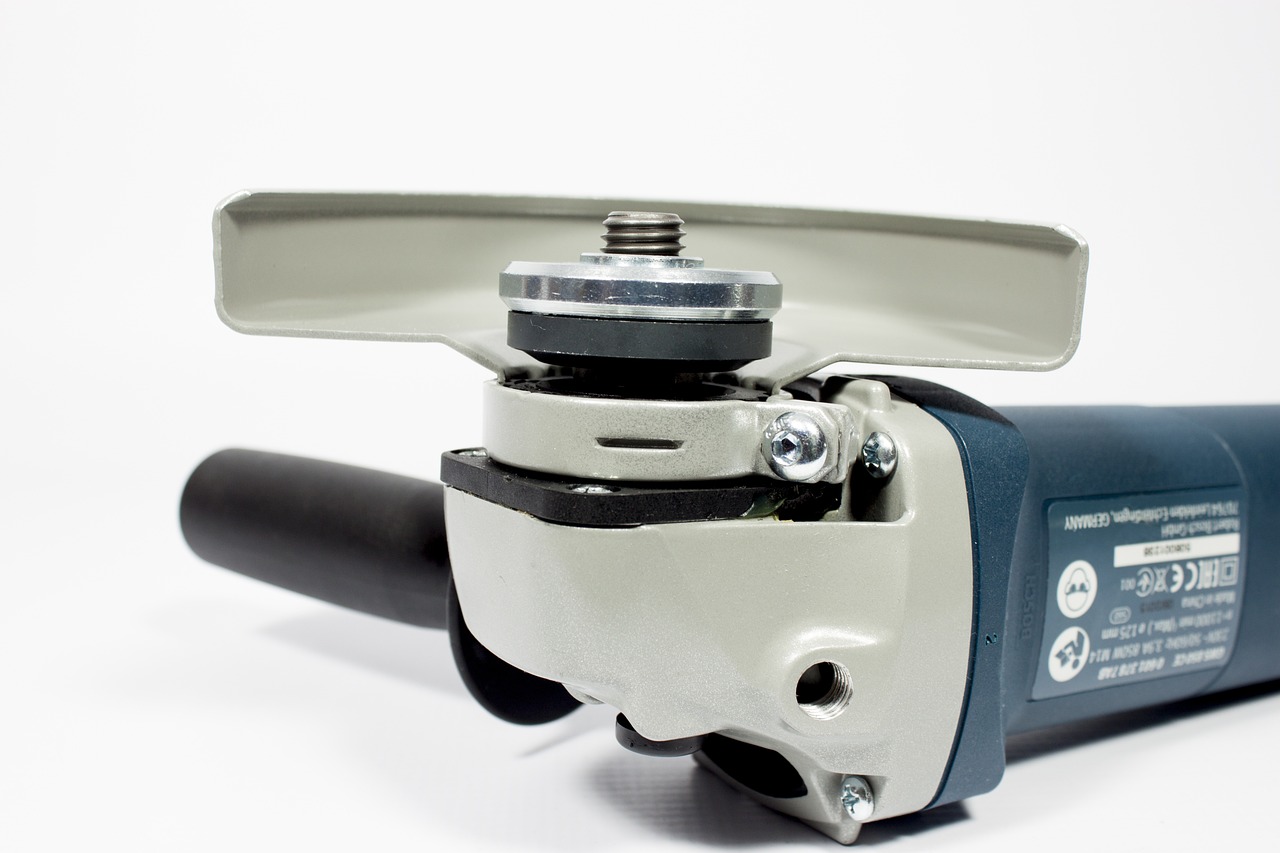
In recent years,with the intelligent upgrade of the global manufacturing industry and the expansion of investment in the US infrastructure and other fields,the export demand for precision measuring tools (such as laser rangefinders,coordinate measuring machines,industrial sensors,etc.) to the United States has continued to grow.However,as one of the markets with the strictest trade compliance supervision in the world,the US import policies have extremely complex requirements for product certification,tariff classification,rules of origin,etc.For small and medium - sized enterprises lacking experience,there are relatively high risks in independently completing the entire export process.This article will provide professional interpretations for export enterprises from three aspects: the core points of policies,common risks and the value of agency services.I.Analysis of the Core Points of US Import Policies
II.Common Risk Cases of Export Enterprises Output:
1.Measuring tools need to determine the commodity code according to the Harmonized Tariff Schedule of the United States (HTSUS),and the tax rates vary significantly for different categories.For example:
Hand - held laser rangefinder (HTS 9015.80.0080) has an applicable tax rate of 2.5%;
- Industrialhigh-precisioncoordinatemeasuringmachine(HTS9031.80.0000)hasataxrateof0%;
- SomeChinese-origincommoditiessubjecttotheSection301Tariffmaybeadditionallyleviedatariffof7.5%-25%.
- :ProfessionalteamscanhelpenterprisesreasonablyreducetaxburdensthroughHTSpre-classificationandoriginoptimization(suchasorassemblyinathirdcountry).
Value of Agency Services: Mandatory Certification Requirements: All measuring equipment with radio frequency functions (such as Bluetooth rangefinders) must pass the FCC Part 15 test;
2.: Electric tools need to be issued with a safety certification by a laboratory recognized by OSHA (such as UL,ETL);
- FCCCertification:InstrumentsrelatedtoenergyconsumptionneedtocomplywithrelevantEPAregulations.
- NRTLcertification:Since2023,theUSCustomsdetentionrateforgoodswithoutcertificationlabelshasincreasedby30%,andnon-compliantenterprisesmayfacereturnofgoodsorfines.
- EPAenergyefficiencystandards:RulesofOriginandSupplyChainReview
Risk Warning: The USs import restrictions on Made in China products continue to increase.Enterprises need to provide complete supply chain documents (such as BOM tables,processing flowcharts) to prove that the products are not on the entity list.Agency agencies can avoid trade sanction risks in advance through the origin pre - review service.
3.High - value Tax Recovery Caused by Incorrect Commodity Classification
When a company exported industrial sensors,it misused the 9014 category code (tax rate 1.5%),and it should actually be classified into the 9031 category (tax rate 0%).After a customs inspection,the company was required to pay back taxes and late fees for three years,with a loss of over $200,000.
III.Full - process Empowerment of Professional Agency Services Output:
1.Return Crisis Caused by Lack of Certification
In 2022,500 laser rangefinders exported by a company in Shenzhen were all detained by the Los Angeles Customs because they did not obtain the FCC - ID certification.Eventually,after paying the certification fee and warehousing costs,they were sold at a discounted price in the Mexican market.
2.Intellectual Property Infringement Dispute
US brands such as FLUKE and BOSCH have a tight patent layout for measuring tools.OEM enterprises may face a Section 337 investigation if they do not review the authorization qualifications of their customers.
3.Establishment of Customs Compliance System
Assist enterprises in establishing an HTS database and origin management system;
Tariff Classification and Tax Rate Confirmation Output:
1.Accelerated Channel for Certification and Testing
- CooperatewithlocalUSlaboratoriestoshortentheFCC/ULcertificationcycle(asfastas15workingdays);
- ProvidetariffpreferenceplansunderfreetradeagreementssuchasRCEPandMCAC.
2.Pre - review the compliance of product labels and instructions to avoid format - based return of goods.
- RiskControlandDisputeResolution
- Pre-declaration(PA)servicereducestheinspectionrate;
3.Risk control and dispute resolution
- Pre-declaration(PA)servicereducestheinspectionrate;
- HandleFDAcustomsdetentionandintellectualpropertydisputesinconjunctionwithUScustomsclearancelawyers.
4.Supply Chain Cost Optimization
- Integratefirst-leglogistics,overseaswarehouseandterminaldistributionresources,shorteningthecustomsclearancetimeontheUSWestCoasttowithin72hours.
- Reduceafter-salesrepaircoststhroughthebondedrepairmodel.
IV.Industry Trends and Upgrades of Agency Services Output:
Currently,two new trends are emerging in the US market:
1.The requirement of supply chain near - shoring: Some state governments give priority to purchasing measuring tools assembled in Mexico/Canada.The agency can assist customers in laying out the industrial belt in the US,Mexico and Canada.
2.EPA environmental regulations upgrade: From 2024 onwards,battery-related measurement equipment will need to comply with the new TSCA heavy metal restriction standards,and the compliance costs are expected to increase by 12%.
Choosing an agency company with dual - customs - clearance qualifications in China and the US and a localized service network will be a key strategy for enterprises to break through trade barriers and increase profit margins.
Conclusion
Measuring toolsThe compliance threshold continues to rise,but the market demand remains strong.Enterprises need to leverage professional agency services to transform policy risks into competitive barriers.If you need to obtain a customized export plan or the latest HTS tax rate inquiry,please feel free to contact our trade compliance expert team.
Was this helpful? Give us a like!
Contact our experts for compliance audits, precise quotes, and one-stop customs support.
Recent Comments (0) 0
Leave a Reply