
In-depth Analysis of Chilean Calle Mont Red Wine Agents: From Tariff Benefits to Avoiding Pitfalls in OEM Contract Manufacturing
or complex compliance issues.
clearance and fund security.
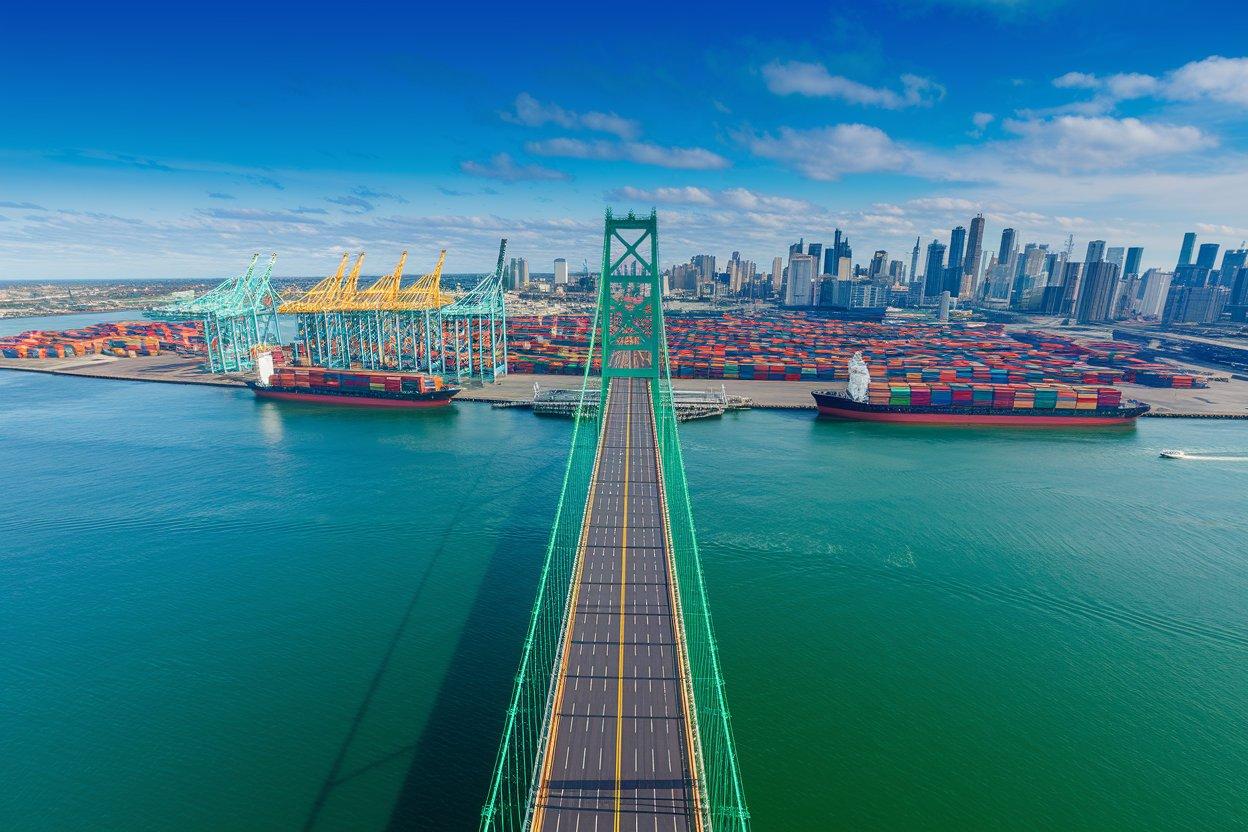
Many purchasing managers immediately associate Chilean red wine with "affordability" and "zero tariffs" when the topic comes up.However,if you think you can easily dominate the Carmenère category just by securing low factory prices,you’re likely to face major setbacks during customs clearance.Particularly with Carmenère,a grape variety considered a "national treasure" in Chile,it was often mistaken for Merlot in the early days,which led to some confusion in the market.The declaration of ingredients is extremely sensitive during customs valuation.Choosing the right products is just the first step.However,90% of novice sellers fail in the compliance connection between "agency rights" and "certificates of origin",resulting in them enjoying the benefits of the China-Chile Free Trade Agreement but still being questioned by customs about price risks.
Hidden Cost Structure of Chilean Wine Imports | Beyond Sourcing
Before deciding to use an agent,it’s essential to carefully calculate all the costs.Many business owners only focus on the FOB price,but they overlook the biggest variable in importing Chilean wine: Logistics temperature control and compliance risk costsCarlemon has a higher tannin content and is more sensitive to temperature fluctuations during transportation than Sauvignon Blanc.If the transportation conditions are not properly selected,the loss rate after arrival can easily erode your profit margin.
In addition,are you choosing to represent well-known brands or to do OEM custom manufacturing?These two approaches differ vastly in terms of capital requirements and operational complexity.Below is a detailed comparison of the two mainstream models for B2B procurement:
| Comparison dimension | Branded Agency | OEM Private Label |
|---|---|---|
| Minimum Order Quantity (MOQ) | It’s usually quite low,which is suitable for testing the market | The price is relatively high (usually starting from one container),and it requires a large amount of capital investment |
| Tariff and valuation risk | Low.The brand has a complete history of customs declaration and price records | High.New brands are prone to triggering customs "price inquiries",so it’s necessary to prepare detailed cost proofs |
| The utilization rate of the China-Chile Free Trade Agreement | High.The original factory directly provides the Form F certificate of origin | In China,it is necessary to confirm the exporter’s qualifications.If it is a resale trade,it may not be eligible for zero tariffs |
| Brand control rights | Weak.Restricted by the brand owner’s market price control and regional protection | Strong.It has complete pricing power and control over sales channels |
The implementation of the standard operating procedures (SOP) for the Chilean Callemon red wine agency has been completed.
To ensure that your import business is not held up at the port,it is recommended to strictly follow the following standard operating procedures.This is not just a process,but also a firewall to avoid risks.
Step 1: Dual review of the supplier’s qualifications and the origin of the products Output:
Don’t just look at the design of the wine label.You must require Chilean wineries to provide theirWines of Chile (Chilean Wine Association)Member qualifications and the latest health certificates.For the Callemon variety,it is necessary to specifically confirm the grape sourcing region (Central Valley vs Maipo Valley),as this directly affects the customs’ recognition of the price.
Step 2: Lock in the tariff preferences of the China-Chile Free Trade Agreement Output:
This is the core of cost reduction.When signing the agency contract,it is necessary to explicitly include the clause that the exporter is obligated to provide the relevant documents within 10 working days after the goods are shipped.Original Form F Certificate of OriginNote that the HS code on Form F must be exactly the same as the import declaration code,and the description of the "6-digit product name" must be accurate.Otherwise,you will not be eligible for zero tariffs.
Step 3: Transportation of the constant-temperature cabinet and preparation of the shipping documents Output:
Although Kalomen is easy to store and transport,B2B procurement should maintain high standards.It’s essential to book shipping space20-foot or 40-foot temperature-controlled containers (Reefer Containers)The set temperature is 10℃-14℃.Regarding the preparation of documents,Chinese labels must comply with the GB/T 27586-2011 standard.In particular,the warning phrase "Excessive alcohol consumption is harmful to health" must be standardized,otherwise the cost of revising and replacing the labels will be extremely high.
Step 4: Preparation for port declaration and price negotiation Output:
If the declared price is lower than the "risk line" in the customs system,the customs will issue a price query.At this time,you need to immediately submit the following documents: payment vouchers,insurance policies,freight bills,and the wine factory’s certificates.Cost Analysis SheetThis cost statement must be signed and stamped by the winery to prove that your low price is based on a long-term cooperative relationship rather than tax evasion.
Overlooked Customs Valuation Red Lines | Vintage Traps in Wine Import
Many experienced people who have been making Chilean wine for a long time tend to become overconfident and think,"Chilean wine is cheap,so the customs won’t check it." This is a huge misunderstanding.
In practice,the customs’ valuation logic for Chilean red wine has changed.They no longer just look at the unit price,but have started to evaluate it based on other factors.Year and production regionLet’s reverse-engineer the cost.If you declare a Carlemone of the Reserva grade,but its price is lower than that of the ordinary grade (Varietal),the system will automatically trigger an alert.
In addition,there is also an invisible risk:The quality issue of the corkSome wineries in Chile use polymer corks or low-quality natural corks in OEM orders to control costs,which can lead to the unique "green pepper flavor" of Calle Montes turning into a wet cardboard taste (TCA contamination).As an agent,it is recommended to specify the specific brand of cork material (such as Nomacorc or Diam) in the contract,which is more important than reducing the purchase price by $1 .
3 Things You Can Do This Afternoon
After reading this article,don’t just bookmark it.Please take the following actions immediately to optimize your supply chain:
- Checkthecurrentinventory:CheckwhethereachbatchofChileanredwineinthewarehousehasthecorrespondingcopyoftheFormFcertificateoforigin,incaseoftaxinspection.
- Calculating"LandedCost":PleaseaskthefreightforwardertoprovideanupdatedlistofthemainportsinChiletoShanghai/Shenzhen.QuotefortheshippingcostoftheconstanttemperaturecabinetUpdateyourcostaccountingmodel.
- Updatethecontracttemplate:Inyourprocurementcontracttemplate,adda"Documentarybreachclause":Iftheexporterisunabletoprovideacompliantcertificateoforigin,resultingintarifflosses,thesellershallbearthefullresponsibilityfortheselosses.
Was this helpful? Give us a like!
Contact our experts for compliance audits, precise quotes, and one-stop customs support.
Recent Comments (0) 0
Leave a Reply