
The South Korean government has set an export target of $70.1 billion for 2024.
or complex compliance issues.
clearance and fund security.
The South Korean government recently announced its ambitious plan to achieve an export target of $701 billion by 2024,an increase of 10.8% over last year and a new historical record.Against the backdrop of global economic recovery,Andong Kim,the Minister of Industry,Trade and Resources of South Korea,said that the achievement of this goal will depend on strengthening its three main markets,namely the United States,China,and ASEAN,while also seeking to diversify exports to strategic markets such as Europe and the Middle East.
In the US market,the South Korean government plans to secure a position as a core partner through supply chain restructuring in cutting-edge industries such as semiconductors and secondary batteries.This strategy will not only strengthen economic and trade relations between South Korea and the US but also help South Korean enterprises occupy a more prominent position in global supply chains.
For the Chinese market,South Korea has proposed strategies to adapt to the diversification of consumer classes and new consumption trends.With Chinas sustained economic growth and increasingly mature consumer market,South Korean enterprises are expected to meet the diversified demands of Chinese consumers by providing high-quality and innovative products.
In the ASEAN market,with Vietnam as the center,South Korea plans to utilize Hallyu (Korean Wave) marketing to boost exports and actively promote the entry of regional value chains (RVC).As a rapidly growing economy,ASEAN offers significant market potential,and South Korea can further expand its export share in the region through the influence of Hallyu culture.
Simultaneously,South Korea is also focusing on the European and Middle Eastern markets,leveraging the accelerated trends of supply chain restructuring and carbon neutrality transition in these regions to seize export opportunities.In Europe,South Korean companies have the opportunity to meet market demands by providing eco-friendly and high-tech products.In the Middle East,South Korea is advancing exports in sectors such as nuclear power plants,complete equipment,and defense through summit diplomacy and free trade agreements.
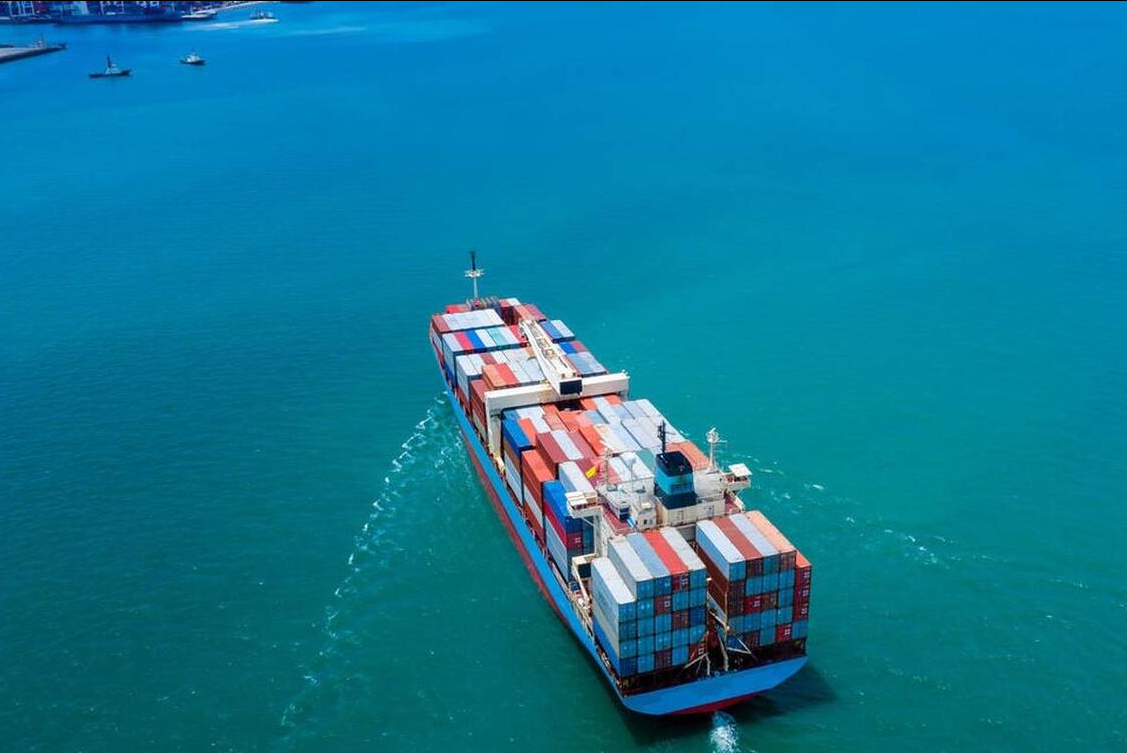
Facing geopolitical uncertainties triggered by U.S.and U.K.airstrikes in the Middle East,which have led tologistical challenges such as shipping delays and rising freight costs,the South Korean government has decided to implement phased support measures to address the surge in maritime freight rates.This demonstrates that the South Korean government is not only taking proactive steps to drive export growth but also actively addressing external challenges that could impact export operations.
Additionally,to enhance the export vitality of small and medium-sized enterprises (SMEs),the Korea Customs Service will continue to actively utilize tariff policies this year,implementing five measures such as postponing tariff investigations,extending tariff payment deadlines,or allowing installment payments to support the normal operations of SMEs.This policy aims to alleviate the financial burden on SMEs,helping them better participate in international trade and strengthen their competitiveness in the global market.
Was this helpful? Give us a like!
Contact our experts for compliance audits, precise quotes, and one-stop customs support.
Recent Comments (0) 0
Leave a Reply