
Saudi SABER: New Export Rules for 2025
or complex compliance issues.
clearance and fund security.
The Saudi Standards Organization (SASO) recently issued an important notice stating that,from January 1,2025,all goods exported to Saudi Arabia must submit certification applications through the SABER system prior to shipment,and simultaneously obtain Product Conformity Certificates (PCoC) and Shipment Conformity Certificates (SCoC).The official implementation of this measure means that the previous practice of relying on Undertaking Letters or applying for relevant certificates after arrival will be phased out completely by early next year.Industry experts generally believe that this will not only further standardize Saudi Arabia’s import market,but also pose greater challenges in terms of process and compliance for foreign exporters and importers.
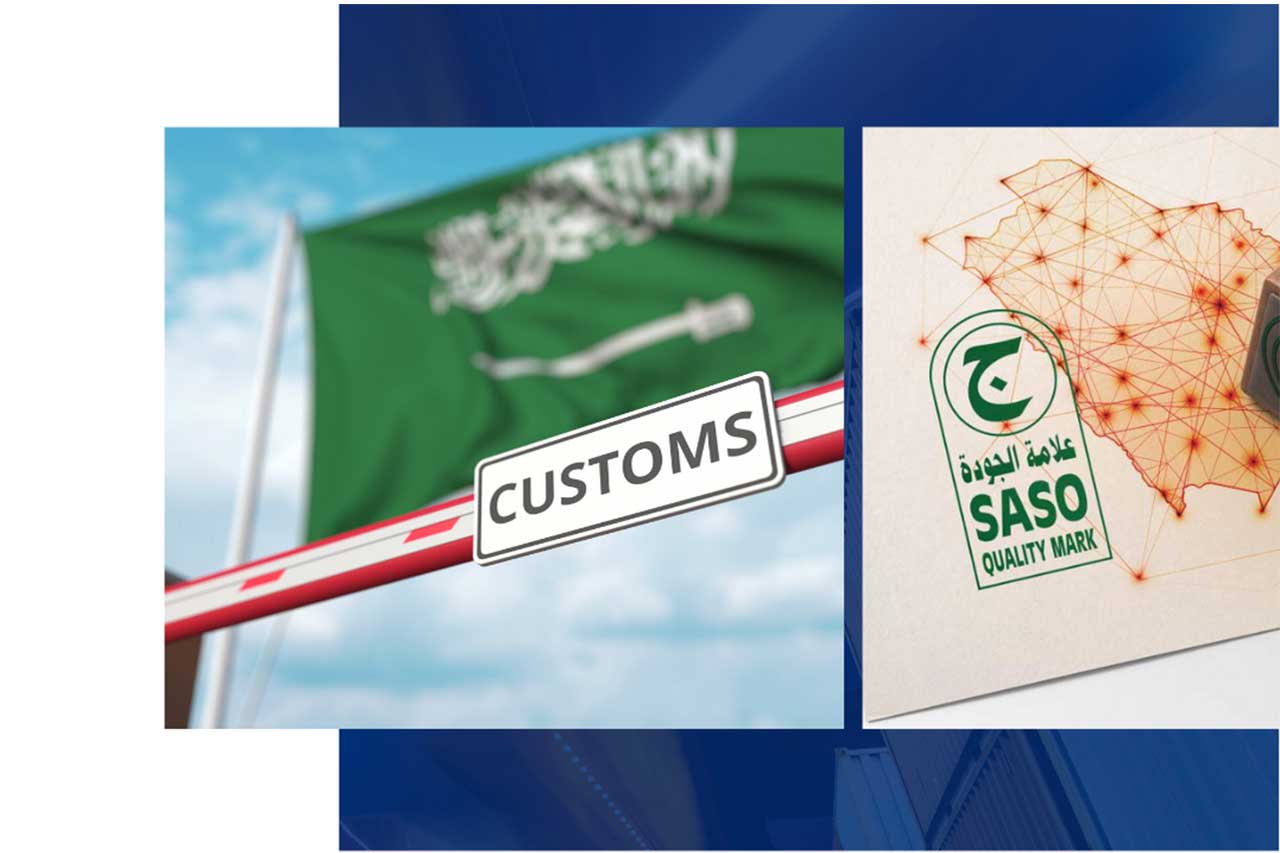
According to the information,the SABER certification is a mandatory system introduced by Saudi Arabia to strengthen product safety and quality supervision.From design to implementation,it revolves around the core goal of "ensuring that all imported products comply with Saudi technical regulations and standards".Since January 1,2025,the new regulations stipulate that all products intended to enter the Saudi market must first obtain a PC certificate (Product Registration Certificate) and handle an SC certificate (Shipping Certificate) for each batch of goods.Otherwise,they will not be able to clear customs smoothly.According to the clear explanation of SASO,if exporters or importers fail to successfully apply for an SC certificate before the goods arrive at Saudi ports,subsequent applications will be deemed invalid.At that time,the goods may be stranded in the customs warehousing area,incurring high storage fees or demurrage charges,and may also be subject to regulatory fines.
The new regulation has attracted widespread attention not only because it changes the previous practice of using Undertaking Letters for import declarations but also because it strengthens pre-approval requirements for shipping processes.Specifically,the SABER certification is divided into two stages.The first stage involves obtaining the PC certificate,which verifies the products compliance and safety and is typically valid for one year.During the PC certificates validity period,if the exporter ships the same product multiple times,there is generally no need to reapply for the PC certificate.However,each shipment requires the second stage—applying for the SC certificate,or Shipment Certificate of Conformity,to ensure that the batch attributes and quantity of the exported goods match the product described in the PC certificate.
According to the latest details released by SASO,importers or their authorized agents must complete the SC certificate application process before the goods are shipped.First,they must submit an application and provide relevant materials,including the obtained PC certificate number,through the SABER system to prove that the product complies with Saudi technical regulations and standards.Next,the SABER system will automatically verify the validity of the PC certificate.Once the system confirms that the PC certificate is still valid,the importer can pay the SC certificate fee online,and the certification body will conduct a review.Upon approval,the system will issue the SC certificate online for the importer to download and provide to relevant shipping parties.If the goods have already departed but the application is incomplete,or if the SC certificate is applied for after the goods arrive at the port,it will be deemed non-compliant with regulatory requirements,making customs clearance impossible.
This process change has far-reaching implications for many businesses with long-term trade relations with Saudi Arabia.For enterprises,the impact is profound.In the past,some companies might have adopted the apply after arrival in Saudi Arabia model or provided Undertaking Letters to save time and costs.However,after the new policy takes effect,these customs clearance shortcuts will be completely blocked.Additionally,as Saudi customs supervision tightens year by year,severe penalties for non-compliant companies are not uncommon.Therefore,foreign trade professionals must review and adjust internal processes before the new regulation takes effect on January 1 next year.For example,exporters must work closely with importers to ensure sufficient time to obtain the SC certificate before the expected shipping date.If third-party testing or special product testing is involved,additional time should be allocated.
Based on this,many industry insiders predict that the number of enterprises filing declarations in the SABER system in early 2025 will increase significantly,leading to higher peak traffic for certification agencies and system platforms.If enterprises fail to prepare and submit materials in advance,they may face delays in the work schedule due to certification congestion or incomplete materials.If the delay is too long,once the goods have been shipped or even arrived at the port,the subsequent remedial costs will rise sharply.Especially for large traders with significant trade volumes,effectively managing numerous SKUs (Stock Keeping Units) and corresponding PC certificates—along with the SC certificate application process for each batch of goods—will become a complex and urgent compliance challenge.
Moreover,the new regulation imposes higher responsibilities on importers.The previous situation,where exporters were solely responsible for most certifications or certificate materials,may shift to importers needing to deeply participate and take the lead.If the goods arriving at the port cannot clear customs,most of the demurrage fees,fines,or compliance risks will fall on the importer.Facing Saudi Arabias stringent regulatory environment,importers may further emphasize in procurement contracts or international trade terms that exporters must provide PC and SC certificates promptly to avoid potential losses.
For companies unfamiliar with the SABER process or those yet to enter the Saudi market,mastering the new regulation details early and collaborating with professional consulting agencies is crucial.Continuously monitoring SASO or Saudi customs official updates can also help companies stay informed about new regulatory trends and avoid being strangled by the new rules.As Saudi Arabias requirements for product quality and safety continue to rise,foreign trade companies must prepare in advance,focusing on compliance,product quality,and supply chain management to steadily enter this promising Middle Eastern market.
Was this helpful? Give us a like!
Contact our experts for compliance audits, precise quotes, and one-stop customs support.
Recent Comments (0) 0
Leave a Reply