
U.S. tightens origin checks to crack down on third-country transshipment and tariff-evasion schemes
or complex compliance issues.
clearance and fund security.
The United States will launch a brand-new origin verification system for imported goods on April 15 to comprehensively strengthen oversight ofand regulatory measures against tariff-evasion practices.This latest system not only comprehensively upgrades the criteria and review procedures for determining the origin of imported goods,but also imposes higher transparency and compliance requirements on upstream segments of the supply chain.The tightened policy zeroes in on merchandise routed to the United States via third countries such as Vietnam,Malaysia,and Mexico,aiming to seal off the pathway for circumventing tariffs through transshipment.
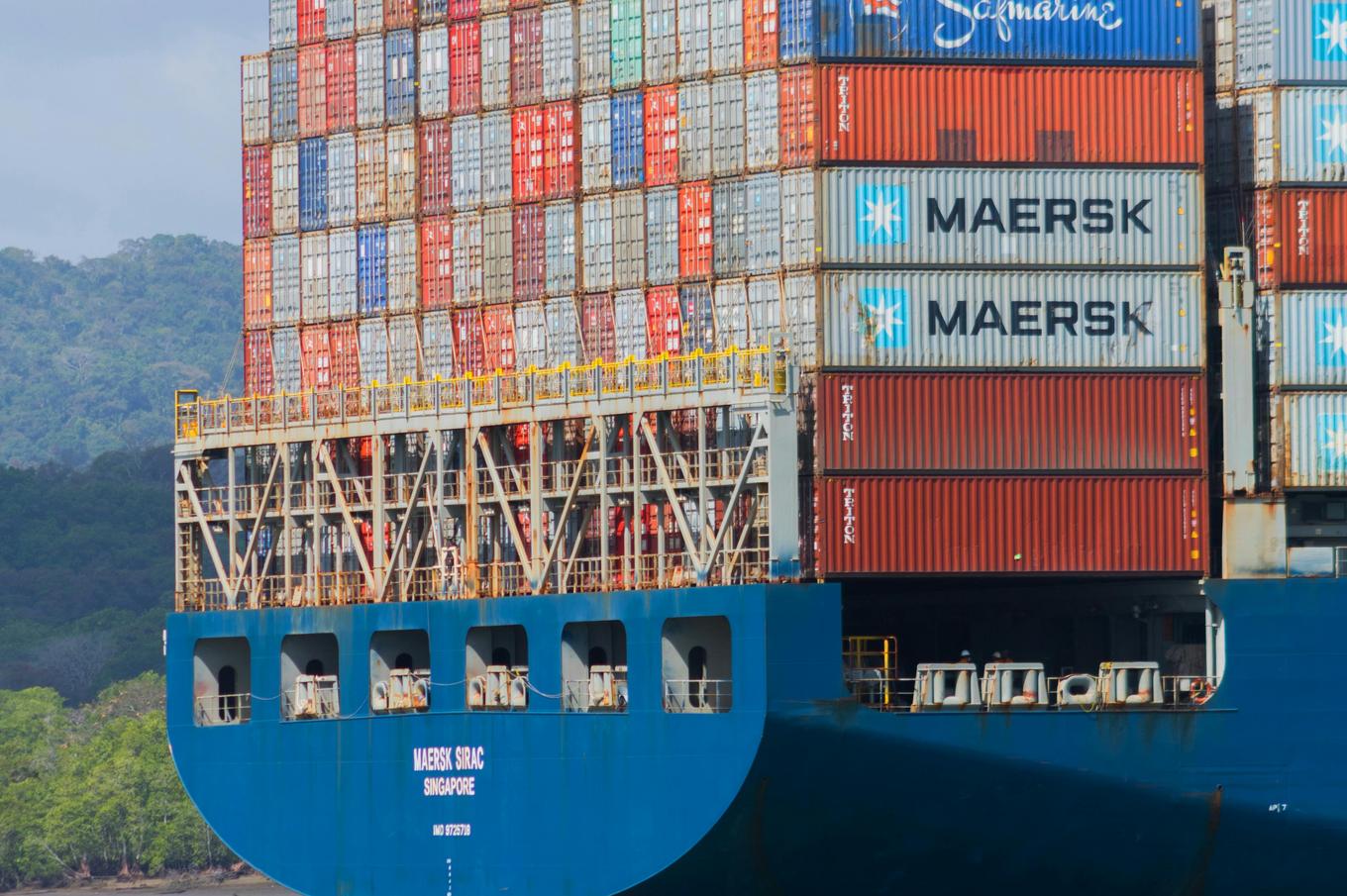
Under the new U.S.Customs regulations,importers must submit traceability documents covering all three tiers of the supply chain,including a detailed production-process flowchart,raw-material purchase invoices,and factory energy-consumption and operation records.These requirements will significantly raise the accuracy of origin verification and are designed to prevent “origin-laundering” schemes that rely on third-country transshipment.For goods deemed to originate from priority countries—Vietnam,Malaysia,Thailand,Indonesia,and Mexico—U.S.Customs will apply a “100-percent inspection” policy: every shipment entering the United States via those nations will undergo rigorous origin verification.
At the enforcement level,the cost of violations has risen sharply.The new system explicitly stipulates that,once an importer is found to have evaded tariffs,a penalty of 300 % of the tax amount will be imposed.In addition,U.S.regulators can claw back historical profits for up to ten years and freeze accounts,intensifying the financial deterrent against violations.This move not only increases the compliance burden on freight forwarders and traders but also sets a higher bar for risk-control systems across the entire supply chain.
It is worth noting that some members of the U.S.Congress are advancing the “Protecting American Industries and Workers from International Trade Crimes Act.” The bill mandates more forceful U.S.trade laws: for exports routed through third countries to evade tariffs,it imposes not only economic penalties but also criminal liability,including fines and imprisonment.This legislative push signals a stronger U.S.resolve to crack down on tariff-evasion schemes and is expected to take trade enforcement to the next level.
Market analysis indicates that this upgrade of the U.S.customs system will have a global impact.The market—especially trade models that rely on third-country transshipment channels—will be broadly affected.Relevant companies must conduct a comprehensive review of existing logistics and supply-chain plans,suspend shipments to the United States that transit through third countries,and ensure that all documentation is complete,authentic,and traceable.At the same time,exporters should closely monitor U.S.legislative and policy developments,assess alternative shipping and compliance options,and minimize trade risks and potential losses.
Industry observers believe that the United States’ tightening of its origin-verification system is a critical move amid the intensifying global trade frictions.The new rules will force global supply chains to become more transparent and compliant,but they will also raise trade costs and make it harder for goods exported to the U.S.to clear customs.As relevant U.S.legislation advances further,the pattern of international trade could undergo even more profound changes.
Was this helpful? Give us a like!
Contact our experts for compliance audits, precise quotes, and one-stop customs support.
Recent Comments (0) 0
Leave a Reply