
Export decline and tariff escalation occurring in tandem have drawn attention to the direction of global trade policy.
or complex compliance issues.
clearance and fund security.
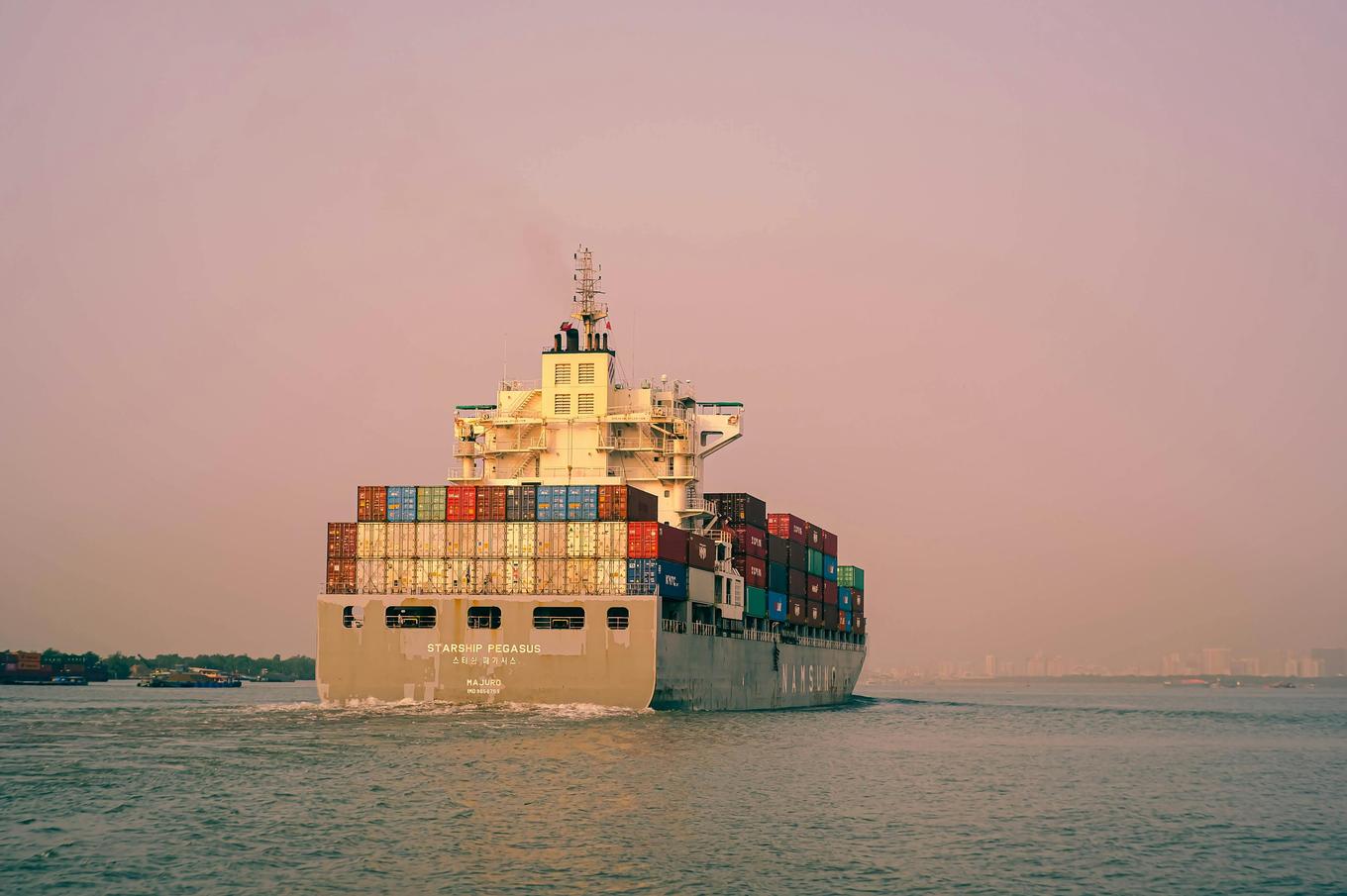
The reversal of South Koreas export situation poses new challenges to its economy
According to data released by the Korea Customs Service on April 21,South Korea’s total exports declined by 5.2% year-on-year in the first 20 days of April 2024,in stark contrast to the 5.5% increase in the same period of 2023.The decline in export data highlights the uncertainty of the global trade environment.Analysts believe that the rise of trade protectionism and global supply chain risks are putting pressure on export-oriented economies.Subsequently,the South Korean Ministry of Finance announced that it would extend the fuel tax relief policy until the end of June,attempting to alleviate the pressure of rising prices and slowing demand.The extended policy adjusts the tax reduction for gasoline,diesel,and liquefied petroleum gas.
Exports of fruits,vegetables,and rice in Southeast Asia face pressure
According to reports from Vietnam Customs Online and Vietnam News Agency,in the first quarter of 2024,Vietnam’s fruit and vegetable exports fell to $1.164 billion,a year-on-year decrease of 9.2%.Among them,exports to China plummeted by 31.3% to $521 million.During the same period,although rice exports increased slightly by 0.6%,the export value dropped by 19.7% to $1.14 billion.The main rice export market remains the Philippines,accounting for 42.1% of total exports.Multiple factors have led to short-term pressure on the profitability of Vietnam’s agricultural and food exports.
India and Nepal adjust their export structures
Affected by the tariff friction between China and Canada,India has started to accelerate the export of rapeseed meal to China.The relevant industry hopes that China will relax some import restrictions.It is expected that this move will bring an export increase of more than 10 billion rupees to India.Data from relevant Nepalese departments show that in the first 8 months of this fiscal year,the total value of automobiles imported from China has exceeded 7 billion rupees,and the number has reached 2,724,indicating the growth of regional demand for new energy transportation products.Changes in the energy and clothing export markets
Changes in the energy and apparel export markets
Due to the impact of OPEC+’s voluntary production reduction policy,Iraq’s exports of oil and its derivatives in the first quarter of 2024 decreased by 3% year-on-year,with the average daily export volume dropping from 3.81 million barrels to 3.70 million barrels.At the same time,Sri Lanka’s garment industry is facing the threat of equivalent tariffs imposed by the United States.Relevant industry associations predict that if the policy is implemented,exports to the United States will decrease by at least 25%,putting pressure on the survival of small and medium-sized garment enterprises.
The US Department of Commerce announced on April 21 that it will impose counter - vailing and anti - dumping duties of up to 3,521% on crystalline battery products from Cambodia,Malaysia,Thailand,and Vietnam.The intensity of anti - dumping and counter - vailing duties is unprecedented.Trade protection measures not only cover the photovoltaic field.The US also strongly requires Japan to expand imports from the US in areas such as agricultural products and automobiles,and launches a national security investigation into imported trucks and their parts,laying the groundwork for subsequent tariff - increasing actions.
The South American and African markets show resilienceBattery products are subject to unprecedented anti-dumping and countervailing duties of up to 3521%.These trade protection measures not only cover the photovoltaic sector,but the U.S.is also aggressively demanding Japan to increase imports of American agricultural products and automobiles,while launching a national security investigation on imported trucks and their components,laying the groundwork for potential tariff increases.
South American and African markets demonstrate resilience
In March,Argentina’s imports increased by 38.7%,while its exports declined slightly by 2.5%,resulting in a narrowing of the trade surplus to $323 million.Uruguay’s service exports have grown for four consecutive years,reaching a total of $6.948 billion in 2024,accounting for one-third of its total exports,reflecting the success of its economic restructuring.Due to the growth in exports of agricultural products such as coffee and cocoa,Uganda’s export revenue increased by 32.3% year-on-year in February,demonstrating the competitiveness of African agricultural products in the global market.
The global trade outlook is complex,with both risks and opportunities coexisting.
Latest from multiple countries around the worldData shows that the export market is clearly differentiated.Trade protectionism continues to grow,and there are different performances among countries in the adjustment of the industrial chain,as well as in energy and agricultural product exports.Experts believe that in the short term,there are still many uncertainties in the global foreign trade situation.Export - oriented economies need to accelerate structural adjustments and strengthen diversification strategies to cope with the complex situation and volatility risks in the global market.
Was this helpful? Give us a like!
Contact our experts for compliance audits, precise quotes, and one-stop customs support.
Recent Comments (0) 0
Leave a Reply