
France will impose an additional management fee on small parcels from China starting from 2025: Analysis of its impact and trends
or complex compliance issues.
clearance and fund security.
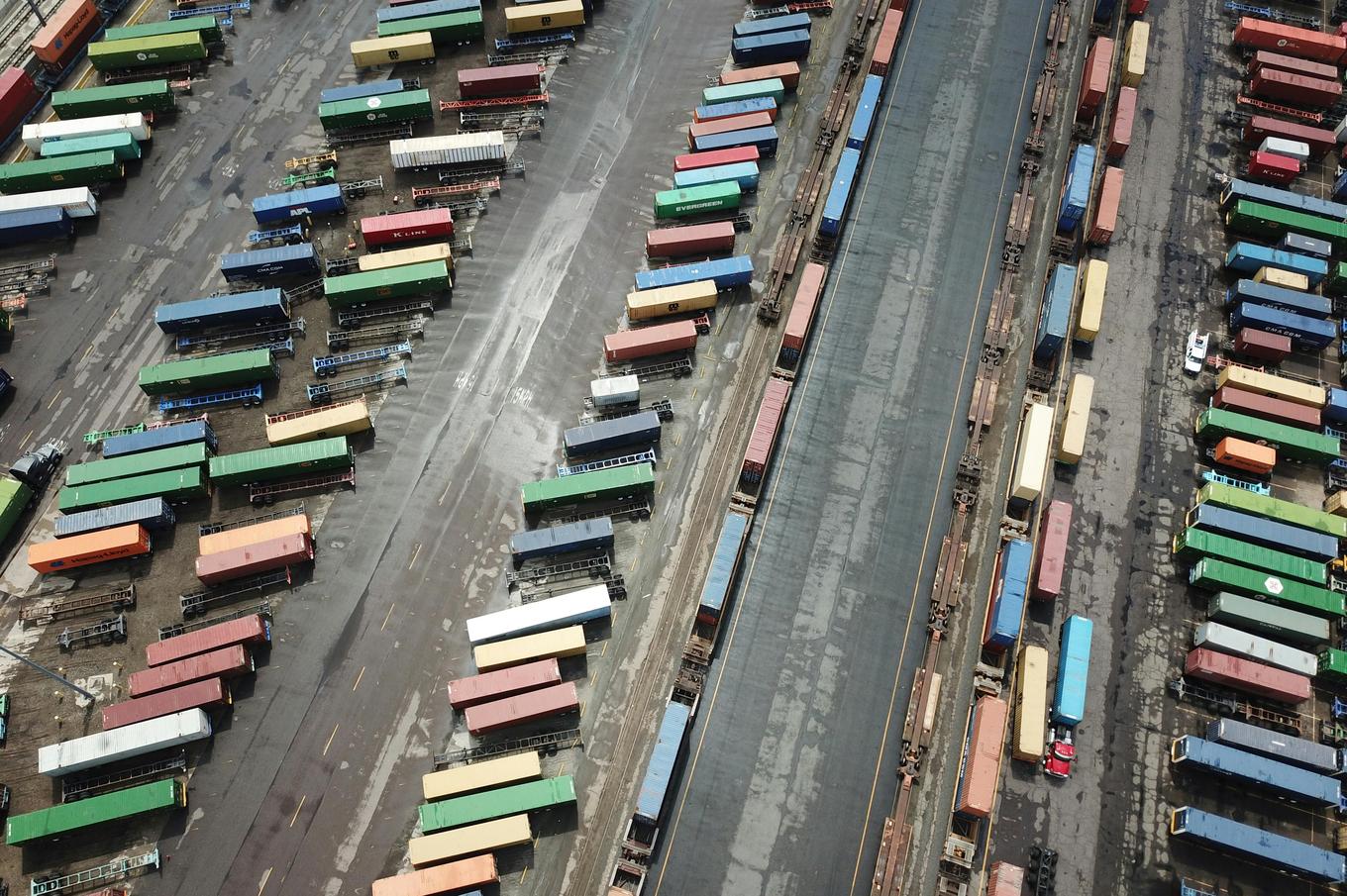
France announced that it will impose an additional management fee on small packages from China starting from 2025,aiming to curb the massive influx of cheap goods
PARIS,France—The French Ministry of Finance recently announced that starting from 2025,it will impose an additional management fee on small-value e-commerce packages from China.This is a transitional measure aimed at curbing the large-scale import of low-priced goods,maintaining fair competition in the domestic retail industry,and strengthening the supervision of imported goods.The policy was officially announced by the French Ministry of Finance on April 29 and is planned to be promoted at the EU level to address the current situation in a coordinated manner.market challenges in the field.
According to public data from the French Ministry of Finance,over 800 million small-value goods enter France annually through cross-border e-commerce platforms,with 91% originating from China.These parcels mainly consist of textiles,household items,and consumer electronics,primarily shipped via platforms such as Shein,Temu,and AliExpress.The French Ministry of Finance pointed out that while this trend meets diverse local consumer demands,it also brings multiple risks and challenges related to product safety,market fairness,and tax compliance.
To address the issue of massive small parcel imports and increasing regulatory difficulties,the French Ministry of Finance stated that each small parcel from China will be subject to additional administrative fees ranging from a few euros,with the principle that the fees should be borne by importers or platforms rather than directly passed on to consumers.This measure is expected to generate additional fiscal revenue for French customs,primarily used to fund stricter border commodity inspections,including product safety certification,brand authenticity verification,and tariff compliance.
The French Ministry of Finance emphasized that the reasons for implementing this policy are: First,some imported small parcels fail to meet safety standards and comply with French and EU consumer protection regulations.Second,the influx of large quantities of cheap goods puts pressure on local retailers and manufacturers.In recent years,French domestic manufacturers and retail industry associations have repeatedly urged the government to strengthen regulation of cross-border e-commerce goods to prevent unfair competition.Additionally,tax compliance has been listed as a key issue,as some parcels involve undervaluation and tax evasion,affecting public fiscal revenue.
Currently,EU regulations exempt small parcels with a single value below €150 from tariffs and impose looser regulations.Statistics show that in 2023,approximately 1.5 billion parcels processed by EU member states customs fell under the tax-exempt category,mainly from Asian countries,especially China.European local businesses have expressed strong opinions,arguing that this policy gives cross-border e-commerce platforms,primarily from China,a cost advantage and reduces the frequency of safety and compliance checks for goods entering the European market.
The European Commission plans to completely abolish the tax-exempt policy for small parcels (value below €150) starting from 2028.Against this backdrop,Frances introduction of transitional measures such as administrative fees is seen as paving the way for stricter EU-level regulations and accumulating experience and strength for future unified policy tightening.
Compared with the U.S.market,the United States is currently imposing high tariffs on Chinese imports.Since May 2,2024,it has suspended the duty-free treatment for all packages below $800 and imposed tariffs of up to 145% on some Chinese goods.This move has directly increased the cost of Chinese e-commerce platforms exporting to the U.S.and also put pressure on France and the EU’s cargo supervision policies.
Industry analysis suggests that Frances policy of increasing administrative fees on small parcels may prompt overseas e-commerce platforms to improve product quality and compliance standards while potentially raising the import costs of low-priced goods,affecting the pricing strategies and fulfillment models of international e-commerce platforms.However,the French government emphasizes that the fees will mainly be borne by platforms and importers,and the actual impact on consumers remains to be observed.
In the future,as EU member states gradually escalate regulatory measures for cross-border e-commerce goods,thetrade policies and industry landscape are expected to undergo adjustments.Experts generally believe that strengthening border regulation,enhancing product safety and compliance mechanisms,and improving the coordination of the EU internal market will be the main trends in China-Europe trade and international e-commerce development in the coming years.
Was this helpful? Give us a like!
Contact our experts for compliance audits, precise quotes, and one-stop customs support.
Recent Comments (0) 0
Leave a Reply