
EU Steel Imports From Russia Surge Amid Sanctions
or complex compliance issues.
clearance and fund security.
Surge in Russian steel imports
The European Union cannot do without the raw materials "made in Russia".In May 2024,the value of steel products imported from Russia by EU countries exceeded 373 million euros,which was the highest record since Russia began its military operations in Ukraine in 2022.Despite the ongoing Russia-Ukraine conflict and the multiple rounds of sanctions imposed by the West on Russia,Russia’s steel exports have still seen significant growth,demonstrating its competitiveness and irreplaceability in the global market.
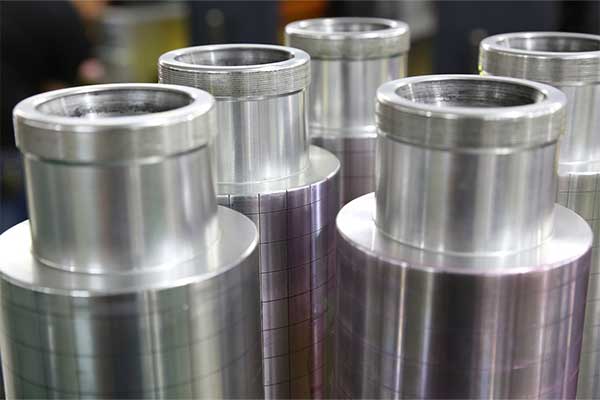
Major import categories and countries
Russias key metallurgical exports include semi-finished steel (€175 million) and ferroalloys (€81 million).Italy emerged as the largest importer of Russian steel,with purchases increasing 1.6-fold to €120 million.The Netherlands followed,with May imports surging 7.3-fold to €78.6 million,indicating strong EU market demand for Russian steel products.
Russia regains status as key exporter
With such import volumes,Russia regained its position as the EUs top ferrous metal exporter,trailing only South Korea (€366.4 million) and India (€353.8 million).This demonstrates Russias ability to maintain significant market share in global steel trade despite geopolitical tensions and economic sanctions.
Spain resumes imports
The increase in Russia’s export volume is partly attributed to Spain’s interest.After a three-month "pause for reflection," Spain resumed imports of Russian ferrous metals in April.In that month,Spain imported 21,300 tons of Russian iron and €8 million worth of steel.This demonstrates that even under the pressure of sanctions,market demand continues to drive countries to reassess and resume imports of Russian steel.
Overall trade volume declines
While May saw record Russian steel imports,overall EU-Russia trade volume dropped to €5.6 billion in April (latest data) - the lowest since 2000.This confirms sanctions impact,yet steels essential nature maintains growth despite restrictions.
Sanctions versus market demand dynamics
EU nations continue balancing sanctions with market realities.As fundamental material for manufacturing and construction,steel demand cannot be quickly replaced by alternative suppliers.Despite sanction pressures,market needs compel continued reliance on Russian steel,revealing complexities in global supply chain diversification.
Was this helpful? Give us a like!
Contact our experts for compliance audits, precise quotes, and one-stop customs support.
Recent Comments (0) 0
Leave a Reply