
US Eases Russia Bank Sanctions for Energy Deals
or complex compliance issues.
clearance and fund security.
Against the backdrop of ongoing geopolitical tensions and economic sanctions,the US government recently made adjustments to allow settlements related to energy sector transactions with some Russian banks.This policy change will remain in effect until November 1,2024,and the Russian banks involved includeKey financial institutions such as Bank,Sberbank,Alfa Bank,and Bank Saint Petersburg.Additionally,the U.S.government has permitted settlements with the Central Bank of Russia,marking a temporary easing of certain sanctions imposed on Russia in the energy trade sector.
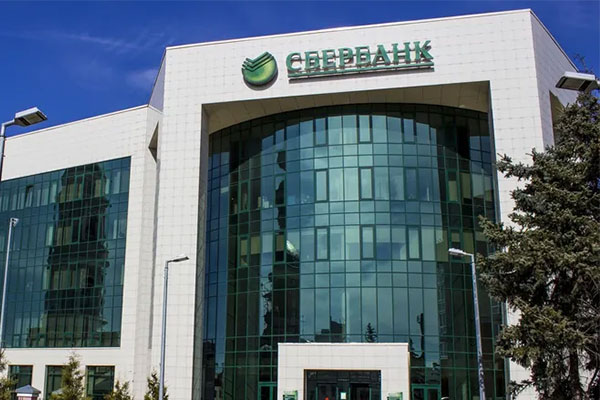
Previously,under the executive orders issued by the U.S.government,settlement activities with the aforementioned banks were subject to sanctions and prohibited.These sanctions were part of the U.S.response to the Ukraine crisis and other geopolitical actions by Russia,aimed at limiting the Russian governments ability to obtain funds through external trade.However,this adjustment reflects Russias critical role in the global energy supply chain and the complex balance the U.S.must strike between international relations and domestic energy needs.
The implementation of this policy has several key impacts and potential motivations.First,allowing settlements with these Russian banks for energy transactions may help stabilize the global energy market.In recent years,due to various factors including geopolitical tensions and the pandemic,the global energy market has experienced multiple fluctuations.By restoring partial banking operations with Russia,the U.S.may be seeking to mitigate global market instability by ensuring diversified energy supplies.
Second,this move could be a compromise within the broader U.S.international political and economic strategy.While pressure and sanctions on Russia remain,maintaining some flexibility in critical areas like energy supply could help alleviate economic pressures on the U.S.and its allies,especially amid current high global energy demand and rising prices.
However,this decision may also spark criticism.Critics might point out that even this temporary and limited permission to settle transactions with banks in sanctioned countries could be seen as a compromise with Russia’s actions.Moreover,the time limit of this policy—only until November 1,2024—also demonstrates the U.S.government’s caution in implementing this strategy and its uncertainty about future developments.
Finally,this change may also impact domestic policy.The stability of energy prices and supply directly affects costs for U.S.consumers and manufacturers.Against the backdrop of policymakers considering ways to reduce living costs for ordinary American families and support domestic economic activity,this limited engagement with Russian banks may be viewed as a necessary step.
Was this helpful? Give us a like!
Contact our experts for compliance audits, precise quotes, and one-stop customs support.
Recent Comments (0) 0
Leave a Reply