
Control Arm Import Costs: 20 Years of Optimization
or complex compliance issues.
clearance and fund security.
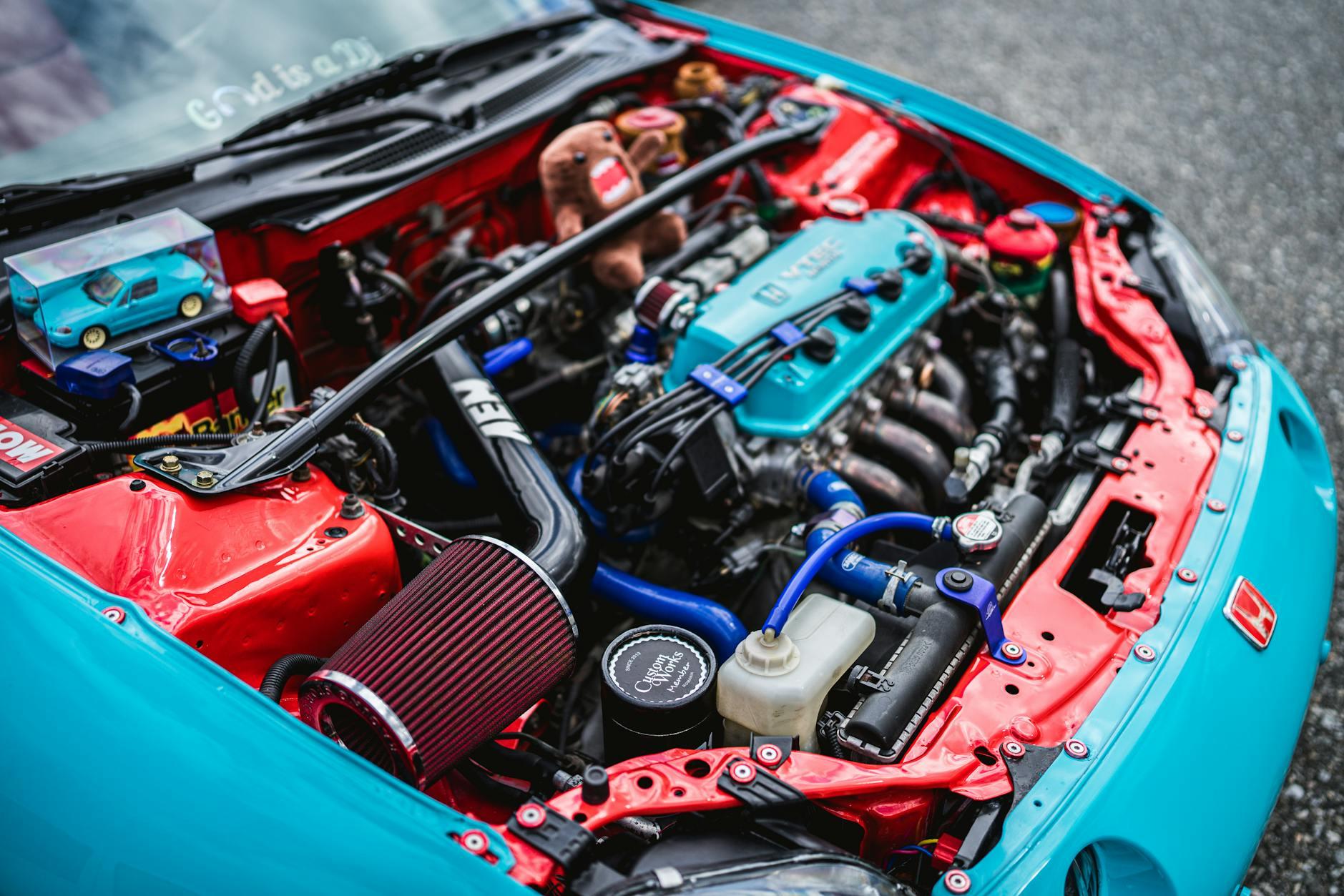
In the automotive aftermarket and maintenance sector,the control arm,as a core component of the suspension system,has seen a continuous increase in import demand.However,in international trade practices,over 60% of importers face rising hidden costs due to unfamiliarity with the composition logic of agency fees.Based on 20 years of agency service experience,this article provides an in-depth analysis of the key points for cost control in control arm imports.
I.Analysis of Import Characteristics of Control Arm Products
1.Material and Classification Particularity
The difference between cast iron and aluminum alloy materials directly affects HS code classification (8708.99/8708.50),with a potential tax difference of up to 3.5%.For some composite material products,it is necessary to apply for pre-classification in advance to avoid demurrage charges caused by customs inquiries.
2.Economic selection of transportation solutions
Given the characteristic of individual weights ranging from 25-35kg,it is recommended to adopt a palletized less-than-container-load (LCL) optimization solution.Actual test data shows that a standard 40HQ container can accommodate 1,200 control arms,and when the loading rate is increased by 23%,the unit freight cost can be reduced by 17%.
Note: Based on typical pricing from the EU to China in 2023.
II.Core Strategies for Cost Optimization
1.Preemptive supplier management
- RequestthemanufacturertoprovideamaterialreportcompliantwiththeGB/T26710-2011standard.
- Promotetheadoptionofnestablepackagingdesign(saving15%volumespace).
- Establisha"inspectionuponarrival"qualityassurancemechanism
2.Dynamic Modeling of Transportation Plans
- EstablishThebalanceformulabetweencycleandinventorycosts:
The optimal transportation cycle T=√(2S/DH)
(S: Single transportation cost,D: Monthly demand,H: Unit storage cost)
3.Technical Implementation of Compliance Management
- UtilizetheHSintelligentcomparisonsystemtoautomaticallymatchtariffratesunder15freetradeagreements.
- Establishamaterialdatabase:Monitoringthedeclarationdiscrepanciesbetween316LstainlesssteelandA356aluminumalloy.
4.Innovative Approaches to Tariff Planning
- BondedZone"Import"Theapplicationofthe"remanufacturing"policy
- OptimizationofthedutiablevalueinB2Bchannels
- ASEANFeasibilityverification(avoidinganti-dumpingrisks)
III.Analysis of typical cases
A German-funded brand’s maintenance center project in China:
- PainPoints:Annualimportvolumeof20,000units,withoverallcostsexceedingthebudgetby18%.
- Solution:
① Establish a bonded warehouse distribution center in Turkey to save 12% EU anti-dumping duties.
② Implement "door-to-door" temperature-controlled transportation throughout the entire process (to prevent deformation of rubber bushings).
③ Adopt the classification advance ruling procedure to reduce customs clearance time by 4.7 days.
Conclusion
The optimization of control arm import costs is essentially a reflection of supply chain fine management capabilities.By establishing a four-dimensional control model encompassing "product characteristics - transportation solutions - compliance management - tax planning," importers can reduce overall costs by 18-25%.It is recommended to select customs clearance agents with professional qualifications for automotive parts and overseas inspection emergency teams to build long-term cost advantages.
Was this helpful? Give us a like!
Contact our experts for compliance audits, precise quotes, and one-stop customs support.
Recent Comments (0) 0
Leave a Reply