
Japan Import Customs: Streamline Clearance
or complex compliance issues.
clearance and fund security.
Cross-border trade has become an important part of economic exchanges between countries.However,how to ensure the efficiency and compliance of import customs procedures,especially for goods involving food and industrial raw materials?Taking Japan as an example,its unique and strict customs clearance process plays a key role in ensuring the quality and safety of imported goods.This article will detail the process and procedures of Japanese import customs clearance,especially for general cargo and container ship goods.
General Procedures for Conventional Vessels and Container ShipsProcedures and Formalities
The import customs clearance process is a crucial step to ensure goods legally enter a country.In Japan,this process is particularly stringent.
(1) Goods Entering Bonded Areas
Imported goods are first transported to port bonded areas or other locations designated by customs.Key considerations at this stage include:
(1) Transportation and Storage: Bulk cargo must be stored in Container Yards (CY),while less-than-container-load (LCL) cargo is stored in Container Freight Stations (CFS).
(2) Bonded Area Regulations: If goods cannot enter bonded areas due to special circumstances,customs may permit storage at other designated locations,but bonded area regulations must still be followed.
(2) Import Declaration
Import declaration is one of the most critical steps in import clearance.Required documents include:
(1) Import Tax Declaration Form: Three copies must be submitted.
(2) Supporting Documents: Including commercial invoices,packing lists,freight and insurance cost statements,tariff and consumption tax payment documents,etc.
(3) Proforma Invoice: If formal commercial invoices are unavailable,importers must prepare and submit proforma invoices to obtain import permits.
(3) Import Inspection
Japanese customs conducts different types of inspections based on cargo categories and risk levels,including sampling inspections and comprehensive inspections.
(1) Inspection Methods: Inspections may be conducted at yards,barges,cargo ships,or inspection sites.
(2) Special Commodity Inspections: Additional quarantine and disease prevention inspections are required for imports like plants,animals,their products,and food items.
(4) Import Permit
After completing the above steps,importers must pay tariffs and potential consumption taxes before obtaining import permits from customs.
(1) Tax Payment: Import taxes must be paid at the Bank of Japan or its authorized agencies.
(2) Cargo Extraction: With an import license,importers can withdraw goods from the bonded area.
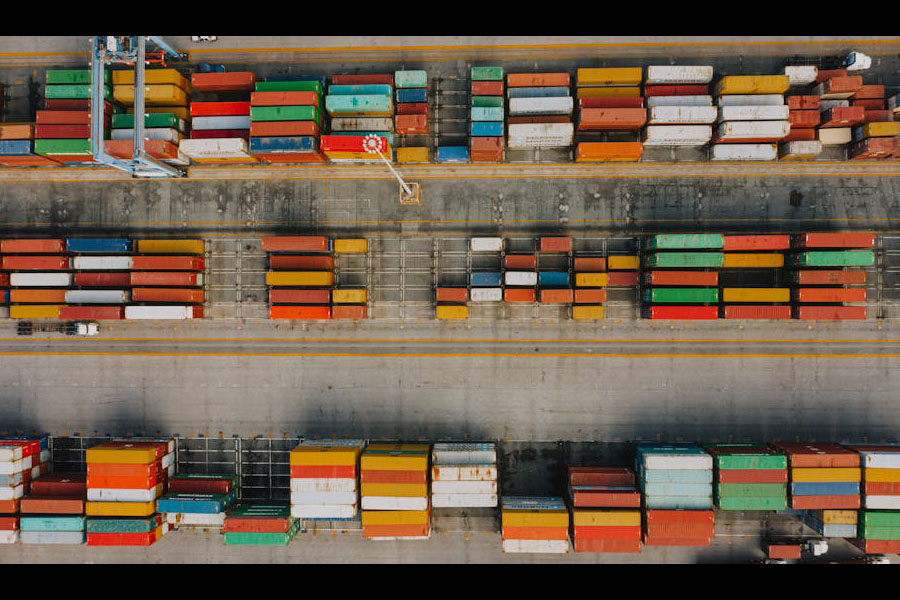
Customs Clearance for Container Ship Cargo
Container ship cargo clearance has its particularities,typically involving more complex scheduling and location selection.
(1) Document Preparation and Submission
(1) List of Imported Animal Goods or List of Imported Plant Goods: This is submitted by the port container yard administrator before the cargo ship arrives.
(2) Cargo Manifest and Unloading Application: These documents must be submitted to customs immediately after the cargo ship arrives.
(2) Clearance Locations
(1) Container Yard: Most containerized cargo completes clearance procedures here.
(2) Dock Bonded Storage Yard and Inland Warehouses: These are alternative clearance locations,especially when goods need to be transported directly to inland areas.
Through the detailed steps and requirements outlined above,its evident that Japans import clearance process is not only strict but also complex.For businesses looking to import goods into Japan,understanding these procedures is key to successfully entering the Japanese market.Each step must be strictly followed,as even minor errors can lead to cargo delays or more severe consequences.Therefore,familiarity with and preparation for these processes are crucial for ensuring smooth cargo clearance.
Was this helpful? Give us a like!
Contact our experts for compliance audits, precise quotes, and one-stop customs support.
Recent Comments (0) 0
Leave a Reply