
China Craft Beer Imports: Customs & Supply Chain Guide
or complex compliance issues.
clearance and fund security.
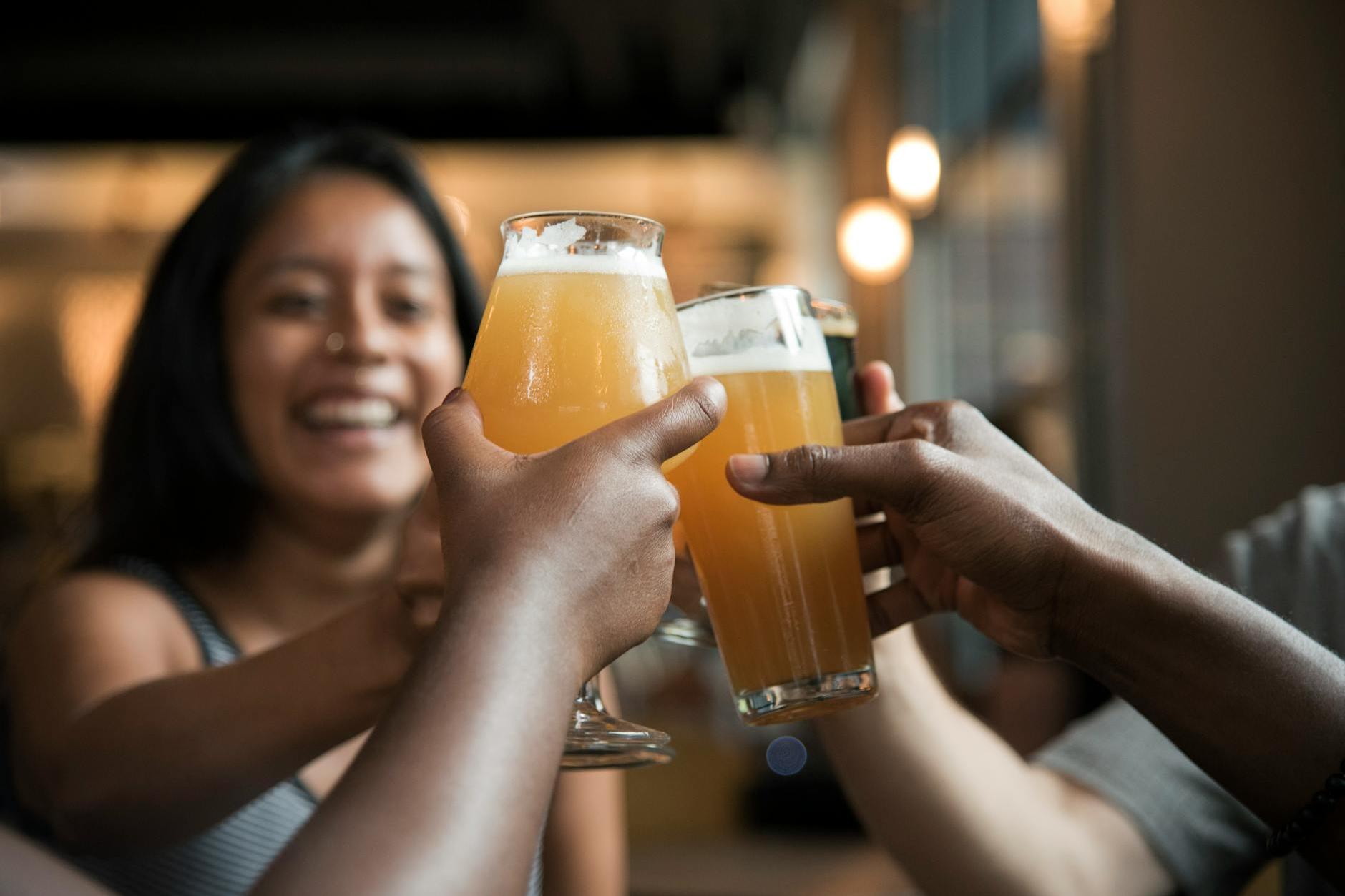
When Craft Beer Meets Chinese Customs
In the first quarter of 2025,China’s imported craft beer volume increased by 18% year-on-year,but during the same period,37% of the goods were subject to inspection upon their first declaration.As a veteran in the food import industry,I often see enthusiastic entrepreneurs only starting to research HS codes after the containers arrive at the port—it’s like bringing raw steaks to a cooking competition,where the outcome is already predetermined.
Choosing an agent isn’t like picking a restaurant—qualifications are what truly matter.
Truly ProfessionalThe most prominent spot in the office is always reserved for three documents:
- FoodCirculationLicense(Duplicate):Notethattheissuingauthoritymustincludethe"alcohol"businesscategory.
- CustomsAEOcertification:Priorityisgiventoadvancedcertifiedenterprises,withtheinspectionratepotentiallyreducedto20%ofthatforregularenterprises.
- ListofRegisteredOverseasManufacturersforImportedFood:Onlythosewhocanimmediatelydisplaytheregistrationnumberofthecooperativewineryarereliable.
Three temperature zones in supply chain management
Craft beer is extremely sensitive to temperature fluctuations.We once used an infrared thermal imager to track the transportation process of a certain Belgian brand:
| Transportation link | Ideal temperature | Common mistakes |
|---|---|---|
| Paragraph | 4-8℃ | Not required to provide temperature curve records from the shipping company. |
| Bonded warehousing | 15-18°C | Use a regular constant temperature chamber instead of a light-proof chamber. |
| Last-mile delivery | ≤25°C | The clause "rejection due to temperature exceeding the limit" was not agreed upon. |
The "Three Primary Colors" Principle of Customs Declaration
Last year,we handled a typical case: Due to a declaration oversight,2,000 cases of American craft beer were detained at the port for 47 days.The issue arose from:
- Determinationofcountryoforigin:Hopsorigin≠fillinglocation≠breweryregistrationlocation
- Rawmateriallabeling:Specialadditives(suchascoffee,vanilla)requireseparateregistration.
- Originalfactorycertificate:TheABV(AlcoholbyVolume)valuemustbecompletelyconsistentwiththeChineselabel.
The fine-print traps in those agency contracts
Recently,while reviewing contracts for clients,I discovered that some clauses are even more intense than the bitterness level of hops:
- The"tax-inclusive"clausemayresultinanactualtaxburden3-5timeshigherthannormaldeclaration.
- Thevaguedefinitionof"end-to-endcoldchain"makesitdifficulttoprovideevidenceforclaimsrelatedtotemperatureexceedances.
- Thehiddenlistofportmiscellaneousfeesmayincludeoutdateditemssuchascanceledfumigationfees.
Craft beer is not a fast-moving consumer good; a slow business requires quick responses.
Last year,a certain emerging brand had to return its shipment worth 800,000 yuan during customs clearance due to failing to promptly update the new regulations on Australian wine imports.In fact,simply following these three steps could have avoided the risk:
- Monthlyverification"CatalogueofCountriesandRegionsPermittedforImportingAlcoholicBeverages"Update
- EstablishFormulaPre-reviewMechanism(especiallyexperimentalwinebatches)
- ---Real-timeCustomsClearanceProgressDashboard
Witnessing an increasing number of young people embracing the craft beer culture,as an industry veteran,I feel both gratified and nervous.Import trade is never just about the physical movement of goods; it’s about building a secure channel with professionalism—after all,no one wants that bottle of craft beer that has traveled across oceans to end up as a "vintage treasure" in customs storage.
Was this helpful? Give us a like!
Contact our experts for compliance audits, precise quotes, and one-stop customs support.
Recent Comments (0) 0
Leave a Reply