
Imported Organic Wine OEM Guide: Dismantling Certification Mutual Recognition & Supply Chain Risks
or complex compliance issues.
clearance and fund security.
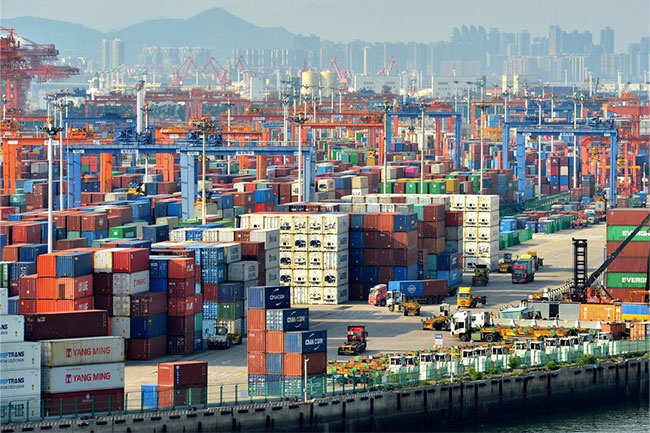
You think just getting an EU organic certificate will help you sell well in the Chinese market?But 90% of buyers fail at the "certificate mutual recognition" stage.After interacting with countless distributors trying to transition to high-end red wine,I’ve found that the biggest pain point often isn’t the wine’s taste,but rather ignoring the strict definition of "organic" set by customs authorities.Once labels are deemed non-compliant or certificates expire,the entire shipment faces not only recall but also potential destruction if trace amounts of sulfites exceed regulatory limits during inspections.
The invisible threshold of organic wine: It’s not just about "not using pesticides"
Imported organic red wine is a special regulated food product,with a supply chain far more complex than that of ordinary table wine.The core challenge lies in "dual compliance": it must meet the organic regulations of the exporting countries (such as France and Italy) and also comply with the standards of China’s "Organic Product Certification Management Measures" and GB/T 19630.Many buyers only focus on the winery’s organic label,but overlook the importer’s registration qualifications with China’s CNCA (National Certification and Accreditation Administration Committee).
| Regulatory Dimension | Ordinary imported red wine | Imported organic red wine | Risk Level |
|---|---|---|---|
| Documentation Requirements | Health certificate,free sale certificate | The above-mentioned documents + Organic Product Certification Certificate(Chinese & English) + Organic Sales Certificate | High (indispensable) |
| Label review | Regular ingredients list,alcohol content | It is necessary to mark the Chinese organic product logo and the name of the certification agency (17-digit organic code). | Extremely High (Customs Priority Inspection) |
| Additive Restrictions | Conform to OIV standards (such as containing sulfites) | Strictly limit (usually requiring a total sulfur dioxide content of less than 100 mg/L,and no chemical synthesized substances are allowed). | Chinese (requires a laboratory test report) |
| Logistics isolation | Mixed loading of ordinary containers | Must be [separated] from non-organic productsEffective isolationPrevent pollution | Low (easily overlooked) |
4 Steps to Identify Reliable Manufacturers for SOP
Don’t just look at the winery’s PPT.You must conduct a "thorough" due diligence through the following process.
Step 1: Verify the "two-way validity" of the certificate. Output:
Many wineries claim to use "organic farming",but they haven’t obtained certification for the processing stage.You need to verify this:
- Exportcountrycertification:ItisrequiredtoprovidescannedcopiesoforganiccertificatesfromEUorUSofficialorganizationssuchasECOCERTandDEMETER,andtoverifytheirvalidityperiods.
- China’sentryapproval:CheckwhetherthecertificationbodyisregisteredwiththeChinaNationalCertificationandAccreditationAdministration(CNCA)andwhethertheproductisincludedinthe"OrganicProductCertificationCatalogue".Redwinemustbelistedinthecatalogue,otherwiseitcannotbedeclaredasorganic.
Step 2: Request the "Organic Sales Certificate" (Transaction Certificate) Output:
This is a crucial document that many experienced exporters often overlook.For every batch of organic red wine exported to China,the winery must apply for a specific sales certificate from the certification authority to prove that the goods in that batch truly come from an organic certification system.Without this document,Chinese customs will not recognize their organic status.
Step 3: Review the "identity retention" agreement of the supply chain Output:
If you are looking for an agent or an OEM manufacturer,you must sign an IP (Identity Preservation) agreement.The agreement clearly stipulates the following requirements:
- Onthefillingline,CIPcleaning(cleaninginplace)mustbecarriedoutbeforeeachorganicbatch.
- Thestorageprocessmustbephysicallyisolated,anditisstrictlyprohibitedtomixitwithordinaryredwine.
- Transportationcontainersmustundergoaharmlesstreatmentcertificationprocess.
Step 4: Pre-customs clearance label review Output:
Before the goods leave the port,send the designed Chinese labels to the pre-audit agency of commodity inspection.Special note:
- 17-digitorganiccode:Itmustbeacoatedscratch-offlabelandcanbeverifiedonthe"ChinaFoodandAgriculturalProductsCertificationInformationSystem".
- Ingredientslist:Theterm"sulfurdioxide"cannotappear(unlessitisnaturallypresentandbelowthethreshold),anditisusuallylabeledas"containssulfites"ornotlabeledatall(dependingontheimplementationofspecificnationalstandards.Itisrecommendedtoconsultaprofessionalcustomsbroker).
Only experienced people know the unspoken rule of "maintaining one’s identity".
An open secret in the industry is that many small wineries use grapes from the "conversion period" to pass themselves off as fully organic in order to save costs.According to regulations,products from the conversion period (the first three years of transition from conventional farming to organic) can only be labeled as "organic conversion products" and cannot be directly called "organic red wine".If you do not explicitly require "100% Certified Organic Grapes" in your contract,suppliers are highly likely to mix in materials from the conversion period to reduce costs.Additionally,it’s crucial to be aware of the differences between "Biodynamic" and "Organic".Currently,there is no independent legal definition of "Biodynamic" in China.Such products can only be imported as organic products and cannot be sold separately as biodynamic products,which will directly affect your pricing advantage.
3 Things You Can Do This Afternoon
- Verifythecertificate:FindtheorganiccertificatesofyourcurrentsuppliersandlogintotheCNCAofficialwebsitetocheckwhethertheorganizationisontheaccreditationlist.
- Checkthecontract:Checkwhethertherearedetailedprovisionson"batchinspectionreports"and"returnshipmentclauses"intheprocurementcontract,especiallytheliabilityforbreachofcontractregardingthecontentofsulfite.
- Simulatedquery:Takeabottleoforganicredwinecurrentlyonsale,scratchoffthecoatingtochecktheorganiccode,andseeifitcanbetracedbacktoaspecificforeignwineryandbatchnumber.
Was this helpful? Give us a like!
Contact our experts for compliance audits, precise quotes, and one-stop customs support.
Recent Comments (0) 0
Leave a Reply