
Resolve International Payment Issues: A Trade Guide
or complex compliance issues.
clearance and fund security.
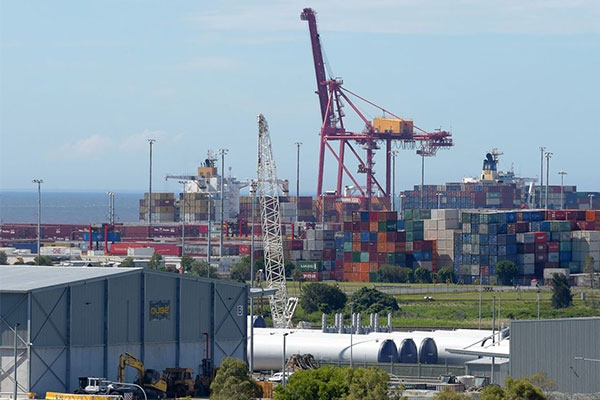
When familiar payment channels suddenly fail
Recently encountered a quite typical case: afriends long-term Dubai client suddenly made payment from a Turkish account this time,resulting in the finance department being unable to.This situation is actually not uncommon in our foreign trade circle,similar to an Iranian client case I handled last year where the client insisted on using a UAE account for payment,leading to the bank requesting a full 12 supporting documents.
Why are banks particularly sensitive to remittances from certain countries?
First,understand the banks concerns.Based on my experience,international remittances getting blocked usually have three main reasons:
- Sanctionslistrisk:CountrieslikeTurkeyandIranappearoncertaininternationalsanctionslists
- Anti-moneylaunderingrequirements:Banksneedtoensurefundflowsmatchtradebackgrounds
- Verificationoftradeauthenticity:Preventcross-borderfundflowswithfabricatedtradebackgrounds
I remember in 2018 our company handled aorder from Turkey where just a 0.5% discrepancy between the HS code on the customs declaration and the invoice description resulted in $800,000 of payment being frozen for a full 45 days.
Three steps to resolve settlement difficulties
Step 1: Establish effective communication with the bank Output:
Many salespeople habitually let finance departments handle bank communications,which is actually a misconception.Recommendations:
- Contactthebanksforeignexchangedepartmentaccountmanagerdirectly
- PrepareanEnglishversionoftransactionbackgroundexplanation(includingpayer,consignee,andgoodsdetails)
- Askspecificallywhichdocumentsneedsupplementation,preferablyobtainingwrittenrequirements
Step 2: The golden 24 hours for document preparation Output:
Based on my experience handling 30+ similar cases,these documents are essential:
- Dual-headercontract:MustshowboththeTurkishpayerandactualconsignee
- Mirrorinvoice:Amountanddatemustexactlymatchpaymentslip
- Logisticsproof:Shippedgoodsrequireabilloflading,whileunshippedgoodsrequireabookingconfirmation+productionschedule
- Situationstatement:Explanationforwhythepayerdiffersfromthecontractbuyer
Last year,a technique proved extremely helpful: having the Turkish payer issue aFunds payment authorization letterNotarized document stating its payment on behalf of the Dubai company,which significantly improves bank acceptance rates.
Step 3: Preparing Plan B is never too early Output:
If documents cannot be fully completed,consider:
- Negotiatingwiththeclienttoreissuepaymentfromanacceptablecountry(keeporiginalremittancerecords)
- Usinganoffshoreaccountastransition(mustverifycomplianceoffinalreceiptpath)
- Convertingpaymentintoadvancefornextorder(requiresamendmentofsubsequentcontractterms)
The Pitfalls Weve Encountered Over the Years
A real lesson: In 2019,we had a Syrian client paying through Lebanon.At the time,we thought the documents were complete and didnt pay attention.Half a year later,the bank suddenly requested additionalEnd-user declaration,but the client had already disappeared.Ultimately,we had to obtain certification through the commercial office of our embassy to unfreeze the funds.
Several easily overlooked risk points:
- Clientsmaydeliberatelydelaypaymentduringexchangeratefluctuations(recommendpurchasingcreditinsurance)
- Third-partypayerssuddenlyappearingonsanctionslists(requireregularverification)
- Bankpoliciesmaychangeunexpectedly(maintainrelationshipswithatleast3banks)
Building your risk firewall
Based on 20 years of foreign trade experience,Ive developed a3×3 protection mechanism:
- Beforesigningcontracts:Verifysanctionstatusofpayerscountry,preparealternativepaymentroutes
- Duringproduction:Ensurelogisticsdocumentsmatchpaymentinformation,regularlyupdatebanksonprogress
- Afterreceivingpayment:Retaincompletedocumentationforover5years,establishclientpaymenthabitarchives
Recently designed for a Shenzhen electronics company,theirDynamic payment solutionhas proven highly practical: Automatically matches different document requirements and collection accounts based on clients country risk level,reducing foreign exchange settlement issues by 78% after six months of implementation.
Foreign trade collection is like playing chess - you need to execute each current move well while anticipating the next three to five possible moves.When encountering unconventional payment methods next time,reviewing the key points of this article may save you considerable trouble.
Was this helpful? Give us a like!
Contact our experts for compliance audits, precise quotes, and one-stop customs support.
Recent Comments (0) 0
Leave a Reply