
Sea vs. Land Transport: Optimizing Russia Shipping Routes
or complex compliance issues.
clearance and fund security.
In the complex network of international trade,the choice of logistics routes significantly impacts a companys operational efficiency and cost control.This is particularly true for companies exporting to Russia,where the decision betweenor land transport requires careful consideration.
Land Transport: The Advantage of Proximity
China and Russia share a 4,300-kilometer border,providing convenience for land transport.There are two main land routes: one from northeastern China crossing into Russias Chita Oblast,Amur Oblast,Jewish Autonomous Oblast,Khabarovsk Krai,and Primorsky Krai; the other starts from Xinjiang,passes through Alashankou,and traverses Kazakhstan,Belarus,and other countries before entering Russia.
Land transport primarily includes road and rail transport.Road transport takes longer but is cost-effective for large cargo.Rail transport,especially the emerging full-container rail transport,can safely and efficiently move bulk cargo,though with longer logistics times.
Sea Transport: Extensive Routes
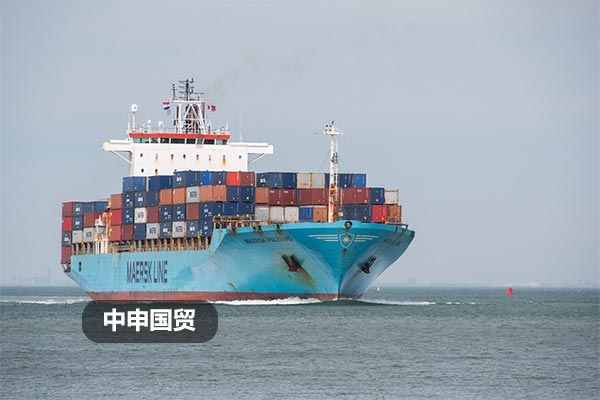
Compared to land transport,sea transport is less commonly used for Russian freight due to Russias high latitude,cold climate,and limited ice-free ports.However,as the most cost-effective and high-capacity freight method,sea transport remains favored by some large companies.
In summary,the choice between sea or land transport depends on a companys specific circumstances and cargo characteristics.This article aims to provide a deeper understanding of Russian freight options and serve as a reference for your export business.
Was this helpful? Give us a like!
Contact our experts for compliance audits, precise quotes, and one-stop customs support.
Recent Comments (0) 0
Leave a Reply