
UN38.3 Testing: Ensuring Safe Lithium Battery Transport
or complex compliance issues.
clearance and fund security.
With theWith the development of technology,lithium - ion batteries have been widely used in fields such as electric vehicles and mobile electronic devices.However,due to their unique chemical properties,the safe transportation of lithium - ion batteries has become a global concern.Today,we will discuss the importance of the UN38.3 test and its test contents to ensure the safety of lithium - ion batteries during transportation.
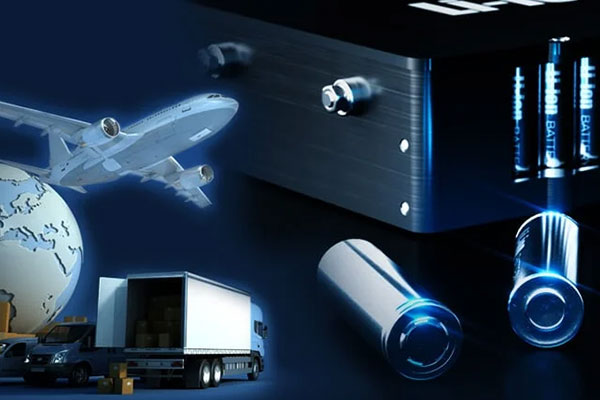
I.Lithium - ion battery transportation requirements
Due to their flammable characteristics,lithium - ion batteries are classified as Class 9 dangerous goods in road transportation.According to the Road Transport Rules for Dangerous Goods (JT/T 617 - 2018),lithium - ion batteries and their equipment must meet specific safety standards before transportation.The most core of these is to pass the performance test in Section 38.3 of the Recommendations on the Transport of Dangerous Goods - Manual of Tests and Criteria of the United Nations (referred to as UN38.3).
These regulations ensure that when lithium - ion batteries are affected by external factors (such as high temperature,impact,short - circuit,etc.),they can react in a safe manner,thus minimizing potential safety risks.
II.UN38.3 performance testing
The UN38.3 test is conducted to verify the safety of lithium batteries during transportation,including the following core tests:
Altitude simulation test: Simulate the pressure change environment of lithium - ion batteries at high altitude (such as under flight conditions) to ensure that the battery does not leak,ignite or explode due to air pressure changes.
Thermal test: Evaluate whether the lithium - ion battery can work safely under extreme temperature changes,ensuring that there are no safety hazards in an environment of - 40°C to + 75°C.
Vibration test: Simulate the vibration environment during transportation to ensure that the battery does not leak,ignite or explode after being vibrated.
Impact test: Evaluate the safety performance of the lithium - ion battery after being subjected to strong impact or collision,preventing safety problems caused by impact in actual transportation.
Crash test: Simulate the possible collisions that lithium - ion batteries may suffer during transportation to ensure that their safety is not affected.
External short - circuit test: Evaluate the reaction of the lithium - ion battery under external short - circuit conditions to ensure that it does not cause a fire or explosion due to short - circuit.
Over - charge test: Examine the stability and safety of the lithium - ion battery under over - charge conditions,preventing safety problems caused by over - charging.
Forced discharge test: Evaluate the safety performance of the lithium - ion battery under forced discharge conditions to ensure the safety of the battery under extreme conditions.
III.Test implementation and compliance requirements
To pass UN38.3 testing,lithium battery manufacturers need to send battery samples to professional testing institutions for inspection.After passing the tests,they will obtain the corresponding certification report,which serves as an important credential for commercial transportation of lithium batteries.
At the same time,the transportation of lithium - ion batteries also needs to meet the specific requirements of various means of transportation (such as air,land transportation),including proper packaging,labeling and transportation documents.In particular,all companies and individuals transporting lithium - ion batteries must understand and comply with the latest international and domestic regulations and standards regarding the transportation of lithium - ion batteries.Due to the potential safety risks of lithium - ion batteries,the UN38.3 test has become an important standard to ensure their safety during global transportation.Manufacturers,transportation companies and all individuals related to the transportation of lithium - ion batteries must strictly abide by relevant regulations and standards to ensure that every lithium - ion battery is transported under safe conditions.In this way,we can not only protect the safety of humans and the environment,but also promote the sustainable development of new energy technologies.
Export packaging cost management: Wooden frame and wooden box strategies
Was this helpful? Give us a like!
Contact our experts for compliance audits, precise quotes, and one-stop customs support.
Recent Comments (0) 0
Leave a Reply