
Importing Engines from Japan: Key Process Guide
or complex compliance issues.
clearance and fund security.
Introduction
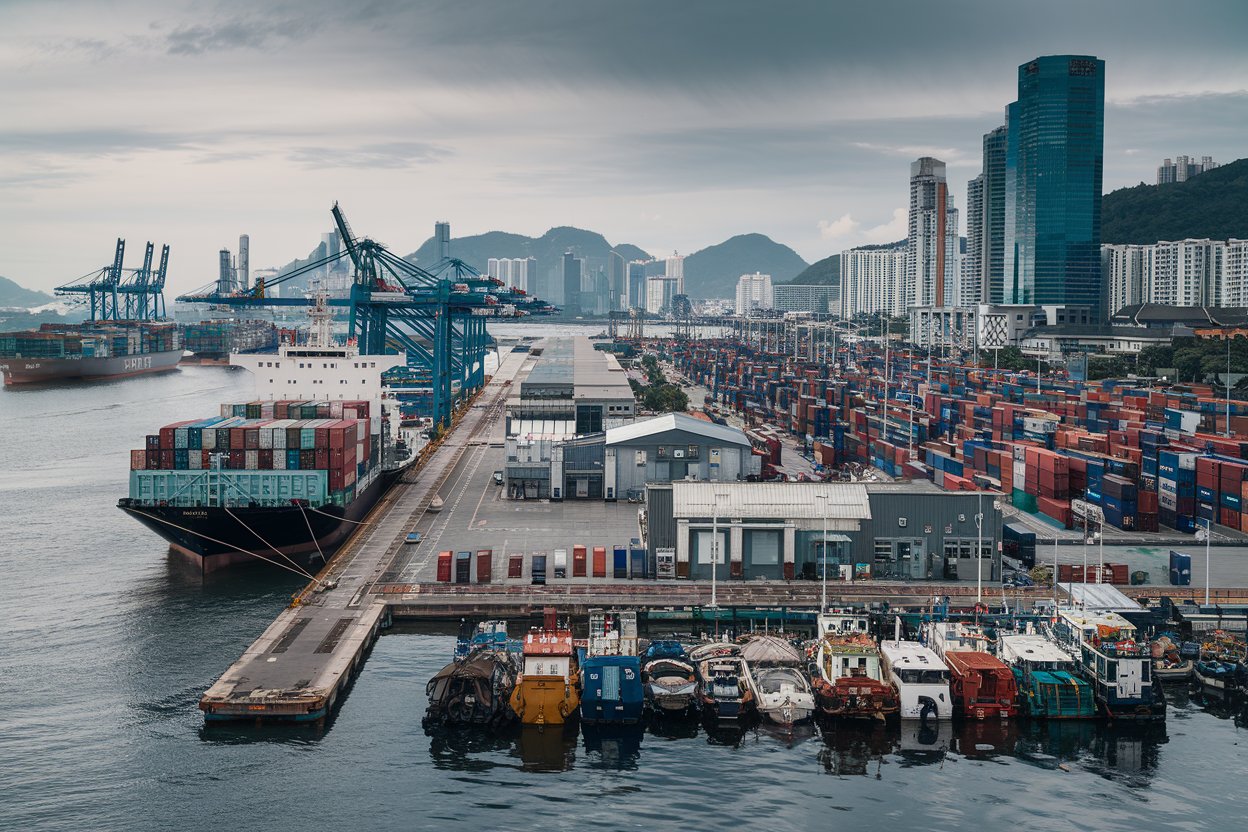
In the grand scheme of global trade,importing engines from Japan serves as a crucial pathway for numerous enterprises to expand their business and enhance competitiveness.However,international trade involves intricate processes,encompassing documentation handling,logistics arrangements,and.Methods,product certification,and many other aspects.Next,we will provide a detailed analysis of the key points in the process of importing engines from Japan.
Professional document processing and logistics arrangement
Imported engines require accurate and timely document processing as the top priority.In terms of documentation,a commercial invoice is indispensable—it must detail key information such as the engine’s specifications,model,price,and quantity,serving as the core transaction document.The packing list should clearly describe the packaging conditions of the engine,including packaging type,dimensions,and weight,facilitating customs inspection and logistics planning.The bill of lading,as a document of title,must be prepared meticulously to ensure unambiguous ownership of goods during transportation.
Logistics arrangements are equally crucial.From Japan to China,It is a common choice.Based on the engine’s size,weight,and delivery time requirements,selecting the appropriate container type is crucial.For large engines,specialized containers may be necessary to ensure safe transportation.Additionally,it is essential to communicate with the shipping company in advance to book cargo space,avoiding delays in shipment due to peak-season capacity shortages.During transit,real-time tracking of the cargo’s status ensures timely and safe arrival at the destination port.
Russian Market: Advantages of VTB’s Foreign Exchange Settlement
If the imported engine business involves the Russian market,our company has unique advantages in foreign exchange settlement.Taking the VTB Bank channel as an example,its settlement process is relatively convenient and efficient in trade with Russia.Typically,after the goods are shipped and the required documents are submitted,foreign exchange settlement through VTB Bank ensures faster fund receipt.The specific process is as follows: after the exporter ships the goods according to the contract requirements,they submit documents such as the bill of lading and commercial invoice to the VTB Bank branch in Japan.Upon verifying the documents,the branch issues a payment instruction to the VTB account of the Russian importer.Once the importer confirms,VTB Bank can complete the fund transfer,significantly shortening the settlement cycle and reducing capital occupation costs.
Southeast Asian Market:Process and Solution
For the Southeast Asian market,the process of importing engines must comply with local trade regulations.The first step is applying for an import permit,as different countries have varying requirements for engine imports.Taking Indonesia as an example,detailed information such as the intended use and technical specifications of the imported engines must be submitted to the relevant industrial department.Upon approval,the import permit will be granted.
Before the goods arrive at the port,customs clearance procedures must be completed.When declaring customs,accurately fill out the customs declaration form and provide detailed information about the goods,including the brand,model,and origin of the engine.Additionally,prepare necessary documents such as the commercial invoice,packing list,and bill of lading.Customs will inspect the goods based on the declared information.If the declared information does not match the actual goods,penalties may be imposed,or the goods could be detained.
Regarding logistics solutions,considering the numerous islands and complex transportation networks in Southeast Asia,for some island nations such as the Philippines,a combination of sea and land transportation may be necessary.The engines can first be shipped by sea to major ports and then transported inland to their final destinations.
Challenges and Opportunities in the Current International Trade Landscape
The current international trade situation is unpredictable and volatile.The rise of trade protectionism,with some countries frequently implementing measures such as tariff hikes,may exert upward pressure on the costs of importing engines from Japan.For instance,certain nations have imposed high tariff barriers on imported engines to protect their domestic engine industries,directly increasing import costs.
However,opportunities also coexist.With the Regional Comprehensive Economic Partnership (RCEP) coming into effect,regional trade has become more convenient.For Southeast Asian countries that,like Japan,are RCEP members,more favorable tariff policies can be enjoyed when importing engines.Meanwhile,the development of digital trade has also provided new avenues for import businesses.The application of electronic documents has improved the efficiency of document processing and reduced trade costs.
Product Certification Services
Importing Japanese engines requires product certification as a critical step.As essential equipment,engines must comply with the relevant certification standards of the importing country.In China,mandatory product certification (CCC certification) may be required to ensure compliance with national safety,environmental protection,and other requirements.Although our company does not directly handle certification services,we provide clients with detailed certification information,assist in preparing the necessary documentation,and facilitate communication and coordination with certification bodies to ensure a smooth certification process.
Conclusion
Importing engines from Japan requires thorough preparation in various aspects,including document processing,logistics arrangements,payment methods,certification services,and understanding the international trade landscape.Only through professional services and rational planning can import operations be successfully completed in the complex international trade environment,thereby achieving the company’s development goals.
Was this helpful? Give us a like!
Contact our experts for compliance audits, precise quotes, and one-stop customs support.
Recent Comments (0) 0
Leave a Reply