
US Ships Act: Reshaping Global Shipping & US Trade
or complex compliance issues.
clearance and fund security.
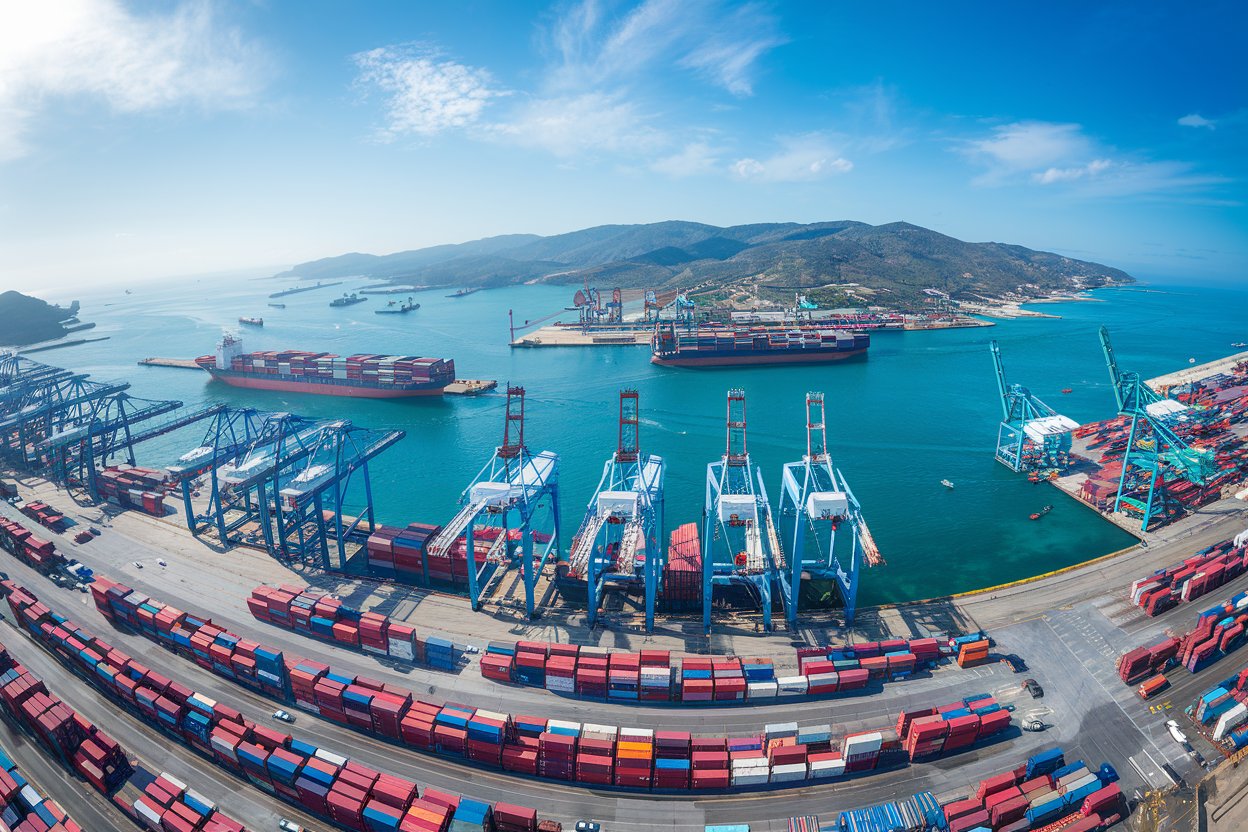
On December 19 local time,members of the U.S.Congress jointly submitted a proposal titled the American Ship Act (SHIPS for America Act),attempting to open a more competitive channel for the U.S.in the global shipping landscape.If formally passed and enacted,the bill would bring extensive reforms to the U.S.system,with the core being the establishment of a phased timeline requiring U.S.importers to gradually increase the proportion of U.S.-flagged vessels transporting goods imported from China over the next 15 years.
According to the bill,starting from the fifth year after enactment,1% of goods imported from China must be transported by U.S.-flagged vessels,increasing by 1% annually until reaching 10% by the 14th year.Importers failing to meet the requirements would face fines calculated based on the freight difference between U.S.-flagged and foreign-flagged vessels.This means shippers or freight forwarders must plan to gradually shift more freight business to U.S.-flagged fleets over the next decade or bear higher costs and potential legal risks.The rationale behind the bill is to boost the U.S.economy and challenge Chinas dominance in theThe dominance in the field." Data shows that in international maritime trade,there are currently only 80 vessels flying the U.S.flag,while the number of ships flying the Chinese flag has reached as many as 5,500.Such a stark contrast highlights the shortcomings in U.S.shipping that the proponents of this bill have emphasized.
The proposal also stipulates that all U.S.government cargo must be 100% transported by U.S.-flagged vessels,compared to the current 50% under existing laws.Notably,if there is a queue at U.S.ports,U.S.-flagged vessels would receive priority over foreign vessels for berthing,a policy tilt aimed at securing greater competitive advantages for the U.S.-flagged fleet.Meanwhile,the U.S.Congress hopes this will revitalize the domestic shipbuilding industry and crew training,ensuring more vessels are built in the U.S.and manned by American crews,thereby tightly binding the entire supply chain—from shipbuilding to usage—to the domestic economy.
To achieve the bills goals,the American Ship Act proposes a strategic commercial fleet plan aiming to expand the U.S.-flagged international fleet to 250 vessels within a decade.These merchant ships would be commercially operated,crewed by Americans,and domestically built.In short,if passed,the bill aims to cultivate a self-sufficient,highly localized shipping system,reducing U.S.reliance on foreign-flagged fleets in international trade competition.Proponents emphasize the significant benefits for U.S.supply chain security and economic gains,such as reducing dependence on foreign shipping capacity and enhancing the ability to autonomously deploy vessels during critical times.
However,for the international shipping and logistics industry,the bills passage would inevitably trigger chain reactions.Industry concerns include the U.S.shipbuilding sectors current lack of capacity and mature technology to rapidly build and operate a large-scale merchant fleet.If demand cannot be met in the short term,it could lead to significant cost increases in U.S.import-export logistics,ultimately affecting end-consumer prices.Additionally,as China is a key source of consumer goods and raw materials for the U.S.stricter transport restrictions could force importers to adjust their strategies widely,with the additional costs potentially passed on to consumers.
From a U.S.foreign trade perspective,the bill clearly aims to strengthen the U.S.voice in maritime trade.However,it may also invite skepticism from international trade partners over trade protectionism and trigger disputes.Given the World Trade Organization (WTO) and various bilateral/multilateral agreements often regulate shipping and trade,the U.S.move could face challenges from other nations and international bodies.If other countries follow suit,the global shipping landscape and related trade terms could enter a new round of competition.
Currently,the American Ship Act still faces a lengthy legislative process in Congress and has not yet been finalized.Regardless of its outcome,it signals that U.S.policymakers are seeking to integrate shipping into the national strategic system through legislation,using port priorities,freight subsidies,and shipbuilding policies to reshape the U.S.role in global trade rules.If the bill succeeds,international freight companies,importers/exporters,and shipbuilders worldwide will face profound impacts.Forenterprises,it is crucial to closely track legislative developments,plan adjustments to transport routes and cost structures in advance,and prepare for potential major shifts in shipping policies.
Was this helpful? Give us a like!
Contact our experts for compliance audits, precise quotes, and one-stop customs support.
Recent Comments (0) 0
Leave a Reply