
Análisis detallado de los aranceles de exportación de textiles a Estados Unidos: un vistazo a las tasas reales de cada país
en aduanas y problemas de cumplimiento.
eficiente y seguridad en pagos.
In international trade,the topic of tariffs is always unavoidable when exporting textiles to the United States.With adjustments in US policy,textile tariffs have become increasingly complex,and different countries face different situations.Today,let’s talk about the actual total tariff situation for major textile exporting countries to help you sort things out and avoid pitfalls.Don’t worry,we’ll analyze it step by step,looking at the big picture while also grasping the practical points.
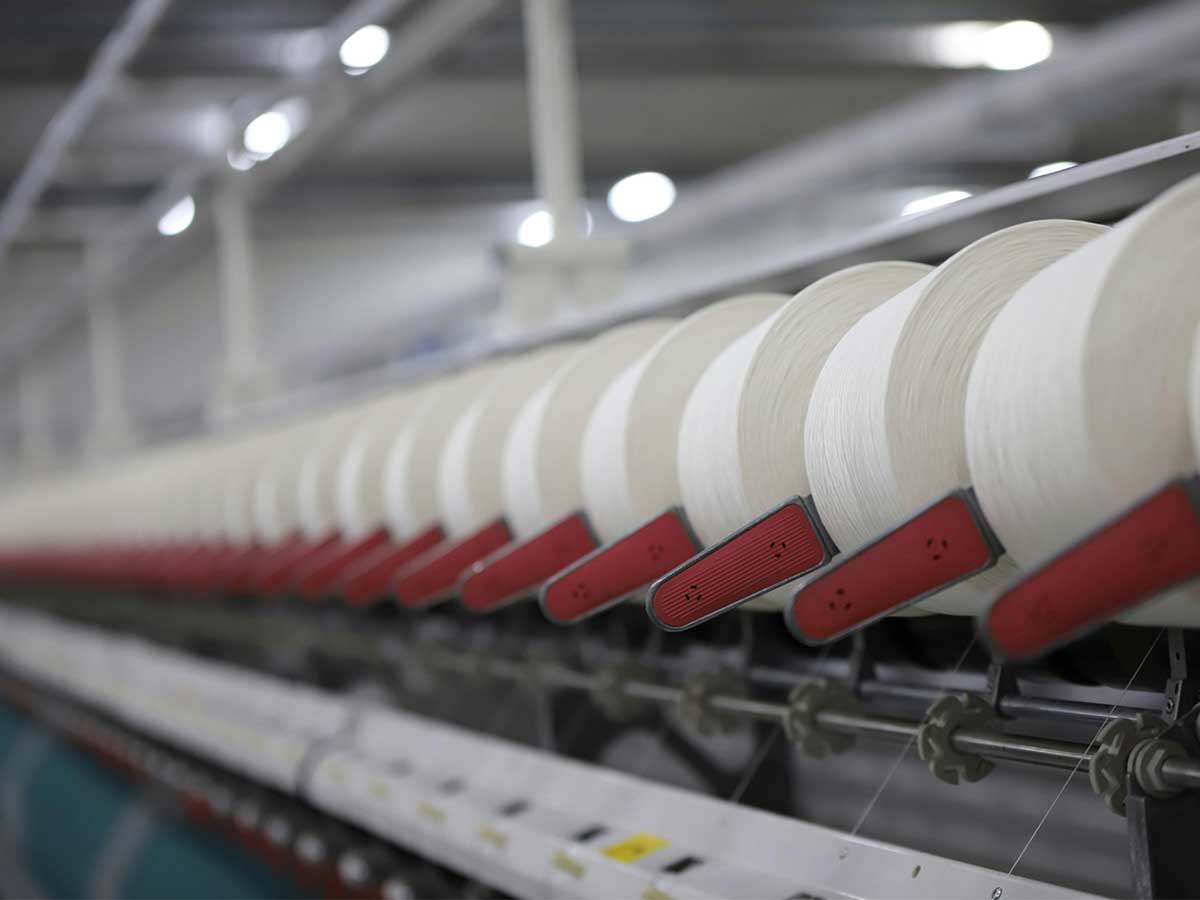
The "combination punch" of US textile tariffs
US textile tariffs are not a single rate,but a "combination" of several parts.Simply put,they include:
- Most-Favored-Nation(MFN)basictariff:ThisistheregulartaxundertheWTOframework,andtheratesfordifferenttextilecategoriesaredifferent.Forexample,wovenclothingisabout13.2%,knittedclothingisabout14.2%,andsomesportsshoescanbeashighas67.2%.
- Additionaltariffs:Enrelaciónconpaísesoproductosespecíficos,porejemplo,un?impuestomínimo?del10%sobretodalaropaapartirdeabrilde2025,juntoconarancelesrecíprocosbasadoseneldéficitcomercial.
- Othersurcharges:Occasionally,additionalitemslikethe"fentanyltariff"willpopup.
The final tariff rate is the sum of these,but some countries have simplified the calculation through bilateral agreements,such as a single tariff rate.Transshipped goods (e.g.re-exported through a third country) often face higher tariffs,even 40%.The good news is that if 20% of the product’s value comes from US materials (such as cotton),this portion can be exempt from tariffs,and tax is only levied on the other parts.This provides a little trick for reducing the tax burden.
Las políticas siempre están cambiando,por ejemplo,algunos aranceles adicionales tienen un período de aplazamiento de 90 días (a partir del 12 de agosto de 2025).Por lo tanto,lo mejor es verificar la información en tiempo real al momento de implementar las medidas.
Tariff situation for major exporting countries
A continuación,se presenta una visión general de los aranceles totales reales de varios países exportadores de textiles (basada en datos de julio-agosto de 2025,valores aproximados).Cada país tiene una situación diferente; para más detalles,consulte las bases de la política y las notas explicativas.
| País/Región | Applicable Tariff Rate (Approximate) | Main Basis | Nota: |
|---|---|---|---|
| China | Approx.30% (suspended) | Aranceles básicos + aranceles adicionales.Según las conversaciones económicas y comerciales entre China y Estados Unidos del 12 de agosto de 2025,Estados Unidos suspendió los aranceles adicionales del 24 % sobre los productos chinos durante 90 días,pero mantuvo los aranceles adicionales del 10 %. | The additional part may be adjusted; pay attention to transshipped goods. |
| Vietnam | 20% | El acuerdo comercial entre Estados Unidos y Vietnam a principios de julio de 2025. | The price is that Vietnam has zero tariffs on US goods; transshipped goods (e.g.re-exported from China) may reach 40%. |
| Bangladés. | 35% | Trump anunció el 7 de julio de 2025. | Partial exemption is available for using US raw materials. |
| Camboya | 36% | Trump anunció el 7 de julio de 2025. | – |
| Indonesia | 32% | Trump anunció el 7 de julio de 2025. | – |
| India | 25% (estimated) | Entró en vigor el 27 de agosto de 2025 (debido a la importación de petróleo ruso). | The previous reciprocal tariff was 26%,and after superposition,some goods reached 50%; the import tariff on cotton is suspended until the end of September to support the textile industry. |
| Tailandia. | 36% | Trump anunció el 7 de julio de 2025. | – |
| Japón | 25% | Trump anunció el 7 de julio de 2025. | – |
| Corea del Sur | 25% | Trump anunció el 7 de julio de 2025. | – |
| Malasia | 25% | Trump anunció el 7 de julio de 2025. | – |
| Laos/Myanmar | 40% | Trump anunció el 7 de julio de 2025. | – |
| Some African countries (e.g.Lesotho) | 15% | The US lowered the tariff rate to 15%. | Lesotho’s textile industry once lost 13,000 jobs due to high tariffs. |
These tariff rates vary depending on the product’s material,craftsmanship,and value.Transshipment or non-compliant origin may increase the burden.
Risks and tips
Tariff uncertainty is high,and the US may adjust the scope of derivatives three times a year.If transshipment is caught,the tariff rate doubles; if the material source (e.g.Russian aluminum) is not right,the tariff may soar to 200%.Enterprises also have to declare the material content themselves,which is a considerable administrative cost.
Want to reduce risks?Use more US materials to get exemptions; check the US International Trade Commission’s HTS code system to get real-time tariff rates for specific categories.Policies are always changing,so pay attention to the Federal Register in advance to avoid surprises.
Conclusión
Textil’s tariffs are like a "cat and mouse game," but once you master the situation in each country and the calculation rules,you won’t be so flustered.Choose the right strategy,turn pressure into motivation,and your trade path will be smoother.I hope these shares give you some inspiration and more confidence in your next negotiation!
?Te ha sido útil? ?Danós un "me gusta"!
Consulte a nuestros asesores para auditoría, cotización y despacho aduanero integral.
Comentarios recientes (0) 0
Deja un comentario