
Export Agent: A Complete Guide to Agency Agreements
or complex compliance issues.
clearance and fund security.
In some practical operations,companies may lack the qualifications or other reasons prevent them from handling export business themselves,necessitating delegation to specializedcompanies for processing.Essentially,this is an agency relationship between two companies,where the principal directly signs agreements with foreign businesses,and the agent company implements the agreements content.The final outcome,including product quality and transaction-related costs,is borne by both parties.However,if faults occur during the agency process,the agent is responsible.
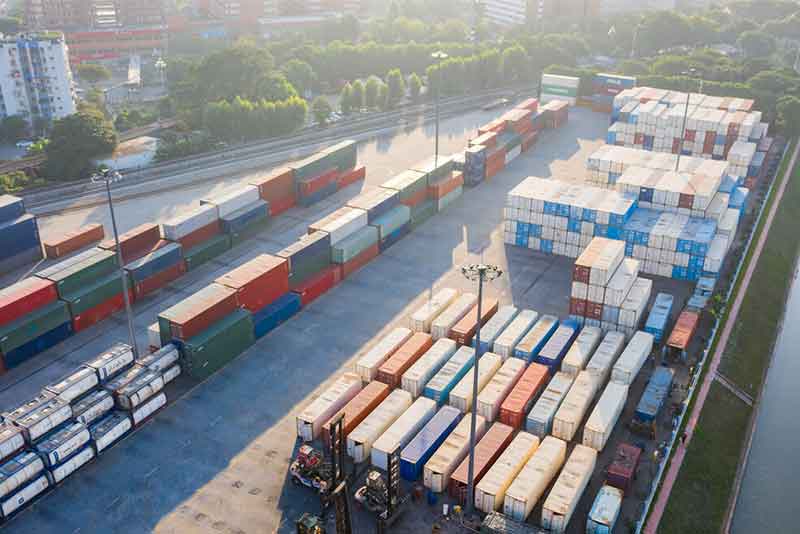
In such activities,the agents role mainly allows the principal to avoid direct pressure from customs and other authorities,while also eliminating the need forpersonnel management,saving the companys labor costs.By delegating these tasks to specialized companies,the principal can focus more time on other procurement activities.
Secondly,having professionals handle the operations can make foreign trade activities more professional and standardized,avoiding potential adverse issues for the company and its products during foreign trade.
According to national regulations,businesses engaged in export activities can enjoy tax rebate benefits.The rebate amount can be advanced by the agent and later reimbursed by the principal once financial pressure eases.
The agency fee is generally negotiated between both parties,typically ranging from1% to 3% of the goods value.During settlement,it depends on whether the principal has import-export qualifications.If so,the agent can directly issue an invoice to the principal for the agency fee.If the principal lacks such qualifications,the settlement method for the agency fee is similar to common purchase-sale transactions.
This article link: | | |
Was this helpful? Give us a like!
Contact our experts for compliance audits, precise quotes, and one-stop customs support.
Recent Comments (0) 0
Leave a Reply