
Auto Parts Import License: Key Strategies & Risks
or complex compliance issues.
clearance and fund security.
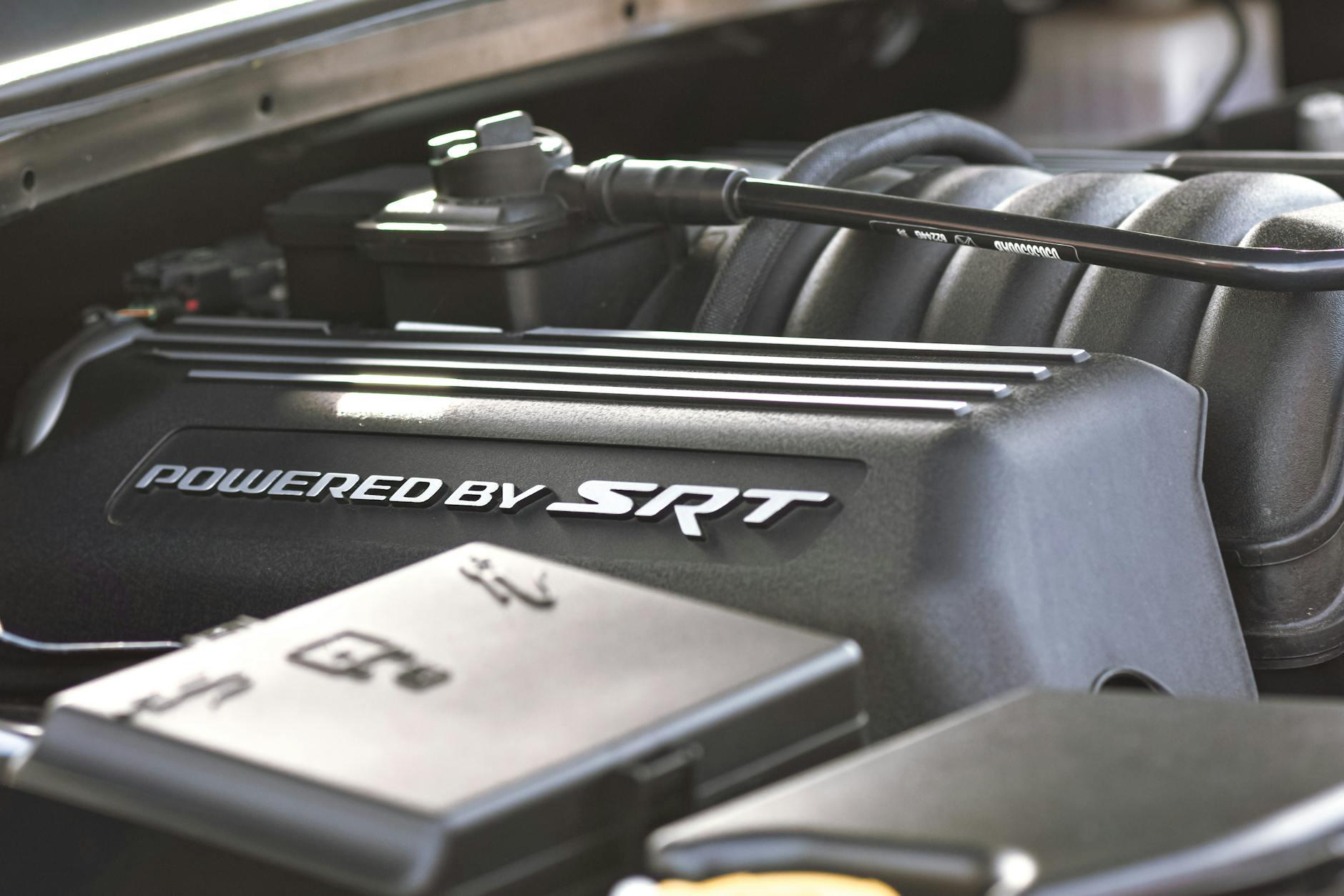
As a senior consultant with 20 years of experience in theWith 20 years of industry experience,I deeply understandin import operationsImport License (Import License)compliant processing is the key factor determining project success.This article will systematically analyze agency strategies and risk control points for auto parts import licenses based on industry status,policies,and practical cases.
I.Industry Status: Three Core Challenges in Auto Parts Import Output:
1.Strong policy dynamics
China implementsclassified supervisionon auto parts imports (e.g.engine assemblies,airbags and other critical components require mandatory certification).The 2023 revised Import Auto Parts Classification Management Catalog added import filing requirements for 12 ECU control units.Companies must track Customs General Administration updates in real time.
2.High technical barriers
- HSCodeClassification:Forexample,transmissionoilpumps(HS8413309010)andclutchassemblies(HS8708939100)involvedifferentregulatoryconditions
- Commodityinspectionregistration:ComponentsinvolvingCCCcertificationmustsubmittechnicalparameterdocumentstotheStateAdministrationforMarketRegulationinadvance(suchasIATF16949qualitysystemcertification)
3.Tight time pressure
A German automaker in 2022 incurred over 370,000 yuan in demurrage fees at bonded warehouses due to import license delays,highlighting the importance of time cost control.
II.Comprehensive Analysis of Import License Application Process (Using Transmission Module as Example) Output:
Step 1: Preliminary document completeness review
- EssentialDocumentsChecklist:
? Certificate (requires CCPIT authentication)
? Product technical description (including bilingual Chinese-English material,purpose,specifications)
? Overseas manufacturers ISO/TS 16949 system certificate
? Import contract (must specify trade terms such as DDP clause)
Step 2: Accurate HS code classification
- Case:Acompanymistakenlyclassified"ElectricPowerSteering"under8708.99,leadingtotherejectionofthelicense.Aftercorrectingitto8708.94,a15%tariffwassaved.
- Toolrecommendation:UseCustomsClassificationAdvanceRulingSystem(apply30daysinadvance)
Step 3: Submit to MIIT Equipment Industry Department for review
- Keyindicators:
? Emission standards (China 6b phase requires ECU software version proof)
? Component traceability codes (VIN code correlation explanation)
Step 4: Cooperate with customs on-site verification
- Frequentissues:
? Physical items not matching declared models (e.g.Mercedes 9G-Tronic transmission declared as 6-speed model)
? Missing labels (must include manufacturer,production date,safety warning marks)
Step 5: Post-license management
- Validitymonitoring:Mechanical/electricallicensestypicallyvalidfor6months,requiresreapplicationifexpired
- Quotacancellation:Forbatcharrivals,mustdeclaredeductiondatainSingleWindowsystem
III.Risk Control: Core Value of Agency Services Output:
1.Policy early warning mechanism
- EstablishAEO-certifiedenterprisedatabase,withreal-timeupdatessuchas:
? Starting July,2023,EU brake pad imports require REACH regulation SVHC test reports
? China-US tariff exclusion list updates (e.g.reinstated 25% tariff on 82 items including steering knuckles)
2.Cost Optimization Plan
- Case:Achievingtariffreductionthroughfreetradeagreements(RCEP/China-EUAgreement)
A Japanese-funded enterprise imported hybrid motors (HS 8501.31) with tariffs reduced from 10% to 6.7% using certificate of origin
3.Legal Risk Avoidance
- Typicalviolationcases:
? A trader was fined 2 times the cargo value for forging import license numbers (Customs Administrative Penalty Decision Hu Guan Wei Zi [2022] No.018)
? Invalid license due to misdeclared product attributes (e.g.declaring repair parts as used parts)
IV.Practical case: 48-hour emergency licensing operation Output:
Adopted the partial shipment + overseas - warehouse transfer mode to meet the customers demand for partial pick - up in advance.: A certainAn automotive company urgently needed to import 200 sets of IGBT power modules (HS 8541.40) due to production line supply crisis
Challenges:
- Goodsarrivedatportbutlicensewasnotobtained
- ProductsinvolvedsensitiveitemsintheCatalogueofTechnologiesProhibitedandRestrictedfromImporttoChina
Solution:
1.Technical documentation restructuring: Change the declared purpose from "production assembly" to "R&D testing".
2.Expedited channel application: Submit the electronic letter of guarantee through the "Customs-Enterprise Collaboration Platform" of the General Administration of Customs.
3.On-site joint inspection: Cooperated with technical experts to issue product safety assessment report
Achievements: Only took 51 hours from document submission to release,avoiding enterprises daily production shutdown loss of 3.8 million yuan
Conclusion: Five evaluation dimensions for choosing professional agents Output:
- WhetherpossessingAEOAdvancedCertification(customsclearanceefficiencyimprovedby50%+)
- Industrycasedatabasecapacity(recommendrequestingsuccessfulcasesofsimilarproducts)
- Customslegalteamconfiguration(needtoconfirmnumberofdedicatedcompliancespecialists)
- Informationsystemintegrationcapability(whethercanconnecttoSingleWindowforInternationalTrade)
- Emergencyresponsespeed(7×24customsclearanceguaranteecommitment)
Automotive parts import license application is essentially acompliance,timeliness,cost-effectivenessbalancing game.The value of professional agencies lies not only in procedural handling,but also inpre-risk assessmentwithEnd-to-end risk control system,building compliant and efficient import channels for enterprises.
Extended services: To obtain HS code comparison table,please contact the authors team for customized solutions.
Was this helpful? Give us a like!
Contact our experts for compliance audits, precise quotes, and one-stop customs support.
Recent Comments (0) 0
Leave a Reply