
Importing Korean Auto Parts: A 20-Year Expert Guide
or complex compliance issues.
clearance and fund security.
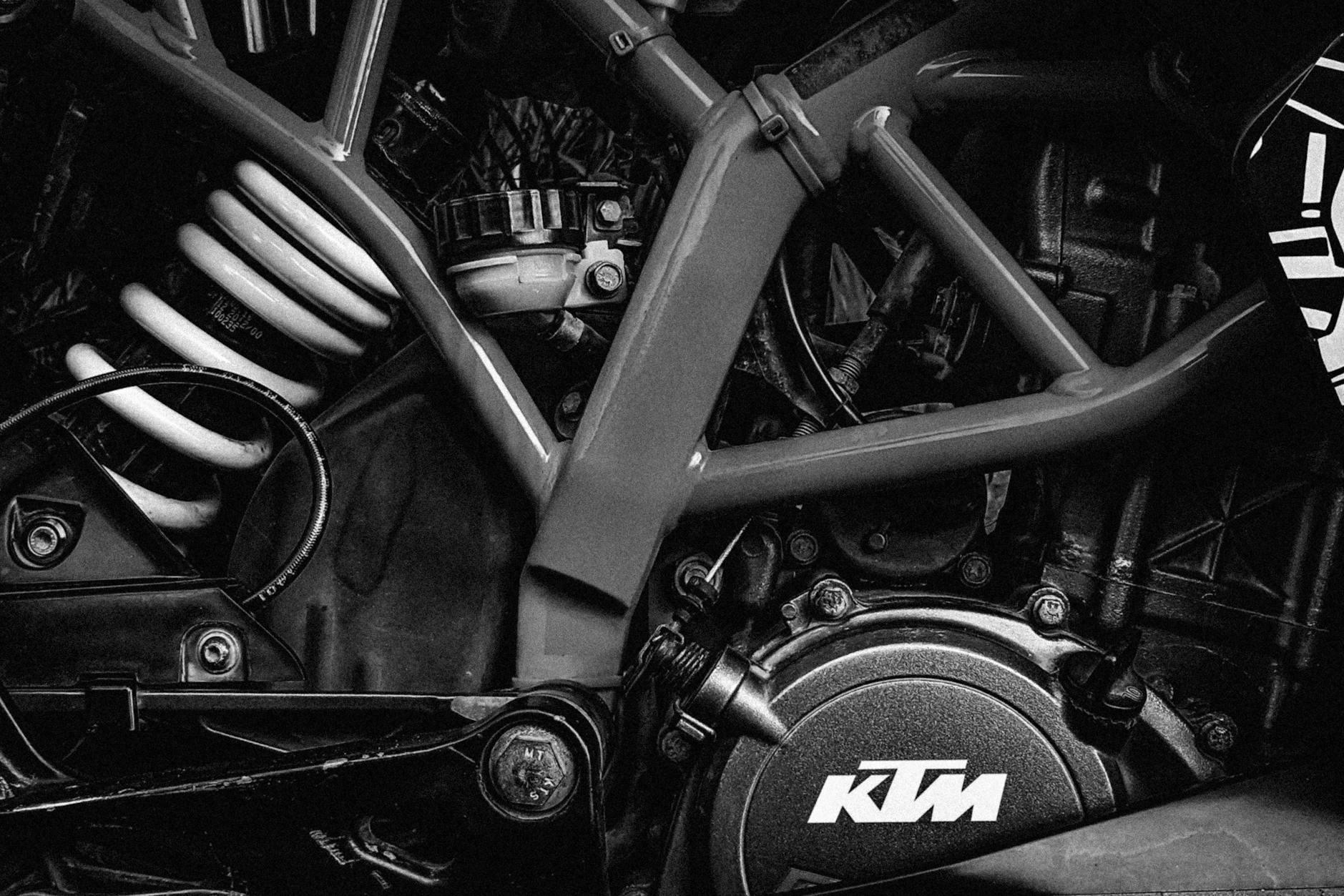
Introduction Output:
In the global automotive supply chain,South Korea has become a key export hub,thanks to the global presence of automakers like Hyundai,Kia,and Renault Samsung,as well as its well-established auto parts supply chain.For Chinese enterprises,importing South Korean auto parts involves overcoming technical barriers and testing supply chain management capabilities.Based on 20 years of industry experience,this article provides an in-depth analysis of the core aspects and practical strategies for importing South Korean auto parts.Industrial Competitiveness Analysis
Current Status and Advantages of the South Korean Auto Parts Market
1.South Koreas auto parts industry accounts for 4.8% of the global market share (2022 data),with technological leadership in areas such as electronic control systems,
- vehiclebatteries,andprecisionmolds.PainPointsinChineseImportDemand
- OEMsupportingratereaches75%,supplychainresponsespeedranksamongthetopthreeglobally,withaveragedeliverycyclesbeing30%shorterthanthoseinEuropeanandAmericanmarkets.
2.Technical Compatibility
- :Over20millionSouthKorean-brandedvehiclesareinoperationinChina(asof2023),creatinghighdependencyonoriginalpartsintheaftermarket.:CostEfficiency
- :ShippingfromSouthKoreatoChina:takesonly3-5days,withlogisticscosts40%lowerthanthosefromEuropeortheU.S.makingitsuitableforhigh-frequency,small-batchprocurement.Stage1:Pre-CompliancePlanning
Comprehensive Breakdown of the South Korean Auto Parts Import Process
South Korea KC Certification (Korea Certification): Safety-critical parts (e.g.brake pads,lights) require mandatory KC Mark certification.
- CertificationRequirements:
- Certification:Somepartsrequirecompatibilitycertificatesduringcustomsclearancetoavoidduplicatecertificationcosts.
- China:Partofit配PiecePleasetranslatethefollowingChinesetoEnglish:NeedtobeinClearcustoms時Submit兼容性證Inthemorning,避Free重DuplicateCertificationcosts.
- Tariff Policy:
- proof).Clear).
Phase 2: Supplier Screening and Negotiation
- CoreEvaluationDimensions:
- WhetherthefactoryisincludedintheOEMsuppliercatalog(e.g.first-tiersupplierslikeHyundaiMobis,Mando,etc.).
- Capabilitytohandletechnicaldocumentationinminorlanguages(Chinese/English).
- Price Optimization Strategy:
- UtilizeIncheonPortsBondedLogisticsZoneforLCLconsolidationtoreduceunitlogisticscosts.
- NegotiateMOQ(MinimumOrderQuantity)tieredpricing,with8-12%pricereductionforordersexceeding500units.
Stage 3: Logistics and Customs Clearance Practice
- :Inviewoftheshock-proofrequirementsofprecisioninstruments,acompositepackagingsolutionofair-cushionfilm+woodenboxisrecommendedtoreducethecargodamagerateduringtransportation.:
- Priorityselectionforhigh-valueprecisioncomponents(e.g.ECUmodules)+temperature-controlledcontainers.
- BulkgeneralcargotoutilizeweeklylinerservicesfromIncheontoQingdao/Tianjinports,withdistributioncompletedwithin48hoursafterportarrival.
- Customs Risk Mitigation:
- HScodepre-classification:e.g.sparkplugs(8511.10.00),transmissions(8708.40.90)requireseparatedeclaration.
- Pre-approveNon-ManipulationCertificatesinadvancetoaddresscustomsvaluationinquiries.
Common Industry Issues and Solutions
1.Quality Dispute Resolution
- Case:ABSsensorspurchasedbyaShandongimporterwereincompatiblewithvehiclemodelsuponarrival.
- Solution:
- IncludeComponentParameterVerificationClauseincontracts,requiringKoreansupplierstoprovideVIN(VehicleIdentificationNumber)compatibilitydatabases.
- Engagethird-partyinspectionagencies(e.g.SGS)for100%pre-shipmentpower-ontesting.
2.Hedging of exchange rate fluctuations
- Adoptforwardexchangelocking+partialpaymentmodel,e.g.lockexchangeratesfor50%paymentatcontractsigning,withbalancesettledatreal-timeratesonshipmentdate.
3.Supply Chain Disruption Contingency Plan
- EstablishlocalbondedwarehousesinKorea:maintain3-monthinventoryreservesinBusanFreeTradeZonetohandlesuddenordersurges.
Key Indicators for Choosing Professional Agency Services
1.Core Competency Matrix
| Metrics | Premium Agent Standards | ||||
|---|---|---|---|---|---|
| Local Korean Team | With offices in Seoul and Ulsan | Information Systems | Connected to KCTA (Korea Customs Trade Administration) data port | Special Qualifications | AEO (Authorized Economic Operator) Advanced Certification |
2.Value-added Service Comparison
- GeneralAgent:Onlyprovidesbasiccustomsclearance
- ProfessionalAgent:
- SupplyChainFinance:Provides60-daypaymenttermsbasedonbillofladingpledge
- TechnicalComplianceService:FreeprovisionofChina-SouthKorearegulatorycomparisontable
V.Future Trends and Suggestions
1.New Energy Vehicle Parts Opportunities
- SouthKorealithiumbatterymoduleimports(e.g.LGEnergySolution)grow35%annually,requiringattentiontoUN38.3dangerousgoodstransportcertification.
2.Digital Upgrade
- Recommendadoptingblockchaintraceabilitysystem:Full-processQRcodetrackingfromSouthKoreanfactoriestoChineseterminalwarehouses,reducingparallelimportrisks.
Conclusion Output:
South Korean auto parts imports are not just simple trade transactions,but comprehensive tests of technical standard alignment,supply chain resilience building,and risk management capabilities.Choosing professional agency services with deep expertise in the South Korean market can help companies save over 15% in hidden costs and improve on-time delivery rates to above 98%.On the eve of the new energy vehicle parts import boom,companies that establish compliance systems and logistics networks in advance will gain first-mover advantages.
(Data sources: Korea International Trade Association,China Customs,KOTRA 2023 Industry Report)
Author’s Profile
Author with 20 years of experience in automotive industryHas led completion of over 600 batches of South Korean auto parts import projects,with cumulative value reaching $1.2 billion.
Was this helpful? Give us a like!
Contact our experts for compliance audits, precise quotes, and one-stop customs support.
Recent Comments (0) 0
Leave a Reply