
Oil Seal Import Guide: Key Steps & Expert Tips
or complex compliance issues.
clearance and fund security.
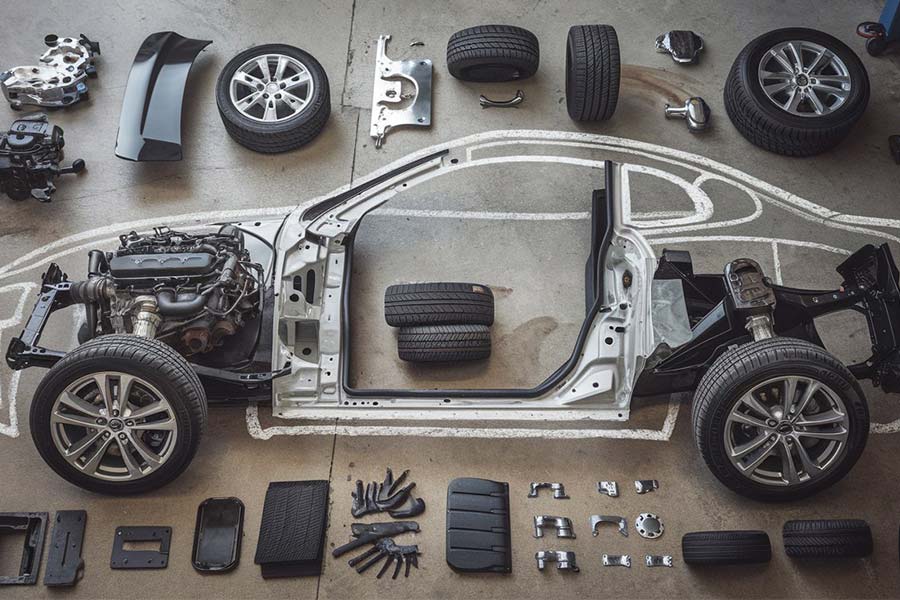
Professional analysis: Oil - seal engine partsCore points and practical experience
—— 20 yearsPerspective of agency experts
In the global automotive industry chain,oil - seal engine parts,as key components to ensure the sealing performance of engines,have an increasing import demand with the growth of the automotive manufacturing and maintenance markets.However,the import of oil - seal parts involves complex technical standards,customs supervision,and supply chain management.As a foreign trade import service expert with 20 years of experience,this article will systematically analyze the core processes,common risks,and response strategies of importing oil - seal engine parts to help enterprises efficiently complete import operations.I.Industry characteristics and challenges of importing oil - seal engine parts
Oil - seal parts need to meet strict working condition requirements such as high temperature,high pressure,and wear resistance.When importing,it is necessary to strictly review the suppliers ISO/TS 16949 certification,material test reports (such as rubber oil resistance and anti - aging indicators),and product specifications.For example,oil - seals made of fluororubber (FKM) need to meet the ASTM D2000 standard,otherwise they may be rejected by the customs or end - customers due to non - compliant technical parameters.
1.High technical barriers
Complex global compliance requirements
2.: Need to comply with the REACH regulation (chemical substance registration) and CE certification (machinery directive).
- EUmarket:NeedtopasstheSAEJ200standardtestandprovideFDAfood-gradecertification(ifusedinspecialvehicles).
- USMarket:MandatoryCCCcertification(partsforsomevehiclemodels),qualityandsafetyriskassessmentofimportedgoods.
- ChineseMarket:High-sensitivitysupplychain
3.Oil - seal parts are small in size but high in value.During transportation,it is necessary to prevent the failure of the sealing performance caused by packaging damage.In addition,some countries
Oil seal accessories are small in size but high in value,requiring protection against packaging damage that may lead to seal failure during transportation.Additionally,some countries imposeIf there are special requirements (such as in the Central American Free Trade Area),the logistics route needs to be planned in advance.
II.Analysis of the Whole Process of Import Agency for Oil - Sealed Engine Parts
Pre - preparation Stage
- SupplierQualificationReview:FocusoncheckingthefactorysIATF16949systemcertification,theaccuracyofproductionequipment(suchasthetolerancecontrolabilityofthecompressionmoldingmachine),andpastcooperationcases.
- TechnicalDocumentFiling:Includingmaterialanalysisreports,productspecificationsheets(suchasdimensionaltoleranceof±0.05mm),andalistofapplicablevehiclemodels(matchingOEMnumbers).
International Transportation and Packaging Solutions
- Chooseshock-proofandmoisture-proofpackaging(suchasvacuumsealing+desiccant)toavoidtherubberpartsfromgettingdampanddeformedduringtransportation.
- Preferablyadoptthedoor-to-doorDDPterms,withtheagentbearingthefull-processriskstoreducethecustomerscustomsclearancepressure.
Customs Declaration and Clearance
- Commodityclassification:OilsealsareusuallyclassifiedunderHS8484.10(mechanicalseals),andattentionshouldbepaidtotheimpactofthematerial(rubber/metal)onthetaxrate.
- Tariffoptimization:Usefreetradeagreements(suchasRCEP)toreducethetaxrate.Forexample,whenimportingfromJapan,theagreementtaxrateof5.3%canbeapplied(theoriginalmost-favored-nationtaxrateis8%).
- TariffDispute:Preparethird-partyinspectionreports(suchasSGS)inadvancetodealwithcustomssamplingandinspection,andshortenthecustomsclearancetime.
Domestic Distribution and After - sales Tracking
- Adoptconstant-temperaturewarehousing(18-25℃)toavoidrubberaging,andachievequalitytraceabilitythroughthebatchmanagementsystem(LotTracking).
III.Common Risks and Solutions in Import Agency
Risk 1: Return of goods due to non - compliance of technical parameters
- WeServe:Acompanyimportedabatchoffluororubberoilseals.Sincethesupplierdidnotmarktheparameteroftemperatureresistancefrom-40℃to250℃,thecompanywasrequiredbythecustomstoprovidesupplementaryexplanations,resultingina15-daydelayindelivery.
- Solution:TheagentshouldclarifythetechnicaltermsinthecontractandrequirethesuppliertoprovideinspectionreportsinbothChineseandEnglish.
Risk 2: Difficulty in Claiming for Transportation Damage
- WeServe:Thehightemperatureinthesea-freightcontainercausedtherubberoilsealstosticktogether,resultingina30%lossofthecargovalue.
- Solution:InsureagainstAllRisksandaddtheTemperatureChangeRisk.Atthesametime,appointaprofessionalinspectionagencytotakephotosandkeepevidencebeforeshipment.
Risk 3: Anti - dumping Investigation
- Somecountriesinitiateanti-dumpingmeasuresagainstsealsofspecificmaterials(suchasIndiaimposinga15%anti-dumpingdutyonnitrilerubberproducts).Itisnecessarytoconfirmthetariffnumberinadvancethroughcustomspre-classification.
IV.Future Trends: Digitalization and Green Supply Chain
1.Blockchain Traceability: Record the entire process of production,inspection,and transportation of oil - sealed parts through blockchain technology to enhance the trust of end - customers.
2.Upgrading of Environment - friendly Materials: The application of bio - based rubber (such as DuPont EcoLast) will prompt importers to update their technical standards.
3.Regionalized Supply: The rise of emerging production bases in Southeast Asia (such as Thailand and Vietnam) requires a re - evaluation of supply chain costs and efficiency.
Conclusion
The import of oil - sealed engine parts is a highly specialized business.Enterprises need to rely on the technical compliance capabilities,risk control experience,and global resource network of professional agency teams.As a service provider with 20 years of experience in the industry,we suggest that customers fully evaluate the suppliers qualifications,technical documents,and logistics plans before importing,and achieve the optimal balance of cost,efficiency,and compliance through one - stop agency services.
(Author: XXX,Senior Consultant of Foreign Trade Agency.Service areas includeand industrial equipment,etc.)Services: Import agency for oil seal engine parts,customs clearance,technical compliance,foreign trade risk management,supply chain optimization
Keywords: Revealing the Import of Oil Seal Engine Parts: Practical Tips from a 20 - year Foreign Trade Expert
Was this helpful? Give us a like!
Contact our experts for compliance audits, precise quotes, and one-stop customs support.
Recent Comments (0) 0
Leave a Reply