
What key clauses does an export agency agreement typically include? How can common legal risks be avoided?
or complex compliance issues.
clearance and fund security.
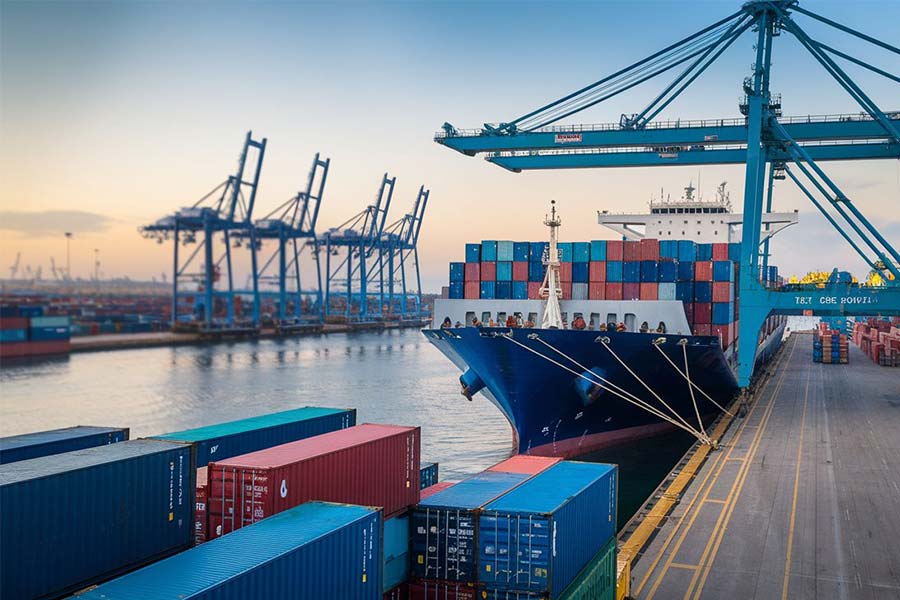
What isAgreement?What’s the difference compared to self-operated export?
The export agency agreement is between the production enterprise and the professionalThe contract signed by the companyLegal Authorization DocumentThe core lies in clarifying the scope of rights and responsibilities for the agent to conduct export business in the name of the principal.Key distinguishing features from self-operated exports include:
- Theagentdoesnotbeartheriskofownershipofthegoods.
- Transactionprofitsareattributedtotheactualproducers.
- Theagentshallcollectcommissionsbasedontheservicecontent.
Why is it necessary to sign an export agency agreement?
According to the latest international trade data for 2025,76% of SMEs choose the agency export model,mainly due to the following necessities:
- Mitigatetheriskoflackingexportqualifications(especiallyforsensitivetechnologyproducts)
- Leveragingtheagents’ClearancenetworkandForeignexchangesettlementchannels
- ProfessionalSupportforResolvingInternationalTradeDisputes
What are the key rights and responsibilities that must be clearly defined in the agreement?
In the agency agreement,special attention should be paid to the following three types of clauses:
- AuthorizationScopeClause
- Clearlydefinetheagencyterritoryandproductscope.
- AgreementonExclusive/Non-ExclusiveAgencyNature
- Financial Terms
- PaymentMethod(TT/LCRatio)
- CommissionCalculationBasis(FOB/CIFPrice)
- Intellectual property clause
- TrademarkUsageRights
- ConfidentialityObligationforTechnicalMaterials
What components are typically included in an agency fee structure?
Taking the typical agreement in the Yangtze River Delta region in 2025 as an example,the cost structure includes the following components:
- Basicservicefee(customsdeclaration,documentpreparation)
- Value-addedservicefee(Confirmed,ExportCreditInsurance)
- RiskCompensation(forSpecialPaymentTerms)
How to prevent the risk of unauthorized operations by agents?
It is recommended to establish a triple protection mechanism in the agreement:
- SetupSingleTransactionAuthorizationLimit
- AgreementOwnershipofCustomerInformationBelonging
- EstablishRegularreconciliationmechanism
Does the export agency agreement have international legal validity?
Special attention must be paid to three legal elements:
- AgreementonApplicableLaw(ItisrecommendedtochooseSingaporeorHongKonglaw)
- Specifythedisputeresolutionmethod(arbitrationtakesprecedenceoverlitigation)
- AdditionalINCOTERMS2025ApplicableTerms
Under what circumstances can the agency agreement be terminated?
It is recommended to establish three types of termination clauses:
- Performanceclauses(e.g.failuretomeettheminimumexportvolumeforsixconsecutivemonths)
- MaterialBreachClause(e.g.disclosureoftradesecrets)
- ForceMajeureClause(war,tradeembargo,etc.)
How to Choose a Reliable Export Agent?
Based on the 2025 industry survey,high-quality agents should possess the following characteristics:
- Record-filingofinternationalfreightforwardersAEOcertificationRequiretheprovisionofataxpaymentcertificateandaspecialVATinvoice.
- Inthetargetmarket,thereisCustomsClearanceCaseDatabase
- ProvideExchangeRateLock-inRiskmanagementtoolssuchas
What is the fundamental difference between an agency agreement and a distribution agreement?
The key difference lies in:
- Distributorshavetherighttosetproductprices.
- Thedistributionmodelcarriesinventoryrisks.
- Distributionagreementstypicallyinvolvetrademarklicensing.
How often does the export agency agreement need to be updated?
It is recommended to conduct a protocol review every two years,with a focus on:
- Tradecomplianceclauses(e.g.thelatestEUcarbontariffrequirements)
- PaymentTerms(ImpactofSWIFTSystemUpdates)
- DataSecurityProvisions(RegulatoryChangessuchasGDPR)
Was this helpful? Give us a like!
Contact our experts for compliance audits, precise quotes, and one-stop customs support.
Recent Comments (0) 0
Leave a Reply