
Small Export Orders: A Guide to Payments, Customs & Tax Rebates
or complex compliance issues.
clearance and fund security.
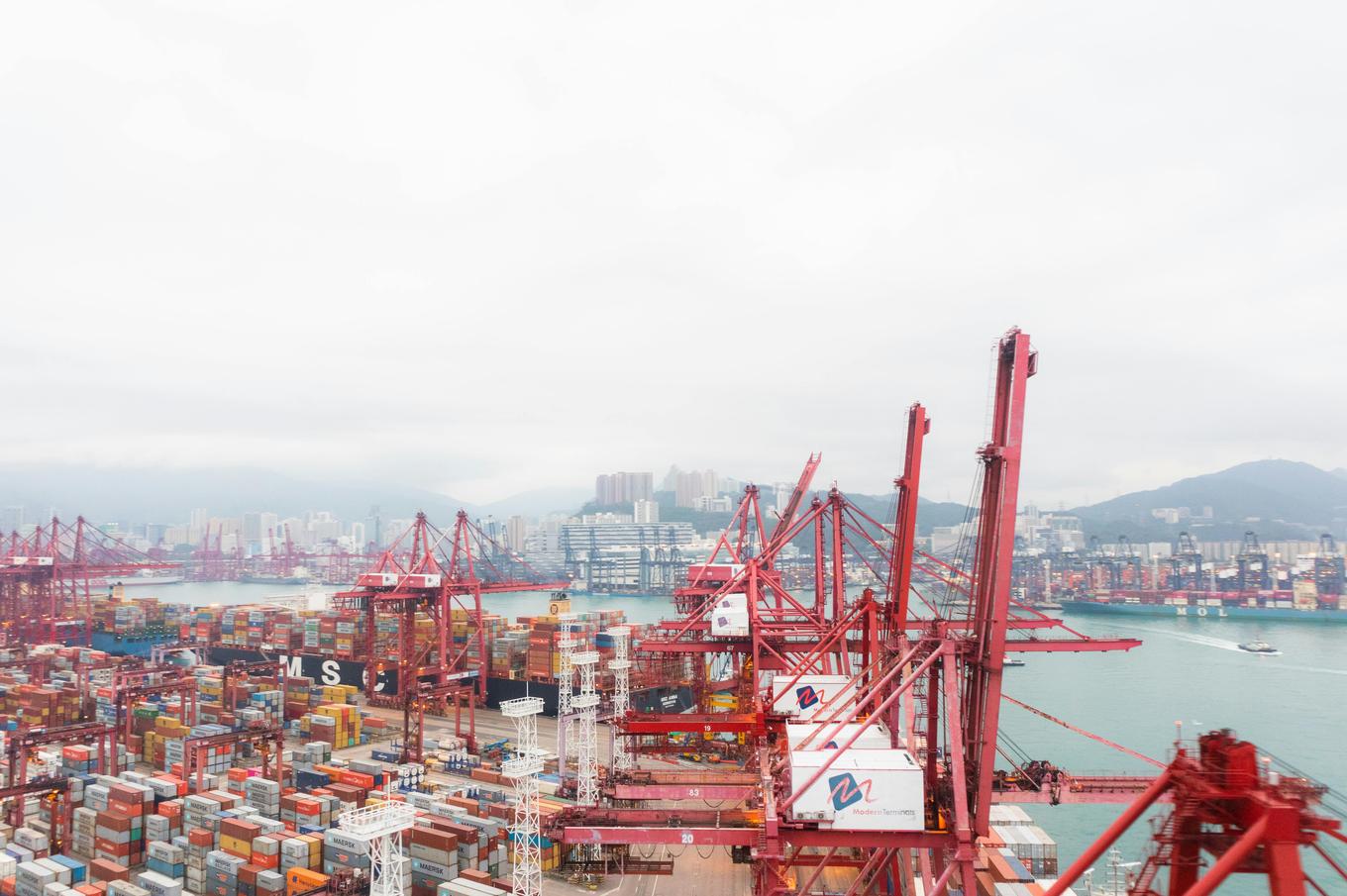
In international trade,the new policy always raises many questions,especially about how to collect payments and ship goods for small orders while ensuring compliance and controlling costs.In the past,it was simple to handle export transactions,but now applying for relevant permits has become more complicated.Having a RMB and USD account has become the norm,but figuring out how to transfer the final payment and handle customs declaration can be quite frustrating.Don’t panic!Today,let’s dive into this topic and share some practical tips to make your export process smoother and more worry-free.
Payment method: XTransfer or a US dollar account?Choosing the right one offers more flexibility
Receiving payments is the first hurdle in exporting.Under the new policy,it’s still feasible to transfer 30% of the prepayment via XT (such as PayPal or similar platforms) to a private account,as the risk of small-scale operations is low.However,we need to be cautious about the remaining 70% of the final payment.It is recommended to directly deposit it into the company’s USD account - this way,it is highly compliant,the funds can be traced,and it is convenient for follow-up operations.
Why is a USD account better?While XT transfers are fast,there are high fees for large amounts and they may trigger tax audits.After receiving payments in USD,the funds are converted to RMB via a public account in accordance with the regulations of the State Administration of Foreign Exchange,offering transparent exchange rates and low costs (with fees typically ranging from 0.5% to 1%).If clients are accustomed to XT,a hybrid approach can be used: prepay with XT and settle the balance via the USD account.Specifying the payment ratio in the contract can help avoid disputes.
Tips: When applying for a USD account,bring your business license,import and export rights,and tax registration documents.The bank will process your application quickly,typically completing the process within a week.After receiving payments,ensure timely foreign exchange settlement to facilitate smoother tax refund procedures.
For shipping and customs declaration: Use the full value of the goods for declaration,and the tax rebate will not be discounted
When shipping goods,self-operated customs declaration is the mainstream approach.The question is,should you declare the customs value based on the 70% balance payment,or the full 100%?It is recommended to declare based on the 100% value of the goods - this way,the tax refund will be complete,and you won’t need to make up for the 30% difference.Although the new regulations are stricter,for small orders with compliant customs declarations,the customs authorities focus on large-value and abnormal transactions.Since your goods value is not high,there shouldn’t be any major issues.
If it’s a trading company,getting the supplier to issue a VAT invoice during procurement allows for a 13% tax refund.Declaring the goods to Hong Kong for re-export is also a flexible option: using the "Yangyang contract" (a disguised contract) with a freight forwarder for transfer can keep costs low (with agency fees of just a few thousand yuan).However,don’t chase after small benefits.While exporting under an invoice-based model is still possible in some southern regions,the risk is high,and tax authorities are keeping a close watch on such activities.
Hiring an agent is a hassle-free choice: they advance the tax refund payment,offer transparent agency fees (1%-2% of the invoice value),and ensure compliance and speed.Choose a reliable one,and they can assist you with everything from procurement to customs clearance in a one-stop service.
Operating tips: low risk and high cost-effectiveness
- Procurementprocess:Tradecompaniesprioritizeinvoicingsuppliersandsecureguaranteedtaxrebates;factoriesfocusonsmall-orderprofitsthroughdirectsales.
- ContractDesign:TranslatethefollowingsentenceintoEnglishandexplainitindetail::Specifythepaymentratioandforeignexchangesettlementmethod,andreserveabufferperiod.
- Taxcontrol:Forsmallorders,avoidriskypracticesjusttomaximizetaxrebates.Whentheeconomyisslow,taxauthoritiesfocusonmajorcompanies,leavingsmallerbusinessesundertheradar.
These adjustments make exporting as easy as having a cup of tea.
Conclusion
Under the new policy,although there are many changes in payment and delivery,choosing the right USD account,100% customs declaration,and cooperation with agents can help you comply with regulations and save money.Small orders are the starting point.Stay focused and take things step by step—opportunities will come your way.I hope these insights can provide you with some inspiration,helping you place orders more confidently and grow your business smoothly!
Was this helpful? Give us a like!
Contact our experts for compliance audits, precise quotes, and one-stop customs support.
Recent Comments (0) 0
Leave a Reply