
Guidelines for Avoiding Pitfalls When Importing Vanilla Beans: From HS Code Classification to Practical Operations of Phytosanitary Inspection and Customs Clearance
or complex compliance issues.
clearance and fund security.
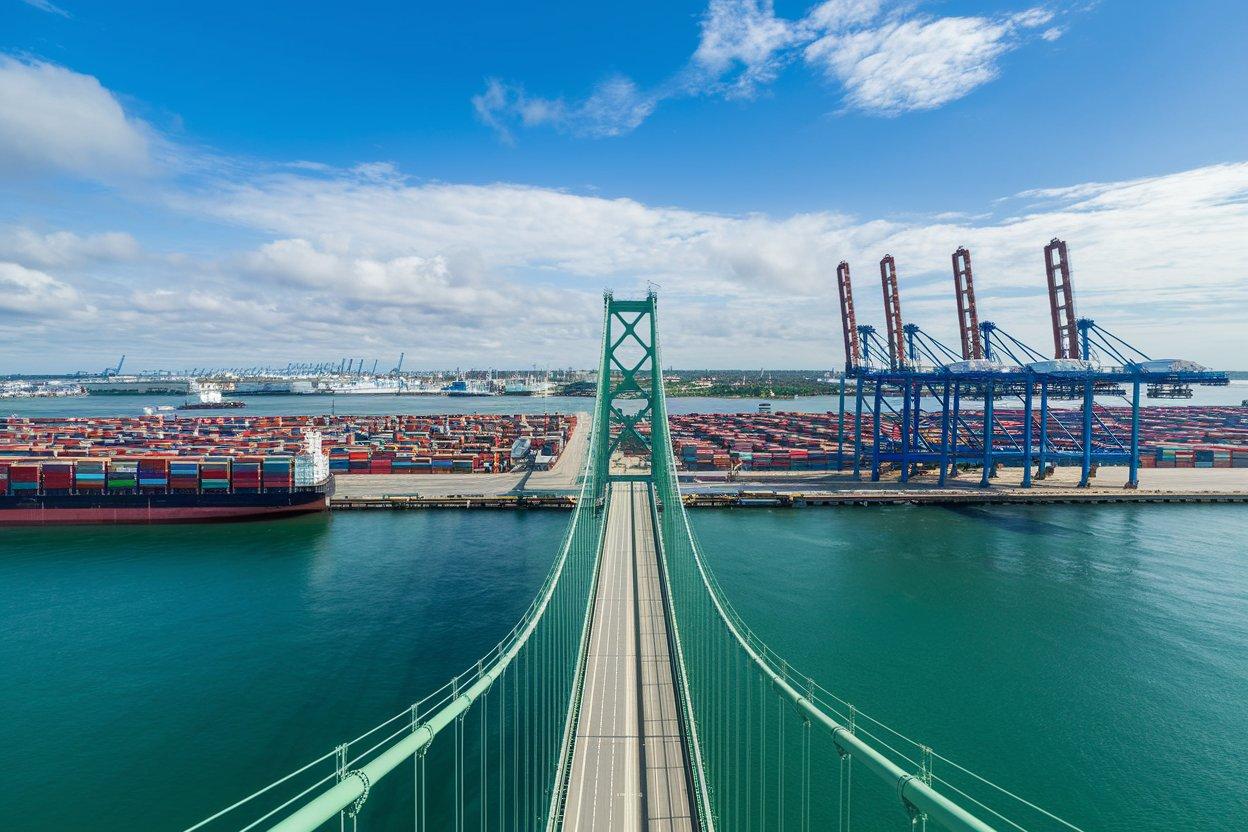
You might think that as long as you pay the shipping fee,vanilla beans can be successfully stored?This naive idea often comes at a high cost when facing customs inspection.As an expensive spice second only to saffron,vanilla beans are not simply "declared as goods" during importation,but rather a precise game of "water content" and "plant quarantine".Many experienced traders fail with Madagascar beans not because of incomplete documentation,but because they overlooked several seemingly insignificant parameters,resulting in the goods being stranded at the port for half a month and the risk of mold growth skyrocketing.
Why does the "tolerance rate" for declaring vanilla beans at customs be extremely low?
Vanilla beans are a type of plant-based food.The customs authorities’ main concerns regarding them focus onSpecies classification,Pest and disease risks and Quality IndicatorsUnlike ordinary dried goods,the high value of vanilla beans also makes them a key target for price inspections.Once the declared information does not match the actual goods,it is highly likely to trigger on-the-spot inspections.
| Risk dimension | Common Misunderstandings | Post-compliance consequences and responses |
|---|---|---|
| HS Code Classification | Directly classify spices such as "unmilled ginger" under subheading 0910,and ignore the "processing method". | This results in errors in tax rate application or omissions in regulatory requirements.It is necessary to accurately classify the products into 0910.10.00 (unmilled) or 0910.20.00 (milled),and to confirm whether they involve endangered species (CITES). |
| Plant quarantine | They think that as long as the phytosanitary certificate is available,there’s no need to check the additional declarations. | Goods without valid pest control certificates will be directly returned or destroyed.It is necessary to confirm whether the country of origin (such as Madagascar and Indonesia) has been approved for export to China,and whether the certificate includes a stamp of "fumigation" or "heat treatment". |
| Packaging and Labeling | Use ordinary cardboard boxes and ignore the IPPC logo. | If the wooden packaging does not bear the IPPC mark or fails the fumigation test,the customs will require its destruction.It is mandatory to use compliant solid wood packaging or plywood,and these must be clearly marked with labels. |
The full process SOP for the import of vanilla beans
The following process is based on the general trade import scenario and is applicable to imports from major production regions such as Madagascar and Papua New Guinea.
Step 1: Pre-access and document review Output:
Before shipping,it is necessary to confirm whether the overseas production enterprises have been registered and filed with the General Administration of Customs.This is a strict control point in recent years.Beans produced by unregistered factories cannot be cleared through customs.
- CoreDocumentChecklist:PhytosanitaryCertificate,HealthCertificate,Contract,Invoice,PackingList,BillofLading.
- ReviewFocus:TheLatinscientificnameonthephytosanitarycertificatemustbeconsistentwiththeinvoice;theweightonthepackinglistmustbeaccuratetotwodecimalplaces(theunitpriceofvanillaisextremelyhigh,andaweightdifferenceof0.1kgcouldresultinacostdifferenceoftensofdollars).
Step 2: Apply for an Entry Animal and Plant Quarantine Permit Output:
Although some dried spices may be exempt from inspection,vanilla beans are generally classified as plant products subject to quarantine.It is recommended to apply for an "Import Animal and Plant Quarantine Permit" from the customs before shipping the goods.
- Note:The"portsofentry"and"designatedstoragesites"onthelicensemustbeconsistentwiththeactualoperationandcannotbearbitrarilychanged.
Step 3: Fill in the declaration elements according to the standard requirements Output:
When filing a declaration in a single window,the following elements are considered "sensitive words" by the customs declaration review system:
- ProductName:Vanillabeans(mustbeaccurate,cannotjustwrite"spices").
- Processingmethod:It’sclearwhetherit’s"thewhole/uncut"or"cut/crushed".
- Status:"Dried"or"fresh"(mostimportedproductsaredriedbeans).
- Ingredientcontent:Ifitinvolvesthecontentofvanillin,itneedstobedeclaredtruthfully.
Step 4: Inspection of the actual goods and subsequent release Output:
The customs will conduct a thorough inspection of the packagesWater contentandLiving wormsIf the inspection reveals mold stains or live insects on the surface of the beans,quarantine treatment (fumigation) will be initiated,which is costly and with unpredictable effectiveness.
The invisible high minefield: fumigation marking and "non-tariff barriers"
Many importers only focus on tariffs,but ignore other costs and risks.Packaging complianceThis invisible killer.Vanilla beans are usually packaged in foil inner bags and cardboard outer boxes.If the cardboard boxes are reinforced with untreated solid wood pallets and lack IPPC markings,the entire batch of goods may face return shipment if pest holes are detected during customs inspection.
In addition,regardingPrice verificationThe price of vanilla beans fluctuates greatly due to climate impacts (such as cyclones in Madagascar).If the declared price is below the risk threshold in the customs system,customs will require you to provide payment vouchers,insurance policies,or even original factory purchase certificates to explain "why you bought it so cheaply".It is recommended to prepare detailed price explanations before declaration and set aside sufficient deposits to avoid delays in customs valuation that might lead to the goods spoiling during storage.
The risk control measures that can be implemented this afternoon
- Checkthesupplier’squalifications:LogintothewebsiteoftheGeneralAdministrationofCustomstochecktheregistrationlistofoverseasvanillabeanproductionenterprisesandconfirmthatyoursupplierisonthelist.
- Reviewthepackagingphotos:Itisrequiredthattheforeignshippersprovidereal-shotphotosoftheouterpackagingtocheckwhetherthereareclearIPPCmarks(fumigationmarks)onit.
- Pre-categorizationTest:Output:Sendtheproduct’sLatinscientificname,moisturecontent,andprocessingmethodtothecustomsbrokerforpre-classificationconsultation,andconfirmthattheHScodeiscorrect.
Was this helpful? Give us a like!
Contact our experts for compliance audits, precise quotes, and one-stop customs support.
Recent Comments (0) 0
Leave a Reply