
FORM E & Bill of Lading: Thailand Customs Compliance
or complex compliance issues.
clearance and fund security.
In international trade,ensuring the consistency of bill of lading and certificate of origin (FORM E) information is a crucial step for smooth customs clearance and enjoying tariff reduction.Especially when exporting to Thailand,whether the shipper information on the bill of lading should be consistent with the exporter information on the certificate of origin (FORM E) is a very important issue.This article will analyze this issue in detail to avoid unnecessary customs clearance problems and economic losses.The following are some suggestions and precautions:
I.Domestic company as the shipper
Consistency requirements: If you are a domestic company (mainland company),the shipper information on the bill of lading should be consistent with the exporter information on the FORM E.This is because the Thai customs will check these information during customs clearance,and any inconsistency may lead to customs clearance problems or the inability to enjoy tariff reduction.
Impact on customs clearance: If the information is inconsistent,the Thai customs may question the authenticity and consistency of the documents,which may affect the customers customs clearance speed and the application for tariff reduction.
II.Non-domestic company as the shipper
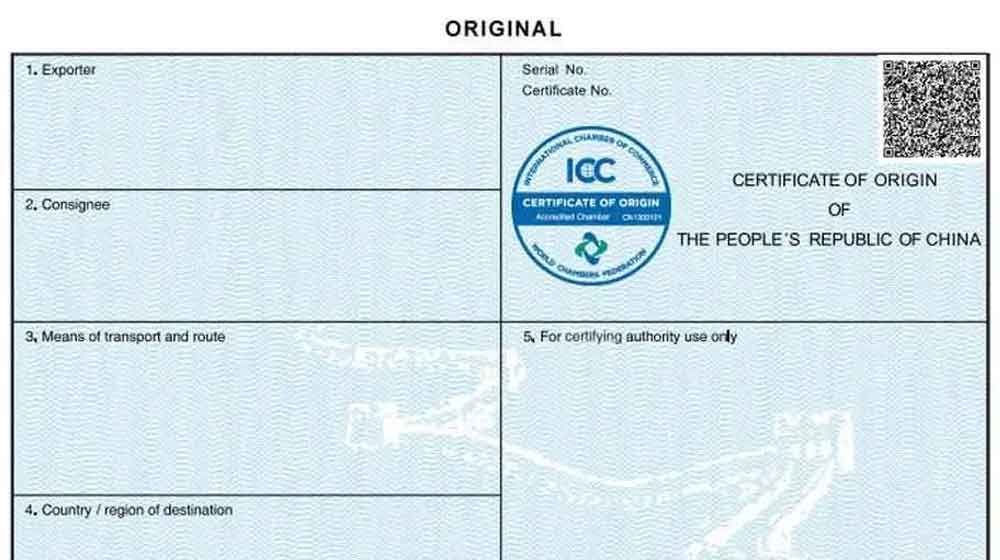
Use of overseas companys name: If the shipper is a Hong Kong company or other overseas company,the exporter column of the FORM E can use the name of the mainland company.The name of the Hong Kong company or other overseas company can be entered as a third-party invoice/non-party company under the product name in column 7,with the display method of NON-PARTY OPERATOR: offshore company + offshore address.
Third-party invoice: In this case,in column 13 of FORM E,the fourth option THIRD PARTY INVOICE should be selected and ticked.This mode of operation does not affect customs clearance and tariff reduction.
III.FORM E Issued by the Agent
Agent company information: If the FORM E is issued by an agent,only the information of the agent company can be displayed in column 1.The agent cannot issue a FORM E showing the manufacturer orEnterprise name.
Consistency of customs clearance documents: To ensure that the bill of lading,packing list,commercial invoice and other customs clearance documents are consistent,it is necessary to change the header information of these documents to that of the agency company to meet the consistency requirements.
When exporting newly - built containers,enterprises need to declare in strict accordance with the norms.The specific operations are as follows:
Prior confirmation: Before issuing the documents,it is recommended to confirm all document information with foreign customers to ensure that the bill of lading,FORM E and other customs clearance document information are consistent.
Risk reduction: Understand and communicate the customs clearance requirements in advance to avoid problems in the customs clearance process and ensure that customers can enjoy the tariff reduction policy.
When exporting to countries such as Thailand,Indonesia,and Vietnam,whether the shipper information on the bill of lading is consistent with the shipper information on the FORM E has a direct impact on the customers customs clearance and tariff reduction.Therefore,it is recommended to communicate and confirm the document information with the customer in detail before operation to ensure information consistency and avoid customs clearance problems and obstacles to tariff reduction.
By operating in the above - mentioned ways,smooth customs clearance and maximum customer benefits can be ensured.If you still have questions about the specific operations,you are welcome to contact ourprofessional team,and we will provide you with comprehensive support and solutions.
Was this helpful? Give us a like!
Contact our experts for compliance audits, precise quotes, and one-stop customs support.
Recent Comments (0) 0
Leave a Reply