
Japan Machinery Imports: Risks & Benefits Explained
or complex compliance issues.
clearance and fund security.
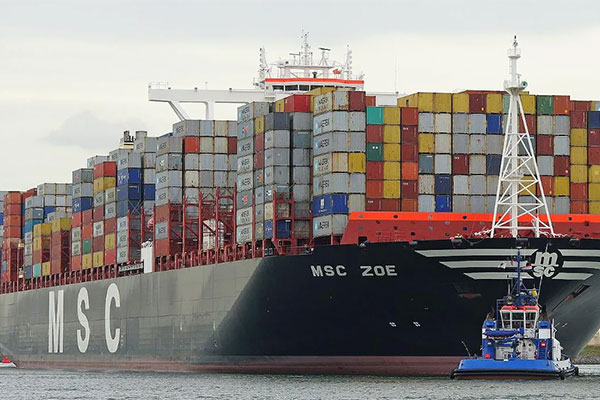
Japanese machineryMarket advantages and risks coexist.
As a benchmark in the global precision manufacturing industry,Japanese machinery and equipment account for 23.6% of China’s import market (according to customs data for the first quarter of 2025).Products from brands such as Mitsubishi Heavy Industries,Fanuc,and Yaskawa continue to maintain their technological leadership in fields such as automotive manufacturing,electronics processing,and industrial robotics.However,frequent issues arise during the import process.Misjudgment of HS Code,Technical standard conflicts,Logistics solution defectsIssues such as these have resulted in an average customs clearance cycle that is 5-8 working days longer compared to equipment from Europe and America.
Comprehensive Analysis of the Value Chain in Professional Agency Services
Compared to independent operations by enterprises,professionalAgents create differentiated value across three dimensions:
- Technicalparameterpre-reviewmechanism
- IdentifycompatibilitydifferencesbetweenJISstandardsandGBstandardsinadvance.
- Predicttheenergyefficiencycertificationrequirementsforspecificequipment(suchasMETIregistrationwiththeMinistryofEconomy,TradeandIndustry).
- Tariff optimization scheme design
- UtilizetheChina-JapanTariffReductionSchedulefortariffclassificationargumentation.
- ApplicationfortaxexemptionforspecificequipmentunderthenewversionoftheEconomicCooperationFrameworkAgreement(ECFA)in2025
- Customized Special Logistics Solutions
- TransportationandOn-SiteAssemblyPlanforOversizedEquipment
- TemperatureandHumidityControlledContainerConfigurationforPrecisionInstruments
Typical Scenarios of Customs Clearance Delays and Coping Strategies
According to the import equipment violation case database released by the General Administration of Customs in 2025,the main risk points of Japanese machinery and equipment are as follows:
- HSCodeDisputes:ThetoolmagazinesystemofCNCmachinetoolswasmistakenlyclassifiedunderthecompletemachinetariffcode,resultingina12%increaseinthetaxrate.
- Missingdocuments:TheabsenceofJACA(JapanAirCleaningAssociation)certificationhasaffectedthecustomsclearanceprogress.
- TransportationLoss:Thefailuretouseanti-staticpackagingresultedindamagetotheprecisioncircuitboard,leadingtoaqualitydispute.
Key decision points for import cost control
By comparing the import cases of a certain automotive parts company from 2024 to 2025,it can be seen that:
- IndependentOperationsGroup:Averageleadtime47days,hiddencostsaccountingfor21.3%
- AgentServiceGroup:Theaveragedeliverycycleis32days,withhiddencostsreducedto9.8%.
Among them,Hidden CostsIt mainly includes non-explicit expenses such as demurrage fees,technical rectification costs,and breach of contract penalties.Professional agencies can reduce over 60% of unexpected costs through preliminary risk screening.
Key technical interface points during equipment acceptance phase
After the imported equipment has completed customs clearance,the following points still require attention:
- JapaneseengineerscametoChinaforinstallation.Workvisaapplication
- Duringtheequipmentdebuggingphase,Technicalparameterconversion(Forexample,a110Vto220Vpoweradapter)
- Qualityobjectionperiod:PreparationofClaimMaterials(Originaltransportsealmustremainintact)
Was this helpful? Give us a like!
Contact our experts for compliance audits, precise quotes, and one-stop customs support.
Recent Comments (0) 0
Leave a Reply