
Importing Beer: Key Docs, Tariffs & Customs
or complex compliance issues.
clearance and fund security.
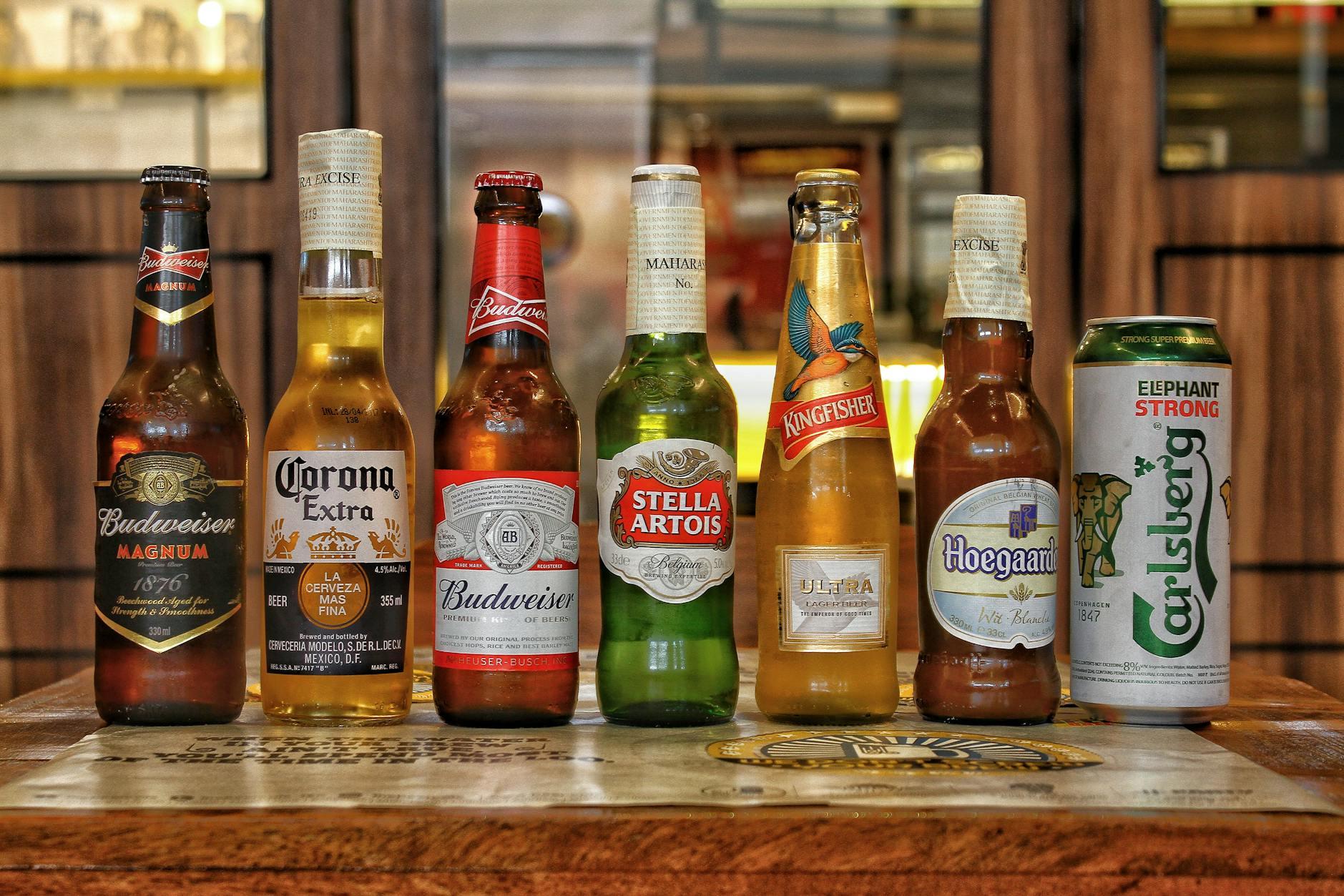
Before opening the bottle: These documents are more important than the wine label.
Last year,a customer excitedly brought back samples of German craft beer,only to have them held at customs for three months—all because they overlooked a crucial detail.Fermented liquor and distilled liquorDifferences in regulatory classification.The essential "four-piece set" for imported beer:
- BusinessLicense(mustincludeliquorsalesoperationitems)
- Alcoholdistributionlicense
- FoodBusinessLicense
- Record-filingofImportedFoodConsignor
Product Selection Pitfall Guide: The Hidden Tariff Trap
For beers with the same 10% malt concentration,different packaging methods may result in.A 15% tax rate differential:
- Cannedbeer:5%tariff+13%VAT
- Glassbottlepackaging:anadditional8%consumptiontax(environmentaltreatmentfeeforpackagingmaterials)islevied.
- Dedicatedkegfordraftbeer:Proofofrecyclingdocumentationmustbeprovided.
Three critical 48-hour periods in the customs clearance process
Based on personal experience with a case of customs clearance delay for Belgian white beer,the following conclusions are drawn:Customs clearance timeline control method:
- 48hoursbeforearrival:Completethepreliminaryreviewoftheelectroniccustomsdeclaration.
- 48hoursafterinspection:SupplementthedefectdescriptionfortheChinesebacklabel.
- Within48hoursafterrelease:Archivethetemperaturerecordsofcoldchaintransportation.
Those Years We Paid Tuition: Special Scenario Handling
Commonly encountered in craft beer:The Three-Link Conundrum:
- MixedFlavorSet:Taxationshallbecalculatedbasedonthehighesttaxrateamongtheindividualitems.
- Limitededitioncomplimentarycup:Declarethecommoditycodeseparately.
- Vintagepaperwinelabel:Provideproofofanti-moldtreatment
Practical Q&A: Top 5 Customer Concerns
- Q:Howtoimportnear-expirybeer?
A: For products with a remaining shelf life of 3 months,it must be noted in the customs declaration remarks; those with over 6 months can proceed with normal customs clearance.
A: It is recommended to require dual safeguards: HACCP certification + a sanitary certificate of origin.
I remember last year when helping a client handle a batch of Dutch Trappist beer,the entire shipment was nearly rejected because the alcohol content was labeled using "ABV" instead of "vol." In this industry,the details are the true moat.When you hold a complete customs clearance dossier in hand and hear the crisp sound of a can opening—that is the most beautiful symphony for a businessperson.
Was this helpful? Give us a like!
Contact our experts for compliance audits, precise quotes, and one-stop customs support.
Recent Comments (0) 0
Leave a Reply