
Navigating Craft Beer Import: Customs & Compliance
or complex compliance issues.
clearance and fund security.
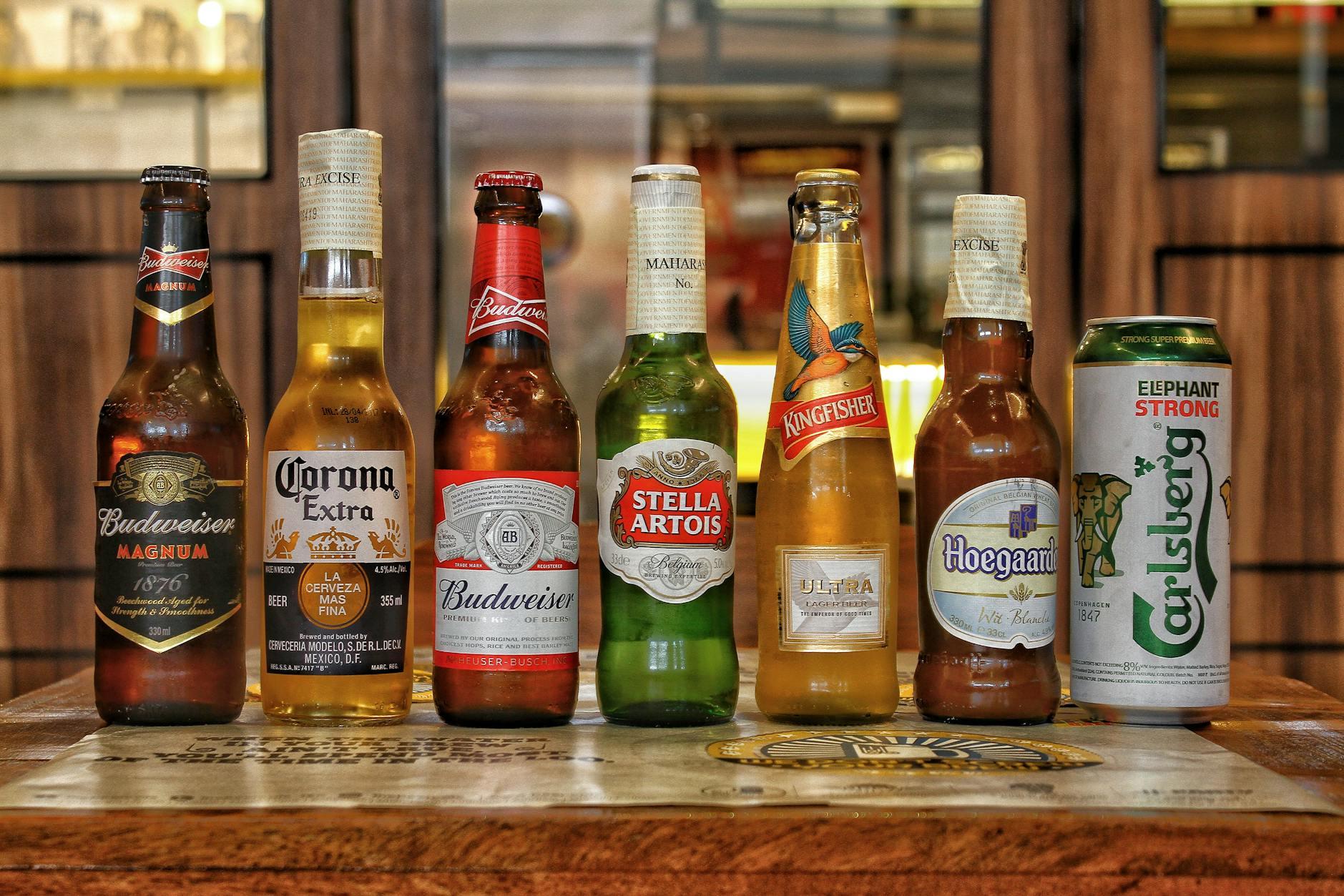
When Craft Beer Meets Customs: The Fantastic Drift of Stout
Three years ago,I handled a shipment of Belgian Trappist Stout for a client who insisted on keeping the "Trappist" label on the bottle.As a result,the shipment was held at customs for 47 days due to incomplete declaration of religious symbols—each day of delay increased the risk of oxidation in the beer.This experience made me deeply realize:Being a craft beer agent isn’t about romance and poetry—it’s about meticulous control over every detail..
Sweet Trap One: The "Dual Nature" of Origin Certification
Stout beer’sBooks often conceal hidden mysteries:
- TheEUA.TRcertificateisonlyapplicabletospecifictariffpreferences,butcraftbeersmostlyadoptautonomoustariffrates.
- TheU.S.CBPForm3229mustbesubmittedsimultaneouslywiththewinery’swastewaterdischargepermit.
- ThecertificationfromtheJapanSakeBrewersAssociationmustincludeanexplanationofthemaltsaccharificationprocess(distinctfromregularbeer).
Last year,a New Zealand customer was missingManual Brewing Process Description,resulting in the entire container of goods being taxed as industrial beer,causing a sharp 23% increase in costs.
Sweet Trap Two: The "Rubik’s Cube" of Tariff Calculation
When using the common 11% VAT + 10% consumption tax as the benchmark,special attention should be paid to:
- Whenthealcoholcontentis≥0.5%and1.2%,itmaytriggerclassificationdisputesassoftdrinks.
- Classificationoftheinfluenceofbarrelmaterialonbarrel-agedstout(oakbarrelsmustbedeclaredseparately).
- Limitededitionbeer’sproofofcollectiblevaluecanbeappliedfortariffreduction.
Sweet Trap Three: The "Invisible Battlefield" of Label Compliance
We once used professional equipment to detect a certain American stout’sThe actual alcohol content is 0.3% higher than the labeled value.To mitigate the risk of entire batch rejection.Label review should focus on:
- ThepermissibleerrorrangeforconversionbetweenChineseandEnglishnutritionfactstables(≤5%).
- Doestheallergenlabelingincludebarleyproducts?
- Labelingmethodofshelflife(productiondate+shelflifevs.expirationdate)
Sweet Trap No.4: The "Flavor Killer" During Transportation
Stout beer is extremely sensitive to transportation conditions:
- Temperaturefluctuationsmustbecontrolledwithin±2℃(±5℃forregularbeer).
- Light-proofcontainersrequireanadditionalshockprooflayer.
- Avoidhigh-temperaturewatersneartheequatorwhennecessary.
In 2025,the new version of the "Agreement on the Transportation of Perishable Goods" requires that craft beer must be transported usingDual Temperature RecorderThis is often overlooked.
Sweet Trap Five: The "Cognitive Gap" of Cultural Differences
A German winery insisted on using Gothic script on its wine labels,only to be mistaken for a hazardous material symbol.Cultural adaptation requires attention to detail:
- Religioussymbolsmustberegisteredinadvance(e.g.monasterycrosses).
- Portraitsofhistoricalfiguresrequireauthorizationdocuments.
- Specialbrewingterminologyrequiresofficialcertifiedtranslation.
Pro tips from seasoned customs clearance veterans
It is recommended to establishTrinity risk control mechanism:
- Preliminaryreviewstage:Obtaintheoriginalproductionrecordsfromthedistillery.
- Beforeshipment:Conductasimulatedcustomsclearancetest.
- Uponarrivalattheport:Preparetwosetsofdeclarationplans,PlanAandPlanB.
I remember one time when we prepared in advanceMalt Roasting Degree Curve Graph,successfully resolved the classification dispute,saving the client 117,000 yuan in late declaration fees.
Craft beer distribution is much like savoring a stout itself—the first sip reveals the richness of chocolate,while a deeper taste uncovers the bitterness of coffee.As you prepare to embark on this flavor journey,don’t forget that the customs tariff book is your tasting notes—every line of annotation could alter the fate of an entire shipment.
Was this helpful? Give us a like!
Contact our experts for compliance audits, precise quotes, and one-stop customs support.
Recent Comments (0) 0
Leave a Reply