
Battery Import Guide: Regulations, Compliance & Risk
or complex compliance issues.
clearance and fund security.
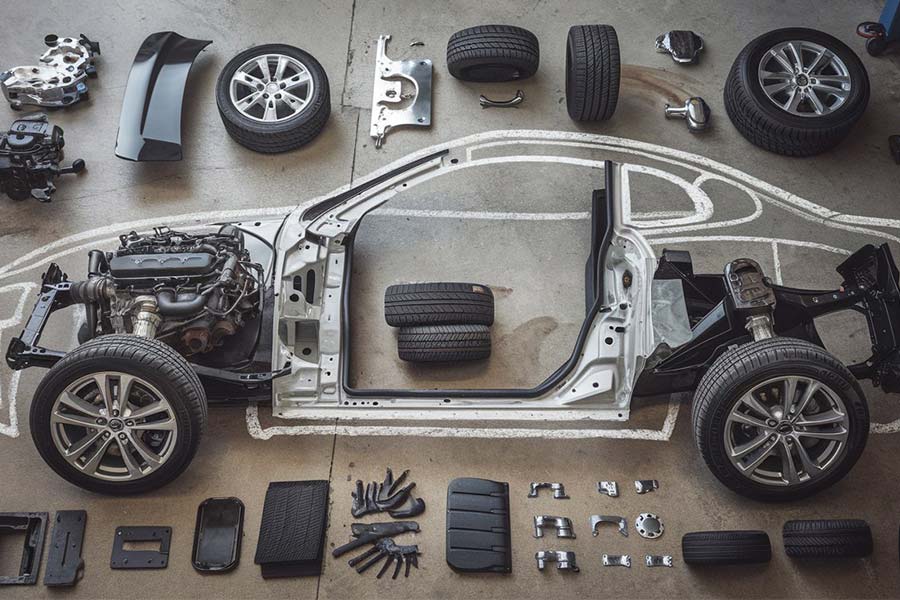
With the continuous expansion of globalThe rapid development of industries has led to a continuous increase in the demand for batteries (storage batteries) as core energy storage equipment in international trade.However,as a hazardous commodity,the import process of batteries involves complex regulations,technical standards,and logistics control.With 20 years of.As a professional institution with extensive service experience,we combine practical cases to provide in-depth analysis of key aspects and risk prevention strategies for battery imports.
I.Current Status and Core Challenges of the Battery Import Industry Output:
1.Global market landscape
In 2023,China’s lithium battery exports exceeded $65 billion,with imports growing by 15% simultaneously.Europe,America,and Southeast Asia emerged as the primary demand markets.However,there are significant variations in battery access standards across different countries:
- EuropeanUnion:MustcomplywithCEcertification,WEEEdirective(recyclinglabel),andRoHSheavymetalrestrictions.
- America:ULcertification,DOTtransportationregulations(UN38.3testreport)
- China:GB38031-2020NationalStandardforPowerBatteries,mandatoryfilingofMSDS(MaterialSafetyDataSheet)
2.Industry Pain Points Analysis
- DeclarationandClassificationRisk:Thetariffdifferencebetweenlead-acidbatteries(HS85071000)andlithium-ionbatteries(HS85076000)reaches8%.
- Transportationcompliancechallenges:Required滿足IMDGCODEClass9DangerousGoodsPackagingRequirements
- Escalationoftechnicalbarriers:ThenewEUBatteryRegulation(EU2023/1542)requiresacarbonfootprintdeclarationandQRcodetraceability.
II.Standardized Operating Guide for the Entire Process of Battery Importation Output:
Phase 1: Preliminary Qualification Preparation
- Importerregistration:Submitthe"ComplianceStatementforEnterprisesHandlingImportedHazardousChemicals"tothecustoms.
- TechnicalDocumentVerification:
UN38.3 Test Report (Mandatory for Lithium Batteries)
Explosion-proof certificate (required for lead-acid batteries)
Chinese GHS label (must be pre-printed on the minimum sales packaging)
Phase Two: Core Customs Clearance Process
1.Precision of declaration elements
- Thedeclaredproductnamemustspecifythebatterytype(e.g."lithium-ionpowerbattery"insteadof"battery").
- Thedeclaredparameterssuchasvoltageandcapacitymustbeconsistentwiththetestreport(error≤±5%).
2.Special requirements for dangerous goods declaration
- Forseatransportation,a"DangerousGoodsTransportIdentificationCertificate"mustbeprovided.
- Thelandtransportmustbeaccompaniedbythe"DangerousGoodsVehicleTransportPermit".
3.Check the technical passport (shall include 20 parameters such as bearing model and motor power)
- On-siteverificationofbatteryinsulationresistancevalue(Standard:≥0.5MΩ)
- VerifytheUNnumberandpackagingcode(e.g.lithiumbatteriesmustuseUN3480+PI965packaging).
Phase 3: Warehouse and Distribution Management
- Dedicatedhazardousmaterialswarehouse:Thewarehousemustbeequippedwithanti-staticfacilities(floorresistancevalue:1×10^6~1×10^9Ω).
- Temperaturecontrol:Thestoragetemperatureforlead-acidbatteriesshouldbemaintainedbetween10-25°C,andopenflamesarestrictlyprohibitedinlithiumbatterystorageareas.
III.Risk Prevention and Cost Optimization Strategies Output:
1.Tariff planning plan
- LeveragingtheRCEPAgreement:Lead-acidbatteriesimportedfromASEANcanenjoyzerotariffs(FORMErequired).Tradedisputesettlementmechanisms
- DisputePreventioninClassification:Pre-classificationisrequiredforhybridvehiclebatteries(HS8507.60)andenergystoragebatteries(HS8507.30).
2.: By integrating the shipping line resources of the West Coast of the US (Los Angeles/Long Beach Port) and the East Coast of the US (New York/Savannah Port),agent services can shorten the transportation cycle by 30% and reduce the loss of LCL space.
- LCLOptimization:The"UNBox-in-Box"SolutionforLithiumBatteriesReducesTransportationCostsby40%.
- Portselection:ThehazardousgoodsyardfeeatShanghaiYangshanPortis15-20%lowerthanthatatNingboPort.
3.Legal Risk Avoidance
- IntellectualPropertyProtection:Verifybatterypatents(e.g.theauthorizationstatusofCATL’spatentEP3264563inEurope).
- AntidumpingEarlyWarning:PayAttentiontotheUSAnti-DumpingInvestigationAgainstChineseLithiumBatteries(A23.6%TariffMayBeImposedin2024)
IV.Practical Case: Review of a German Company’s Power Battery Import Project Output:
Project Background: A certain GermanThe company imported 200 tons of ternary lithium battery packs (worth €3.8 million) for the production of new energy vehicles.
Core issue:
- Theratedenergyoftheundeclaredbatterymodule(actualvalue:95Wh,exceedingtheEUlimitof75Wh)
- Thetransportpackaginglacksananti-tippinglabel.
Solution:
- UrgentapplicationforsupplementarytestingbytheNationalInstituteofMetrologyofChina,reissuanceoftheUN38.3report.
- Activatetheemergencycustomsclearanceplan:TransferthegoodstotheShanghaiWaigaoqiaoFreeTradeZoneforrepackaging.
- Ultimately,itsaved120,000yuanindemurragefeesandavoidedtheriskoftheentirebatchbeingreturned.
V.Industry Outlook: Digital Empowerment of Battery Import Services Output:
1.Blockchain Traceability System: Achieving battery full lifecycle data on-chain through the IBM Hyperledger platform
2.AI intelligent classification system: Enter technical parameters to instantly output HS codes (98.7% accuracy).
3.IoT monitoring: Install temperature and humidity sensors inside the container (real-time alert threshold: automatic alarm triggered when temperature exceeds 50°C).
Conclusion
The import of batteries is not only a technology-intensive business but also a comprehensive test of risk management capabilities.Enterprises need to establish a trinity management system encompassing "technical compliance + logistics assurance + policy foresight." Choosing a professional agency with AEO Advanced Certification and hazardous materials operation qualifications can reduce operational risks by over 30%.For access to the "Power Battery Import Compliance White Paper" or customized solutions,please feel free to contact our expert team.
(The data in this article is sourced from: China’s General Administration of Customs,the International Battery Association,and the United Nations Trade Database)
Author’s Profile
Zhang Weiming,Senior Client Director at an international trade group,specializes in import.With 20 years of service,led the completion of over 600 hazardous materials import projects,holding IATA DG certification and Customs Specialist qualification.
Was this helpful? Give us a like!
Contact our experts for compliance audits, precise quotes, and one-stop customs support.
Recent Comments (0) 0
Leave a Reply