
Microplastics: EU Strategy & Regulations Explained
or complex compliance issues.
clearance and fund security.
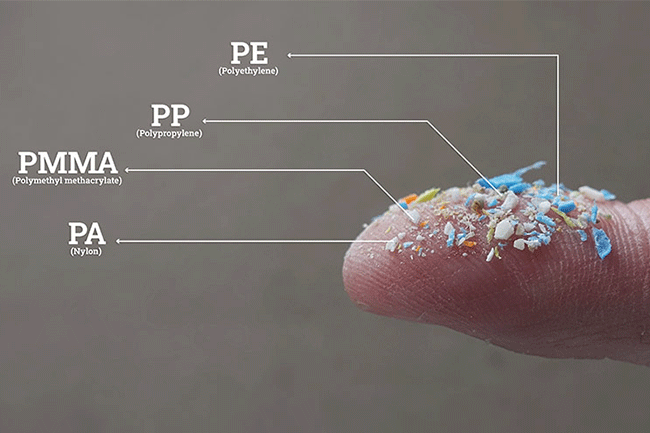
Since 2004,when British marine biologist Professor Richard Thompson from the University of Plymouth first proposed the term "microplastics," these plastic fragments with a diameter of less than 5 millimeters have become a global environmental issue.Due to their resistance to decomposition,microplastics are not only difficult to remove from the environment but also spread worldwide through atmospheric circulation,surface water,ocean currents,and other pathways,reaching even remote areas such as the Arctic and Antarctic.They have caused long-term and profound impacts on ecosystems,ranging from the ingestion by marine animals like seabirds and sea turtles to altering soil properties,and even serving as carriers for pathogens and toxic substances.
I.Sources and Impacts of Microplastics
1.Classification of Microplastics
Microplastics are mainly divided into two categories: primary microplastics and secondary microplastics.Primary microplastics refer to plastic particles that are less than 5 millimeters in size before entering the environment,such as plastic microbeads used in certain industrial applications.Secondary microplastics,on the other hand,refer to small plastic fragments formed when larger plastic products weather and break up in the environment through natural processes.For example,plastic bottles decompose into tiny fragments after long - term exposure to sunlight and rain.
2.Environmental Impact of Microplastics
The environmental impact of microplastics is multi - faceted.They are not only accidentally ingested by marine organisms,affecting the marine ecological balance,but may also be transferred to higher organisms including humans through the food chain.In addition,microplastics scattered in the soil can change the physical and chemical properties of the soil,affecting plant growth.More seriously,due to their large specific surface area,microplastics have become carriers of pathogens and toxic substances,increasing the risk of their spread.
II.EUs Strategic Directions and Progress on Microplastics
1.EUs Policy Response
Facing the risks brought about by microplastic emissions,the European Commission has listed microplastic pollution as an official issue and put forward specific countermeasures in its Plastics Strategy.In the Circular Economy Action Plan in 2020,the EU promised to address the microplastic problem in the environment by restricting the use and emissions of microplastics.In addition,in the Zero Pollution Action Plan in 2021,the EU further proposed a strategic goal of reducing microplastic emissions by 30% by 2030.
2.Classification of Microplastic Management
To achieve this goal,the EU divides microplastics into three categories according to their sources: primary microplastics actively added to products,primary microplastics unintentionally emitted during the production,manufacturing,and transportation processes,and secondary microplastics derived from the physical degradation of ordinary plastics during use and disposal.This classification method helps to formulate more targeted management measures more accurately.
III.EUs Regulatory Laws and Measures
1.Control of Actively Added Microplastics
In terms of controlling actively added microplastics,the EU has restricted the release of such microplastics by amending Annex XVII of the REACH Regulation.This amendment not only restricts the use of microplastics themselves but also includes restrictions on mixtures containing microplastics.To balance industry needs and environmental protection goals,the EU has provided a buffer period for certain industries such as beauty,personal care,etc.and has set strict information notification requirements.
2.Leakage of Microplastics during Use
For microplastics that leak unintentionally during use,the European Commission has proposed a proposal to reduce the emission of plastic particles.This proposal requires relevant enterprises to develop strict operating specifications,train employees,and reduce the leakage of microplastics through mandatory third - party certification and information notification.In addition,the proposal also includes the development of standardized statistical methods and an accountability mechanism.
3.Microplastics Generated from the Physical Degradation of Large - scale Plastic Products
For microplastics generated from the physical degradation of large - scale plastic products in the environment,the EU currently controls them through detailed regulations in various industries.For example,the Single - Use Plastics Directive for single - use plastic products,and the proposal for the Eco - design of Sustainable Products Regulation for paints,synthetic fibers,and construction fabrics.These regulations not only emphasize the wear - resistance,aging - resistance,recyclability,and degradability of products but also require clear labeling on product packaging of the potential environmental pollution they may cause.
The solution to the microplastic problem requires global cooperation and continuous efforts.Only by working together can we effectively reduce the impact of microplastics on the environment and protect our common planet.
Was this helpful? Give us a like!
Contact our experts for compliance audits, precise quotes, and one-stop customs support.
Recent Comments (0) 0
Leave a Reply