
Customer Abandons Cargo? A Practical Guide to Minimize Your Losses
or complex compliance issues.
clearance and fund security.
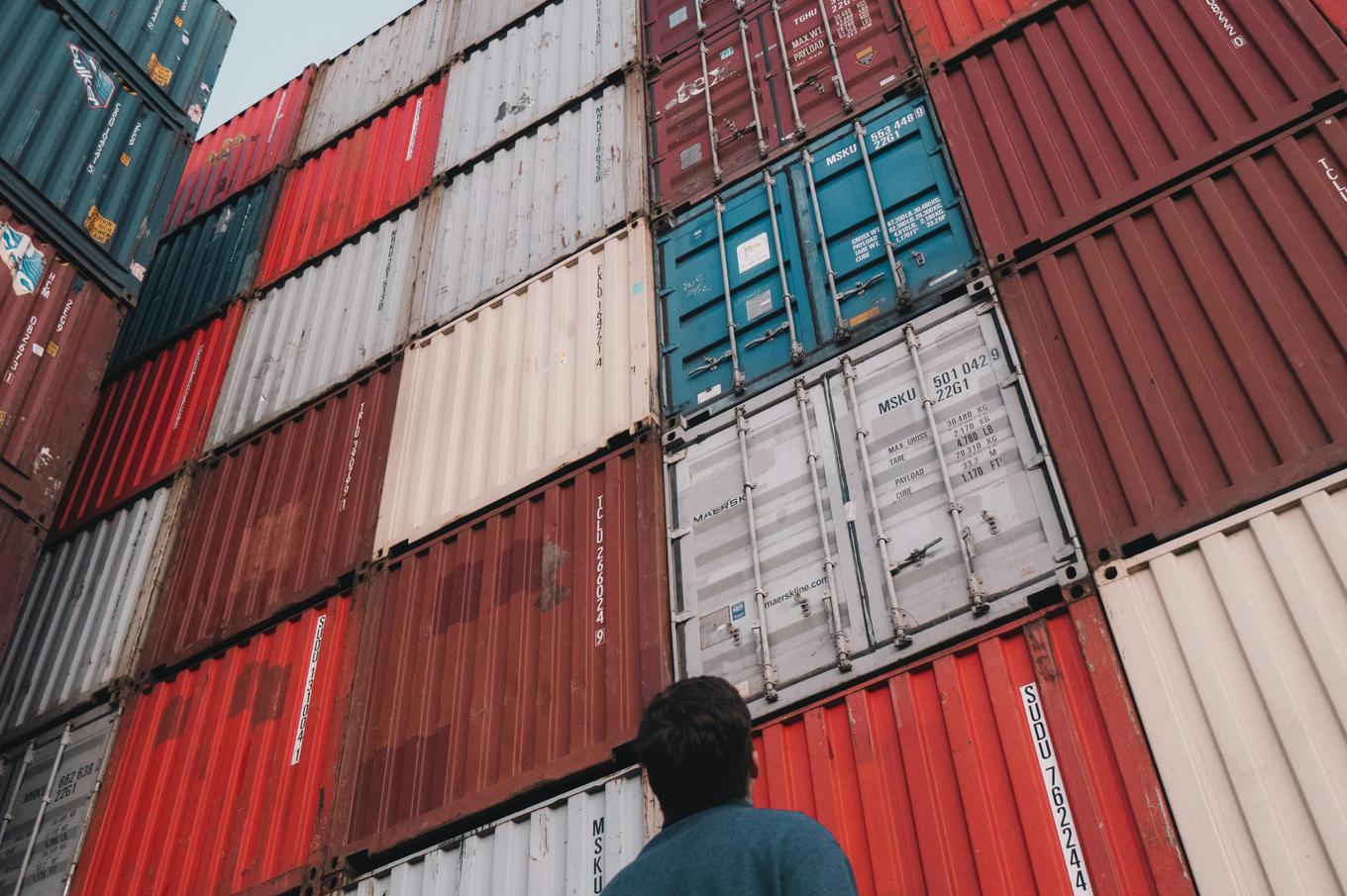
In international trade,it’s always a joyful event when goods successfully arrive at the destination port.However,if foreign customers suddenly refuse to accept the goods or fail to clear customs,the port detention fees will accumulate like a snowball,forcing companies to urgently find solutions.Such situations are not uncommon,especially when customers lack experience or face unexpected changes.Don’t panic!Let’s discuss several practical steps to help companies resolve problems step by step,from contract review to evidence preservation,in order to minimize losses as much as possible.
Review the contract: Identify the allocation of responsibilities
First,let’s start with the contract,which is the "cornerstone" for addressing the problem of delayed shipments.Carefully review the trade terms to see if there are provisions regarding the delivery of goods,customs clearance obligations,cost sharing,and breach of contract liability.If the contract stipulates that the customer is responsible for customs clearance and demurrage fees,the company can use this as a basis for negotiating with the customer and claiming compensation.The contract is a binding agreement between the two parties,and its strong evidentiary value will help you gain more confidence in subsequent communication.
Communicating with the client: Seek written confirmation
If the contract negotiations don’t go well,don’t rush to break off relations.You can directly contact the client and clarify the reasons via email or WhatsApp,reminding them that the storage fees are increasing daily.Set a deadline,such as 24-48 hours,for them to respond with a specific plan.At the same time,require the client to issue a written notice of refusal to accept the goods.This document not only records the facts but also paves the way for the company to resell or return the goods later,avoiding legal disputes.
Evaluate the disposal options: select one of the multiple options as the most optimal solution.
When goods are delayed,time is money.Contact the freight forwarder or carrier immediately to understand the control of the goods—for example,whether the bill of lading is an original or an electronic version—to ensure that the company can still "reclaim" the goods.Then,based on the type of goods,market environment,and local regulations,evaluate several options:
- ResellSelltheitemsatalowpricetolocalbuyerstorecoupsomeofthefunds.
- ReturnthegoodsWecanbringthegoodsbacktoChinaforresale,butweneedtocalculatetheshippingcostsandcustomsdutiescarefully.
- DiscardthegoodsThecostisthelowest,butthelossesarethegreatest.Itshouldonlybeusedasalastresort.
When choosing a solution,weigh the risks and costs and select the one that causes the least loss.
Preserving evidence: Paving the way for a claim
No matter what you do,you must collect all the evidence.Contracts,copy of bills of lading,port arrival notifications,client communication records,demurrage details,and payment receipts—all of these should be archived.In case of arbitration or litigation,these materials will serve as your "protective talisman," helping you prove the client’s breach of contract and claim compensation.
Insurance assistance: Don’t forget about the claims settlement channels
If the company has purchased export credit insurance or other relevant insurance for the goods,report the loss to the insurance company immediately.Handle the goods according to their requirements,and do not reduce the price or waive the creditor’s rights without authorization.In this way,the insurer may compensate for the losses,thereby alleviating the pressure.
Conclusion
Although dealing with delayed cargo can be challenging,enterprises can always find a solution through contract review,client communication,solution evaluation,evidence preservation,and insurance claims.International trade is inherently full of uncertainties,and preparing these steps in advance can help you stay calm.I hope these insights will provide you with some inspiration,allowing you to handle similar situations with greater ease in the future!
Was this helpful? Give us a like!
Contact our experts for compliance audits, precise quotes, and one-stop customs support.
Recent Comments (0) 0
Leave a Reply