
Foreign Entities as Import Agents | Compliance Traps & Risk Control Practical Guide
or complex compliance issues.
clearance and fund security.
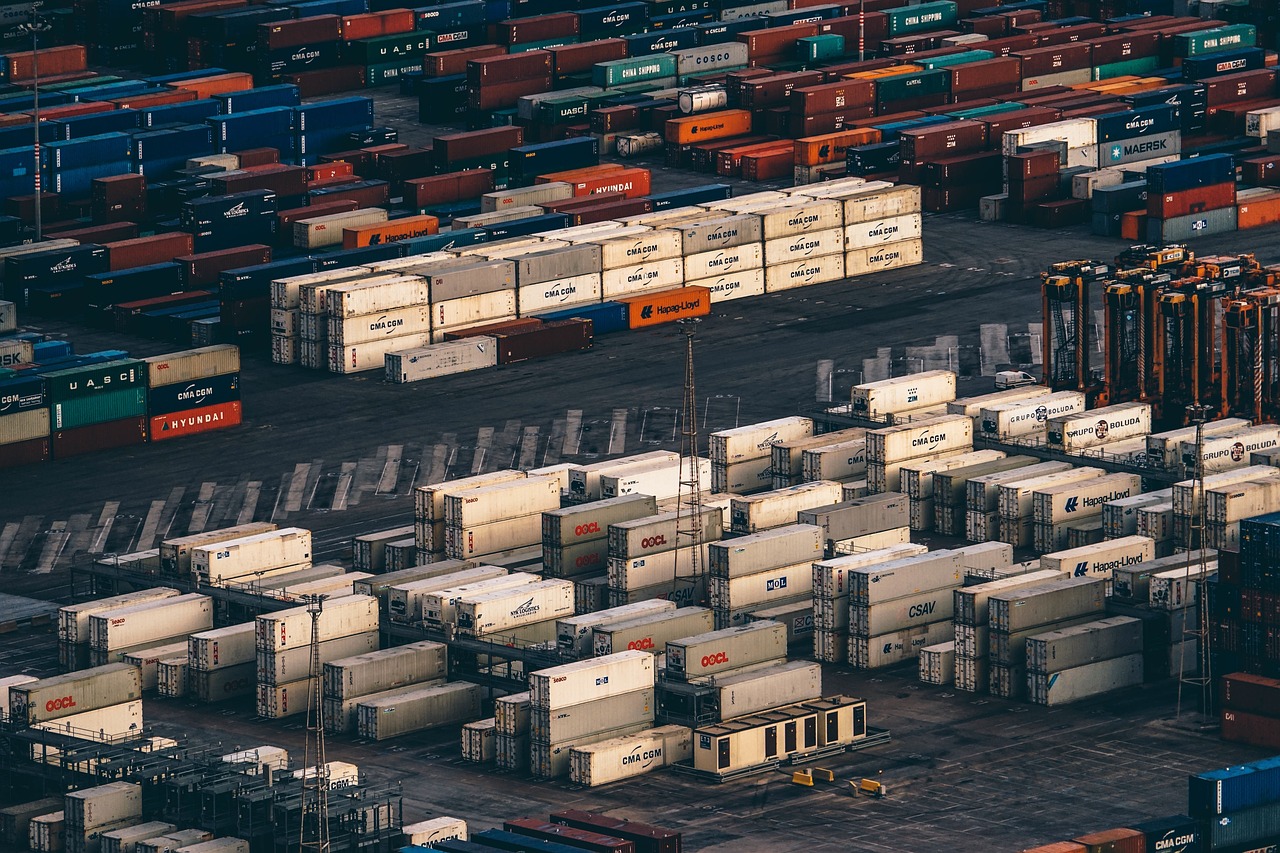
Many exporters believe that as long as they fill in the "Importer" column with the name of their foreign customers,or find a third-party agent to act as the nominal importer,they can completely avoid the customs clearance risks and tax responsibilities in the destination country.This "hands-off" mentality is precisely the reason why 90% of exporters encounter problems in foreign trade.The source of disputes.In the eyes of customs,the Importer of Record (IOR) is responsible for ensuring the compliance of the products and paying all customs duties.However,as the actual supplier,you often bear joint liability due to "ignorance".Once the agent company goes bankrupt or the client refuses to pay the customs duties,the demurrage fees incurred when your goods are held up at the port can easily swallow up all the profits from this business deal.
Core Game: Authority Reconstruction under IOR Identity
When deciding to use a foreign company as aPreviously,we must clearly recognize that this is not just about changing the name for customs declaration,but also about the transfer of legal responsibilities.The Importer of Record (IOR) is the responsible entity in the eyes of customs.We need to compare the two common agency models to understand the underlying costs and risks.
| Key Indicators | Foreign agents/clients acting as IORs | Establishing an overseas entity as an IOR |
|---|---|---|
| Startup cost | Very low (no need to register a company) | High (requires registering a company,renting an office,and tax registration) |
| Tax Compliance | There is a risk of information asymmetry due to the reliance on the agent’s qualifications | Full controllability,with independent declaration and payment |
| Control of goods ownership | Weaker (the legal ownership of the goods belongs to the agent after customs clearance) | Strong (the ownership of the goods is always in their own hands) |
| Fund flow risk | High (requires a trust agent to pay the customs duties on behalf of the seller,and the repayment cycle is uncontrollable) | Low (internal fund transfer,high transparency) |
| Applicable scenarios | Test orders,small-batch deliveries,and the B2B2C model | Long-term stable bulk trade and localization of brands |
Standardized Operating Procedures (SOP) for Establishing an Agency Relationship
If you’re determined to use the foreign agent model,you must establish a rigorous SOP to mitigate risks.The following is a proven operational process based on practical experience:
Step 1: Sign a legally binding POA (Power of Attorney) Output:
Don’t just rely on email confirmations.You must sign a formal "Customs Declaration Power of Attorney".This document needs to clearly define the following:
- Authorizationscope:Itisonlyforthecustomsclearanceofspecificbatchesofgoods,notanindefiniteauthorization.
- CostBearing:Itshouldbeclearwhichpartywillultimatelybearthecostsoftariffs,value-addedtax,fines,etc.(thoughtheyareusuallypaidbytheagent,theactualexpensesareagreeduponbytheexporterorthebuyerthroughacontract).
Step 2: Verify the agent’s Bond (customs deposit) amount Output:
In markets such as the United States,IORs are required to hold Customs Bonds.Many small-scale agents purchase these bonds to save money.Single Entry Bond (Single Import Guarantee)Once the goods are inspected,if the guarantee amount is insufficient to cover the high fines or inspection fees,the customs will detain the goods.It is necessary to require the other party to provide Continuous Bond (Continuous Guarantee) Prove and confirm its coverage amount.
Step 3: “Nominal Consistency” at the Documentation Level Output:
When preparing commercial invoices and packing lists,the following details must be paid attention to:
- Consignee(Recipient):Fillinthenameandaddressoftheforeignagentcompany.
- NotifyParty:Fillintheactualendcustomeroryourownoverseascontactinformationtoensurethatthearrivalnoticecanbedeliveredinatimelymanner.
- Manufacturer/Shipper:Keepitastheactualexporter(you),andensurethattheoriginlabelcomplieswiththeregulationsofthedestinationcountry(forexample,intheUnitedStates,itisnecessarytolabelitas"MadeinChina").
Hidden Minefield: The Overlooked “Joint Liability” Clause
Many experienced traders only focus on the speed of customs clearance,but they ignore the other aspects.Product Liability (Product Liability) The transmission effect.Even if the contract stipulates that "the buyer,as the importer,is responsible for customs clearance",once your products encounter safety accidents in the destination country (such as electronic products catching fire or toys containing excessive chemical substances),the victims’ lawyers will sue every link in the supply chain.
As a supplier,if you underreport the value of your goods to cooperate with an agent and evade customs duties,this constitutes "conspiracy to commit fraud" under the law.In such cases,even if you are merely a foreign shipper,the U.S.Customs and Border Protection (CBP) still has the right to impose fines on you and even add you to the blacklist,permanently banning you from entering the U.S.market.Therefore,Do not participate in false declarations just to meet the agents’ low-price demandsThis is an unbreakable red line.
Immediate Action List
After reading this article,please immediately check the foreign trade orders you are currently processing or planning to process,and take the following actions:
- Reviewthecontractterms:Findalldescriptionsof"ImporterofRecord"andconfirmwhetherthecompensationmechanismforbreachingtariffobligationshasbeenclearlydefined.
- Requestaletterofguarantee:IfyourAmericanclientsoragentsareactingasIORs,sendthemanemailthisafternoontorequestcopiesoftheirCustomsBond,andchecktheexpirationdateandamount.
- Self-auditInvoiceValue:Checktheinvoiceamountsclearedthroughcustomsbyagentsinthepastthreemonthstoseeifthereareanyobvioussuspicionsof"under-declaration".Ifthereare,immediatelycorrectthedeclaredvalueinthenextbatchofgoods.
- UpdateProductLabels:Verifywhethertheoriginlabelsoftheexportedproductscomplywiththelatestregulationsofthedestinationcountry(suchastheFTCLabelingLawintheUnitedStates),toavoidthesituationthattheagentcannotclearcustomsduetolabelingissues,whichmayultimatelyharmyourcompany.
Was this helpful? Give us a like!
Contact our experts for compliance audits, precise quotes, and one-stop customs support.
Recent Comments (0) 0
Leave a Reply