
Optimize Industrial Equipment Import: General Agent Model
or complex compliance issues.
clearance and fund security.
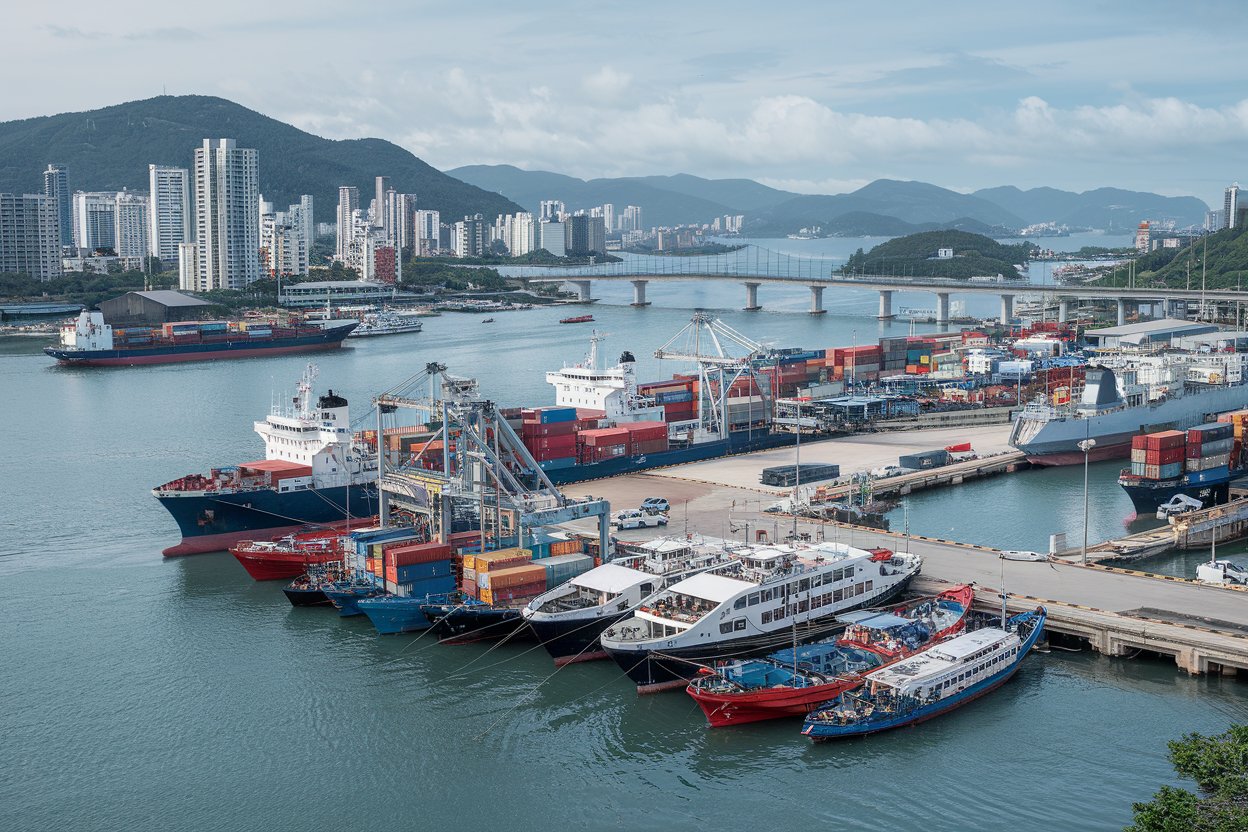
Reconstruction of core value in general agency model
Under the implementation of the new version of the "Measures for the Import Management of Mechanical and Electrical Products" in 2025,enterprises face three new challenges in the introduction of large-scale industrial equipment:Upgraded technical access standards,Complex tariff structures,Strengthened localized supervision.Professional general agencies build risk firewalls through the following service modules:
- Marketaccesspredictionsystem
- DynamicTrackingofContents
- Importlicensepre-reviewservice
- Technicalstandardcomplianceverification
- Customs clearance and logistics optimization solutions
- HScodepre-classificationservice(errorrate≤0.3%)
- Tariffpreferentialpathplanning
- Specialtransportvehicledispatchsystem
Comparative analysis between self-import and agency models
According to the data from the General Administration of Customs for the first quarter of 2025,The proportion of businesses using professional agents has risen to 78%.Core differences between the two models are reflected in:
- Timecostdifferences:Agencymodelreducesaveragecustomsclearancecycleby40%
- Capitaloccupationdifferences:Guaranteefundturnoverefficiencyimproves3-5times
- Riskcoefficientdifferences:Portdetentionratecausedbyclassificationerrorsdecreasesby92%
Five key control points in customs clearance process
Taking a German precision machine tool import project as example,general agency service providers need to control the following core links:
- Contracttermsdesign:FOB/CIFtermselectiondirectlyaffects2-3%oftotalcosts
- Documentpre-reviewsystem:Proformainvoice,Compliancereviewoftechnicalparametersheets
- Inspectioncontingencyplan:SpecialpackagingsolutionsforX-raymachineinspection
- Taxpaymentoptimization:Combinedstrategyofaggregatetaxationandelectronicpayment
- Localizationcoordination:Cross-departmentalcoordinationforequipmentinstallationandcommissioning
Three-dimensional evaluation system for general agent qualifications
Key factors when selecting qualified agents:
- Industryexperiencedimension
- ≥50casesofsimilarequipmentimportexperience
- CustomsAEOcertificationqualification
- Service network dimension
- Localizedteamsatmajorports
- Emergencywarehousingresourcecoveragecapability
- Risk contingency dimensions
- Forcemajeureresponseplan
- Legaldisputehandlingprocedures
Case study insights
An automobile manufacturer imported stamping production lines through a general agent,achieving:
- HScodeconfirmationcompletedwithin3workingdays(averageself-declarationtakes7days)
- Approximately12%tariffreductionthroughRCEPrulesoforiginapplication
- 20%reductioninequipmentinstallationperiodthankstolocalizedservicenetwork
Comparison with a self-import case: Incorrect classification resulted in 1.2 million RMB port demurrage fees and 45-day project delay.
Prediction of Policy Trends in 2025
With the formulation of Smart Equipment Import Supervision Regulations,enterprises should focus on:
- Datasecurityreviewincorporatedintoimportlicensingprocess
- Gradedmanagementstandardsforsecond-handequipmentmarketaccess
- Dynamicadjustmentstoregionaltariffpreferentialpolicies
Was this helpful? Give us a like!
Contact our experts for compliance audits, precise quotes, and one-stop customs support.
Recent Comments (0) 0
Leave a Reply